
Vandaag of morgen in huis

Kwaliteit gegarandeerd

Welkomstaanbiedingen ontgrendelen: GRATIS bezorging | Tot 80% korting | Gratis 30 dagen JoyPlus-proefperiode
Download de app
When you’re looking to buy oatmeal online, you’ll quickly come across dozens of varieties: fine oatmeal, wholegrain breakfast cereals, organic oat flakes, instant sachets and protein-rich blends. The packaging often highlights convenience or nutritional claims, but that doesn’t always tell the full story. With a few reliable checks, you can avoid paying for sugar, unnecessary additives or a product that doesn’t suit your household.
A product with no added sugars can still contain naturally occurring sugars. So always check the ingredients list and the nutritional information. For example, Quaker Oatmeal 600 g states no added sugars and, according to the product information, contains 1.1 grams of sugar per 100 grams. Quaker Cinnamon Oatmeal, on the other hand, lists sugar as an ingredient and contains 19 grams of sugar per 100 grams.
Granola can also be relatively high in sugar due to dried fruit or other ingredients. Bio+ B+ Granola Whole Wheat, for instance, contains 20.5 grams of sugar per 100 grams. That doesn’t automatically make it unsuitable, but it’s an important factor if you’re specifically looking for oatmeal with no added sugars.
A 600-gram pack might seem good value, but also look at the number of portions and the recommended serving size. According to the product information, Quaker Oatmeal 600 g provides 15 portions. Brinta Oatmeal 450 g states 11 portions. Instant products with individual sachets are handy for on the go, but they can work out more expensive per portion than a standard pack of oatmeal.
So compare the price per 100 grams, not just the price of the pack.
A product may contain extra protein, but it could also include allergens or other ingredients you’re not after. According to the label, Quaker Oats Express Protein consists of 85% wholegrain oatmeal and 15% soya protein. That might suit an active lifestyle, but not someone who avoids soya.
With organic oatmeal, check the certification mark and the ingredients list. Zonnatura Organic Whole Wheat Oatmeal carries a European organic certification and, according to the product information, contains 100% fine wholegrain oat flakes from organic farming. Always check the packaging on delivery for the current certification details.
For standard oatmeal, a short ingredients list is practical. Brinta Oatmeal 450 g states 100% oat flakes. Quaker Oatmeal 375 g states 100% wholegrain oats. These products are easy to combine with milk, yoghurt, fruit or nuts.
With breakfast cereals that contain multiple grains or flavourings, you need to look more closely. Huiji 7 Black Series Oat Flakes contains, among other things, oats, black rice, black wheat, chia seeds, mulberry, black beans, black sesame seeds and black goji berries. This is a blended product, not standard oatmeal. It could be interesting if you’re looking for variety, but always check the allergens.
Compare nutritional values per 100 grams, because serving sizes vary between brands. Some values from the product information:
In the last product, the higher protein content comes from the addition of soya protein. So don’t just look at one nutritional value; consider the whole picture of ingredients, allergens and when you plan to eat it.
Fine oat flakes usually soften more quickly than coarse flakes. Brinta Oatmeal states that the extra-fine flakes can be prepared in a few minutes with water or milk. According to the product information, Quaker Cinnamon Oatmeal is ready in about 2 minutes in the microwave or a pan.
Instant products like the Huiji 7 White Series are handy on busy mornings. The instructions state around 200 millilitres of hot water or milk and a resting time of 2 to 3 minutes. Do bear in mind the texture: fine or instant oatmeal becomes softer and smoother than traditional coarse flakes.
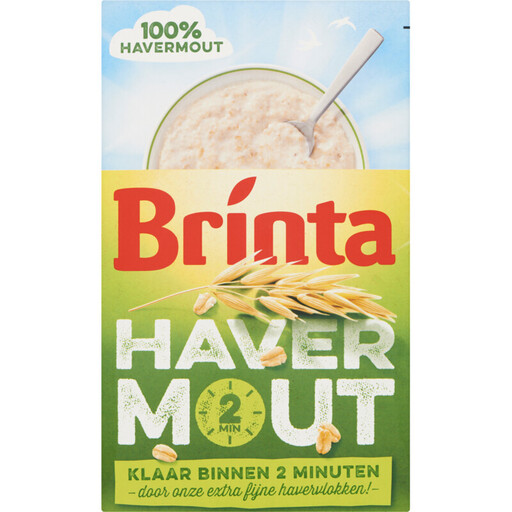
Why this fits: A straightforward choice if you want to make a simple bowl of oatmeal without a long ingredients list. The fine flakes are ideal for a quick breakfast on school or work days.
The ingredients list states 100% oat flakes and, according to the product information, no added flavourings or colourings.
9.7 grams of fibre and 13 grams of protein per 100 grams; 450 g pack with 11 stated portions.
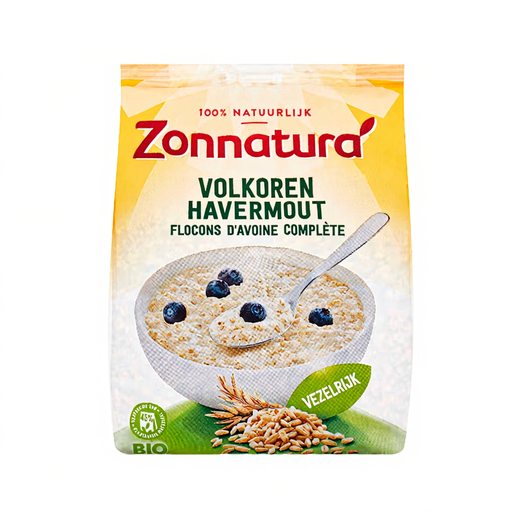
Why this fits: Designed for shoppers who want to include organic wholegrain oatmeal with a simple composition in their regular breakfast routine.
Check the organic certification mark and the current packaging; the product information states a European organic certification.
11 grams of fibre per 100 grams and fine wholegrain oat flakes from organic farming, according to the label.
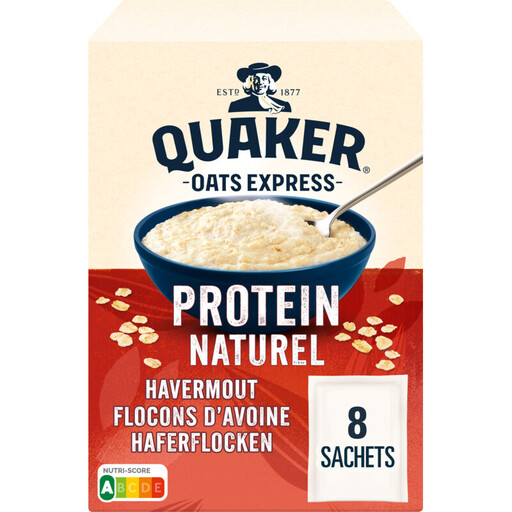
Why this fits: Ideal if you’re after a quick breakfast with a higher protein content. According to the product information, the portions are ready in around 2 minutes.
The addition of soya protein is clearly stated. This prevents confusion if you’re specifically looking for pure oat flakes.
22 grams of protein, 7.2 grams of fibre and 1.2 grams of sugar per 100 grams, according to the product information.
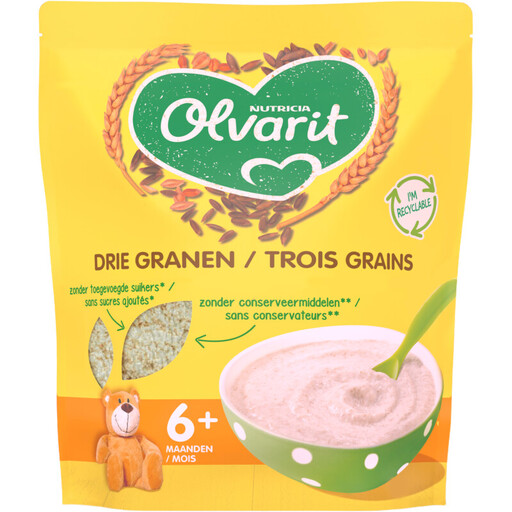
Why this fits: Intended for young children from 6 months, according to the product name and product information. An option for parents seeking age-appropriate breakfast cereals.
Check the age indication, preparation instructions and allergens. The product contains, among other things, wheat, rye, oats, soya, milk and mustard.
According to the product information, it contains no added sugars and is made up of 99.9% grains.
Browse our current selection of fibre-rich meal products and compare oatmeal, breakfast cereals and quick breakfast options by ingredients, weight and nutritional values.
For classic porridge, pure fine or wholegrain oat flakes are practical. According to the product information, Brinta Oatmeal and Quaker Oatmeal contain only oats as the main ingredient and can be prepared with water or milk. Choose fine flakes when speed and a soft texture are important.
Not always. Instant oatmeal offers convenience and a fixed portion size, but compare the price per 100 grams. A larger pack of standard oatmeal can be more economical for families who eat porridge daily. Also check whether instant varieties contain sugar, milk powder, soya or flavourings.
Look at the age indication, preparation method and allergens. Products for young children are not automatically suitable for every age or situation. Follow the instructions on the packaging and always check the current ingredients list, warnings and best-before date on delivery.
