
Vandaag of morgen in huis

Kwaliteit gegarandeerd

Welkomstaanbiedingen ontgrendelen: GRATIS bezorging | Tot 80% korting | Gratis 30 dagen JoyPlus-proefperiode
Download de app
Anyone looking to buy oatmeal will quickly come across terms such as organic, whole grain, high-fibre, gluten-free and instant. These terms do not always tell you the same thing about a product. A bag covered in appealing claims may contain numerous added ingredients, while a simple pack containing only oats leaves more room for your own toppings.
With this practical guide, you can compare ingredients, nutritional values, allergens, preparation methods and packaging. This makes it easier to find a suitable base for an oatmeal breakfast, porridge or a quick bowl with yoghurt.
Oats are naturally free from wheat, but they can come into contact with gluten-containing grains during cultivation, transport or processing. Always check more than just the front of the pack: review the allergen information and any relevant certification as well.
The product information for Leev Dutch Oatmeal describes it as organic gluten-free oatmeal. However, the same information lists “contains: gluten” under allergens. This is a reason to carefully check the current packaging and product page before purchasing, particularly if you have coeliac disease or a severe sensitivity. Do not rely on a single marketing claim.
A product may contain no added sugar and still taste sweet because of syrups, dried fruit or other carbohydrate-rich ingredients. Check the complete ingredients list and the nutritional information per 100 grams.
Granola often also contains seeds, nuts and oil. These ingredients can create a pleasantly crunchy texture, but they may also result in more fat and energy per 100 grams than plain oatmeal. For example, Holie's Granola Glutenfree Peanut Chocolate lists 22 grams of fat, 4 grams of sugar and 14 grams of fibre per 100 grams. Combined with yoghurt or fruit, it works well as a topping, but portion size remains important.
Some instant packs weighing 838 grams contain 700 grams of breakfast powder and 138 grams of separate glucose sachets. This is stated on the packaging, but it can distort comparisons based on price per kilogram.
Therefore, check:
Ingredients are listed in descending order by weight. If oats appear first and the product consists mainly of whole oats, you have a clearer base for whole-grain oatmeal. In blended products, the proportion of oats may be lower.
Examples from the product information:
“Whole grain” refers to the use of the complete grain, but it does not automatically mean that a product is free from sugar, nuts or milk ingredients.
Use the nutrition table to compare products on a like-for-like basis. The figures below come from the supplied product information:
These figures do not automatically make a product healthy oatmeal. Consider your entire breakfast, portion size and toppings. A bowl topped with plenty of nut butter, chocolate and syrup has a very different nutritional profile from the same oatmeal served with fruit and yoghurt.
For a relaxed bowl of porridge in the morning, fine or regular rolled oats are suitable. Instant oatmeal is more convenient at the office, on the go or whenever you need breakfast in a hurry.
Pay attention to the preparation instructions:
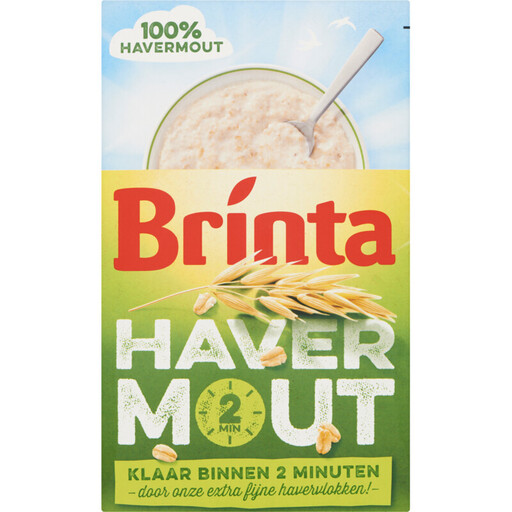
Why This Fits Their Persona: A straightforward choice for anyone who wants to start making oatmeal porridge without navigating a complicated ingredient list.
The ingredients list states 100% rolled oats, so there is no hidden creamer or flavour mix to factor in.
100% rolled oats; according to the product information, 9.7 grams of fibre and 13 grams of protein per 100 grams.
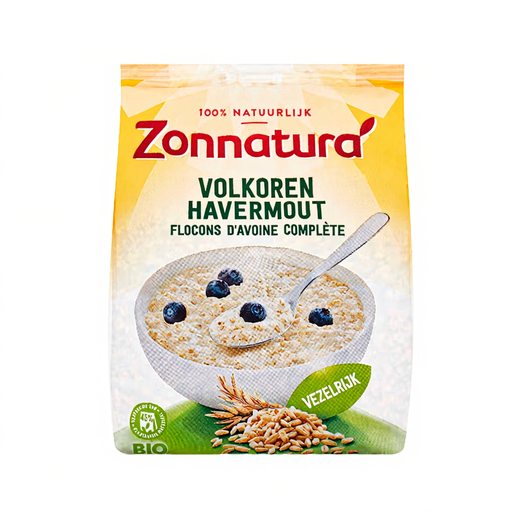
Why This Fits Their Persona: Suits consumers looking for an organic breakfast staple to pair with milk, yoghurt or a plant-based drink.
The product information states that it is organically sourced and lists whole-grain rolled oats as the ingredient; check the organic certification mark on the current packaging.
11 grams of fibre per 100 grams; 500-gram pack; EU organic certification mentioned in the product information.

Why This Fits Their Persona: Convenient when one household wants the flexibility to mix, soak or briefly cook its oats.
The preparation methods are clearly stated. However, note that the white barley included in the product contains gluten before choosing this as gluten-free oatmeal.
420-gram pack; 12 grams of protein per 100 grams; can be mixed directly or cooked for 3 to 5 minutes.
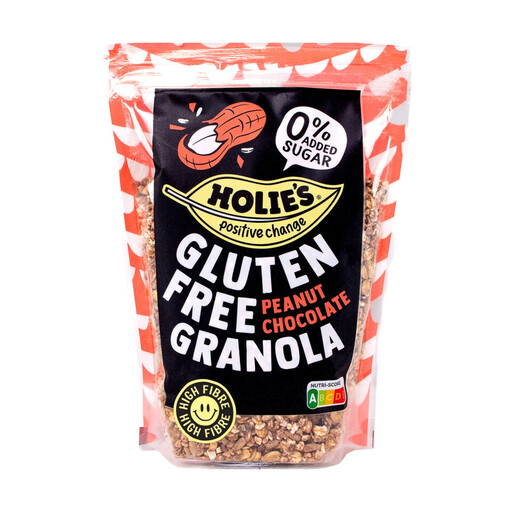
Why This Fits Their Persona: An appealing option for anyone who wants to add oats, peanuts and cocoa as a crunchy topping to yoghurt or quark.
The product information states 0% added sugar, but also shows that the product contains peanuts and may contain traces of other nuts.
14 grams of fibre and 15 grams of protein per 100 grams; gluten-free whole-grain oats according to the product information.
For a broader selection, you can also explore organic oatmeal, whole-grain oatmeal, gluten-free oatmeal, instant oatmeal, rolled oats, granola and high-fibre breakfast cereals. For every product, check the current ingredients, allergen information and nutritional values. Product details and packaging may change.
Browse a current selection of breakfast cereals and compare ingredients, preparation methods and pack sizes before ordering.
Instant oatmeal or fine rolled oats are practical when you are short on time. However, check whether the product contains added sugar, creamer or milk powder. Regular rolled oats may require a few minutes of cooking, but they give you greater control over the ingredients.
Check the date on the packaging and store oatmeal in a cool, dry place in a tightly sealed container. Once opened, moisture and odours can affect its quality. Do not use a product if the packaging is damaged or it smells unusual.
No. Choose only a product with a clear gluten-free designation and check the allergen information. If the information is contradictory, as with the supplied Leev product details, it is advisable to consult the current packaging or contact the manufacturer before consuming the product.
