
Vandaag of morgen in huis

Kwaliteit gegarandeerd

Welkomstaanbiedingen ontgrendelen: GRATIS bezorging | Tot 80% korting | Gratis 30 dagen JoyPlus-proefperiode
Download de app
If you’re looking to buy nuts and snacks, you’ll soon come across lots of packaging with terms such as “natural”, “protein”, “organic” or “no added ingredients”. On their own, these words tell you little about what’s in the product, the portion size or whether it’s right for you. A snack for the journey also needs to be different from a stock-up for home or the office.
Use this practical guide to focus on information you can check: ingredients, allergens, nutritional values, packaging and convenience. That way, you can compare healthy snacks, nut mixes, dried fruit and sweet or high-protein products without relying on marketing claims alone.
Nuts naturally contain fats, which means they’re relatively high in energy per 100g. That’s not necessarily a problem, but portion size matters. Dried fruit also often contains concentrated sugars. For example, the g'woon Cashew Nut Cranberry Mix is made up of 50% cashew nuts and 50% sweetened dried cranberries. The product information lists 32.5g of sugar per 100g.
So don’t just look at the words on the front of the pack. Check the nutrition table per 100g and per portion too.
A protein cookie or bar can be handy after exercise or on the go, but it may also contain sugar, fat and sweeteners. According to the product information, the Applied Nutrition Critical Cookie contains 17g of protein per 73g cookie, as well as 329 kcal, 21g of sugar and 15g of fat per cookie.
Protein content is just one point of comparison. Check the portion size, allergens and ingredients list too.
Product pages may highlight the absence of certain ingredients. Always check the full packaging. For example, the product information for J.ZAO dried blueberries lists blueberries, sugar and sunflower oil as ingredients. So don’t confuse the claim “no-additive” with “no sugar” or “no other ingredients”.
When buying imported products, including those from Turkey and Asia, it’s especially important to read the product information in Dutch, along with the allergen details and storage instructions.
Start by choosing based on what you do and don’t want to eat. For nuts, look out for specific allergens such as cashew, walnut, almond, hazelnut, pistachio and peanut. A product may also contain traces of other nuts, gluten, soya or sesame.
Examples:
If you have an allergy, always follow the product packaging. Recipes and warnings can change.
Comparing products per 100g is useful, but not always practical. You’re unlikely to eat a 200g bag all at once. So check the pack size and whether it can be divided into portions:
If you’re looking to cut down on salt, compare unsalted nuts with salted varieties. If you’re after a sweet snack, compare the sugar content with the portion size.
Nuts and dried fruit can lose quality when exposed to moisture, heat and air. Once opened, keep packs tightly sealed in a cool, dry place, unless the label says otherwise. According to the product information for J.ZAO Dried Blueberries, once opened the product should be sealed, refrigerated and eaten soon.
Individually wrapped products are practical as a snack for the go. A larger bag may be better value for home, as long as you portion it out yourself. For snacks with a best-before date, always check the packaging; dates may vary between batches.

Why it suits this profile: A straightforward choice if you’d like to try unsalted cashew nuts without a mix of different flavours or ingredients.
The ingredients list is short: according to the product information, it contains cashew nuts. The product name doesn’t mention added salt.
200g pack; 18.67g of protein per 100g; unsalted according to the product name.

Why it suits this profile: A good fit if you want a mix of different nuts and dried fruit in set portions for work, travel or home.
The bag is divided into five 23g portions, so you don’t have to guess how much you’re eating from a large mix.
Walnuts make up 33% of the mix; five individual packs; ready to eat.
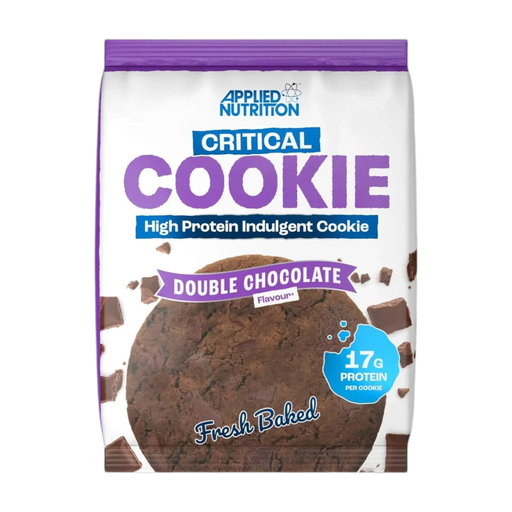
Why it suits this profile: A practical choice for adults looking for an individually wrapped protein cookie to enjoy after exercise, at the office or on the go.
Nutritional values are listed per 100g and per cookie, so you can see that one portion weighs 73g and contains 17g of protein, but also 329 kcal.
12 individually wrapped cookies; 17g of protein per cookie; according to the product information, no artificial sweeteners or sugar alcohols.
We’ve put together a full, up-to-date list of products that meet these strict selection criteria and the applicable European safety regulations.
Choose a product with a clear portion size and sturdy packaging. Individual bags of nut mix, an organic nut bar or an individually wrapped protein cookie are all practical options. Just remember to check the sugar, salt and allergens. A portion of ChaCha Daily Nuts, for example, weighs 23g, while a protein cookie weighs 73g.
It depends on your taste, diet and preferred portion size. Unsalted cashew nuts have a short ingredients list. Pistachios may be roasted and salted; according to the product information, Be&Cheery contains 1.5g of salt per 100g. So always compare the variety, not just the name of the nut.
Once opened, keep products tightly sealed in a cool, dry place, away from direct sunlight and moisture. For dried fruit, follow the specific instructions on the label. After opening, check the smell, taste and texture too. Use the shelf-life information on the packaging as your guide.
