
Vandaag of morgen in huis

Kwaliteit gegarandeerd

Welkomstaanbiedingen ontgrendelen: GRATIS bezorging | Tot 80% korting | Gratis 30 dagen JoyPlus-proefperiode
Download de app
When you buy nuts and seeds online, you will quickly come across dozens of packs with similar photos and marketing copy. Yet products can vary considerably in ingredients, pack size, processing and shelf life. A large bag is not automatically better value, and words such as “premium” or “natural” mean little without clear product specifications.
Pay particular attention to these three common pitfalls:
Start by looking at the main ingredient. With a simple pack, you might expect to see “100% pumpkin seeds” or “100% sunflower seeds”. Oil and salt may have been added to roasted varieties. For example, some roasted peanuts contain peanuts, palm oil and salt, while sugar-coated peanuts may also contain sugar syrup, honey and colourings.
With organic seeds, it is important to check that the packaging actually states “of organic origin” and that the required organic labels appear on the label. A general reference to something being natural or pure is not a substitute for an official product declaration.
A 25- to 30-gram serving may seem small, but nuts and seeds often provide a lot of energy per 100 grams. Use the table on the label to compare varieties fairly.
Pay particular attention to:
Nutritional values are product information, not a medical assessment. Make your choice based on your own diet and the information on the current packaging.
A 500-gram or 1-kilogram bag suits a household that regularly uses nuts in granola, baking, salads or Asian dishes. Smaller packs are more practical for eating on the go or during a film night.
Always check:
If you are unsure about damaged packaging, smell or flavour, it is better not to use the product.
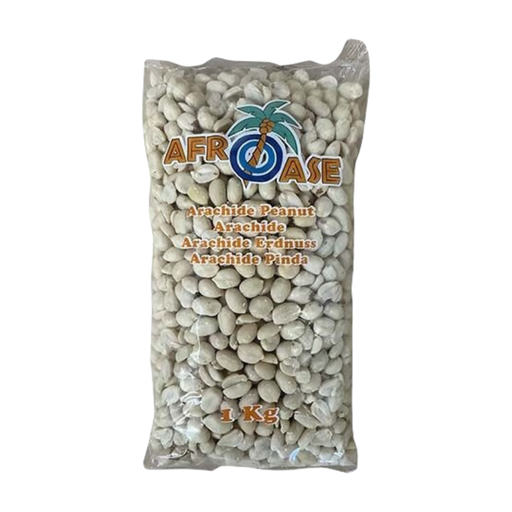
Why it suits this profile: A large pack for snacking at home, making your own peanut mixes or using in dishes. The product information lists raw, roasted and sugared varieties, so check which version you have selected.
The packaging gives different shelf-life indications and storage advice for each variety. This allows you to match your choice to how you intend to use and store it.
1 kg contents; a choice of raw, roasted or sugared peanuts according to the product description.
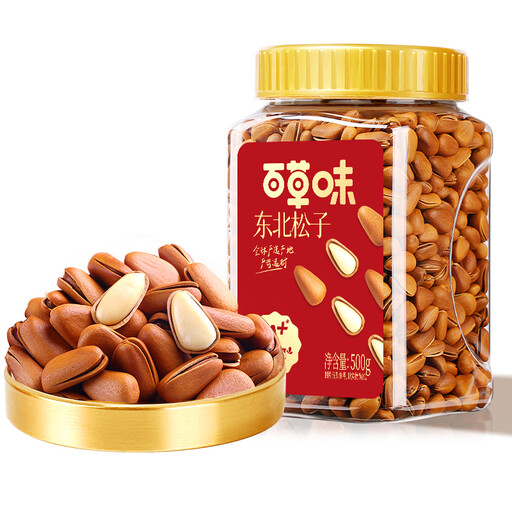
Why it suits this profile: For anyone looking for pine nuts for pesto, salads, baking, Asian dishes or eating straight from the pack.
The ingredients list states that the product contains at least 98% pine nuts. However, check the current packaging for oil, allergens and shelf life.
500 g contents; at least 98% pine nuts; lightly roasted with palm oil according to the product description.
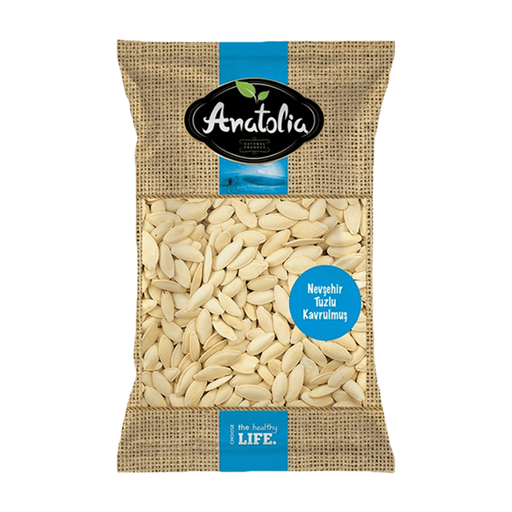
Why it suits this profile: A Turkish snack variety for anyone who wants to serve roasted pumpkin seeds to guests or add them to salads, soups and breakfast.
The salt content is clearly stated: 3.5 g per 100 g. This prevents the general claim of a “healthy snack” from overshadowing the actual ingredients.
340 g contents; roasted; ingredients: pumpkin seeds, salt and corn starch.
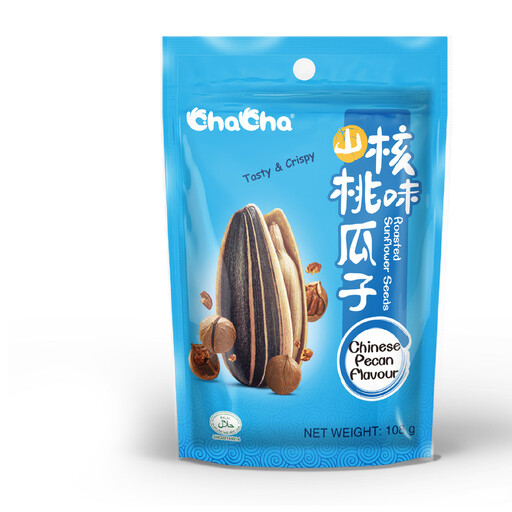
Why it suits this profile: A compact Asian snack for eating on the go, enjoying during a film night or serving alongside other flavours.
The flavour is not presented as plain: the ingredients include sugar, salt, spices, pecan and sweeteners. Allergen information is also provided.
108 g individually packed; 92.58% sunflower seeds according to the product information; ready to eat straight away.
For a Turkish selection, you could also consider Anatolia roasted hazelnuts 500 g, Anatolia Ceviz Premium walnuts 350 g and Osmanli black cumin, Corekotu 280 g. If you are mainly looking for organic seeds, you will find varieties containing organic sunflower seeds and pumpkin seeds from Bio+.
For Asian snacks, there are also salted peanuts with Sichuan pepper, caramel sunflower seeds, tea-roasted pumpkin seeds and varieties with pecan or hickory nut, in addition to plain sunflower seeds. For these products, check the allergens, added sugar, salt and any flavour enhancers particularly carefully.
We have put together a complete, up-to-date list of products that fully meet these strict selection criteria and the applicable European safety regulations.
Store them according to the label in a cool, dry and dark place. Seal the packaging tightly to limit moisture and loss of flavour. With larger packs, an airtight storage container can be useful. If in doubt, check the product for any unusual smell, flavour or texture.
That depends on how you plan to use them. Unsalted peanuts, walnuts, hazelnuts and seeds give you more control over the total amount of salt in your diet. Salted nuts can be suitable for drinks or snacking, but compare the salt content per 100 grams before ordering.
Plain pumpkin seeds, sunflower seeds, walnuts and pine nuts are easy to combine with yoghurt, porridge and salads. Roasted varieties add extra crunch. For a distinctive flavour, you can use black cumin, but first check that its aromatic taste works well with the dish.
