
Vandaag of morgen in huis

Kwaliteit gegarandeerd

Welkomstaanbiedingen ontgrendelen: GRATIS bezorging | Tot 80% korting | Gratis 30 dagen JoyPlus-proefperiode
Download de app
Anyone looking to buy nuts and seeds online will quickly come across dozens of varieties: from unsalted nuts and roasted peanuts to Chinese snacks flavoured with tea, caramel or chilli. The differences are not limited to taste. The ingredients, serving size, packaging and shelf life also determine whether a purchase suits your needs.
A 500-gram or 1-kilogram bag can be useful for a household, office or party. However, if you only snack occasionally, the contents may lose their flavour and crunchy texture more quickly once the packaging has been opened. Check how the bag should be stored and whether it can be resealed.
Roasted peanuts may be plain, but they can also contain oil, salt, sugar or a flavour coating. Always check the ingredients list. According to the product information, g’woon Salted Peanuts consist of 99% peanuts, sunflower oil and 0.7% salt. Seasoned varieties may have a considerably longer ingredients list.
Caramel, coconut, tea and spicy flavours are often created using sugar, sweeteners, flavourings or flavour enhancers. This does not automatically make a product unsuitable, but it is important to match your choice to your preferences. If you are mainly looking for a neutral base for salads, desserts or baking, unsalted nuts or plain seeds are usually the better option.
First, check which main ingredient is listed first. In a bag of peanuts, this should generally be peanuts; for cashews or pistachios, it should be clear how much of that nut the product contains. Also look for the EU allergen declaration. Peanuts, cashews, macadamia nuts and pine nuts are among the allergens that must be clearly identified on the label.
Some products also contain wheat or gluten, soya, milk or mustard. This applies, for example, to certain coated peanuts. If a product description says “without artificial colourings”, do not automatically assume that it is unsweetened or unsalted. Check the full packaging.
Compare nutritional values per 100 grams, rather than per serving alone. This makes products in different pack sizes easier to compare. Across the range, the values vary:
These figures come from the available product information. Always check the label when your order arrives, as recipes or packaging may change.
A smaller 100- to 200-gram bag is practical for taking with you, keeping in a lunchbox or enjoying during a film night. For drinks and nibbles, parties or baking supplies, 500 grams of nuts is often more convenient. Resealable packaging helps keep moisture out, but always seal the bag securely after opening.
Store nuts and seeds according to the instructions on the packaging: usually somewhere cool and dry, away from direct sunlight. You can also transfer an opened product to a tightly sealed storage container. Pay attention to the stated best-before date and do not use damaged packaging.
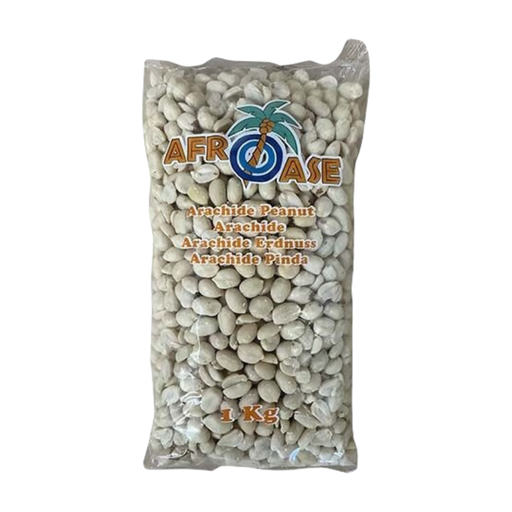
Why it suits this profile: A large quantity for daily snacking, office supplies or preparing several dishes. The product information mentions varieties such as raw shelled, roasted and sugared peanuts.
The different varieties make it possible to match the ingredients and flavour to your needs. Check which variety you are choosing before buying.
1 kg contents; suitable for snacking, cooking and baking; a choice of several preparation methods according to the product description.
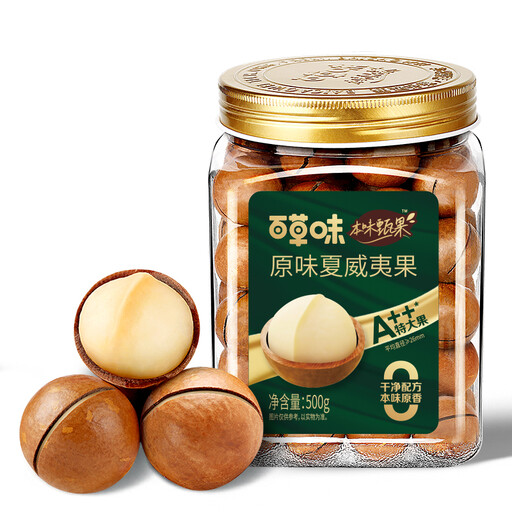
Why it suits this profile: For anyone looking for a large bag with a simple ingredients list to serve, bake with or add to desserts and salads.
The ingredients list states 100% macadamia nuts, with no added salt, sugar or seasoning. This keeps the choice straightforward.
500 g contents; 100% macadamia nuts according to the product information; suitable as a snack and ingredient.
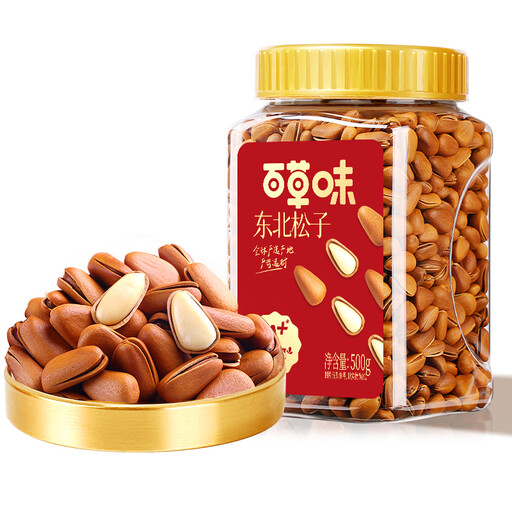
Why it suits this profile: A generous supply for pesto, salads, Asian dishes, baking recipes and regular use in the kitchen.
The product information states that it contains at least 98% pine nuts. However, check the shelf life and seal the packaging carefully after opening.
500 g contents; at least 98% pine nuts according to the product description; suitable for cold and hot dishes.
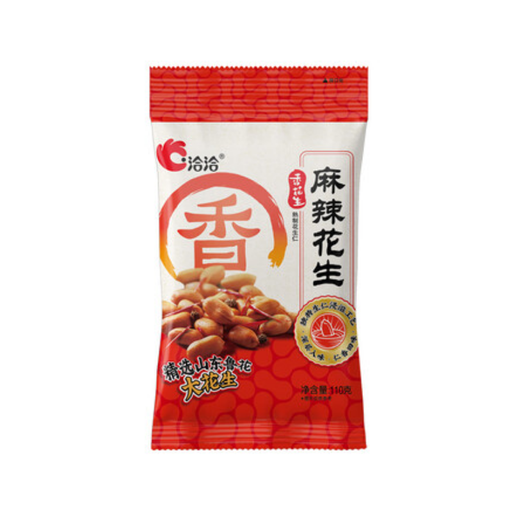
Why it suits this profile: A compact portion with chilli and Sichuan pepper for anyone looking for bold flavours with a drink or at a social gathering.
The flavour and ingredients are clearly described. The bag lists peanuts and soya as allergens and, according to the product information, contains 1.4 grams of salt per 100 grams.
110 g pack; chilli and Sichuan pepper; ready to serve as a snack at drinks parties and celebrations.
We have put together a complete, up-to-date list of products that fully meet these strict selection criteria and the applicable European safety regulations.
Unsalted cashews, macadamia nuts, pine nuts and pumpkin seeds are practical choices because they do not have a strong seasoning coating. You can roast them yourself or mix them straight into a salad, dessert or baking recipe. Always check the allergen information for pine nuts and other nuts.
Store the bag somewhere cool and dry, away from direct sunlight. Seal the packaging securely or use an airtight storage container. With large packs, such as 500 grams of nuts or a 1 kg bag, it is sensible to transfer only the amount you need to a smaller container. Always follow the specific instructions on the label.
No. Roasted describes the preparation method, while salted refers to the addition of salt. A product can be roasted and unsalted, or roasted and salted. Always check both the product name and the ingredients list and nutritional values.
