
Vandaag of morgen in huis

Kwaliteit gegarandeerd

Welkomstaanbiedingen ontgrendelen: GRATIS bezorging | Tot 80% korting | Gratis 30 dagen JoyPlus-proefperiode
Download de app
Anyone looking to buy nuts and seeds online will quickly find dozens of varieties, flavours and pack sizes. A product may seem attractively priced, yet still be less suitable because it contains a lot of salt, has unclear allergen information or comes in packaging that quickly loses its crunch after opening.
As a Joybuy Product Recommendation Officer, I filter product information according to practical buying criteria. This makes it easier to see which option suits everyday snacking, breakfast, baking, salads or drinks and nibbles.
A 500-gram bag may look appealing, but first check the price per 100 grams and how long the product will keep after opening. For products with a short recommended consumption period, a smaller pack may be more practical. A large bag makes most sense when you regularly use the contents for nut mixes, granola, baking recipes or salads.
Roasted nuts may be dry-roasted, prepared with oil or combined with herbs and salt. So always check the ingredients list. Salt is usually clearly stated in salted nuts, but oil and flavourings may also form part of the recipe.
For example, compare:
Packaging featuring words such as “natural”, “premium” or “conscious snack” does not automatically tell you how many ingredients the product contains. Check the exact composition, origin, allergens and nutritional values.
With organic seeds, it is relevant whether the product is actually described as organic and whether the organically sourced ingredient is stated in the product information. For example, the Bio+ Pumpkin Seeds and Bio+ Sunflower Seeds are described as seeds of organic origin. Always check the label on the packaging when your order arrives.
First check the percentage of the main ingredient. A product containing a single ingredient is easy to assess. According to the product information, the Bio+ Pumpkin Seeds consist of pumpkin seeds of organic origin. The Bio+ Sunflower Seeds contain sunflower seeds of organic origin.
For mixed or seasoned products, check whether oil, sugar, herbs or other additions have been used. This is important for a nut mix, snack bar or roasted variety.
Not all nuts and seeds fall into the same allergen category. Peanuts, for example, are a separate allergen, while almonds, cashews, walnuts, pecans, pistachios, hazelnuts and pine nuts are classed as tree nuts.
Look out for the following statements:
If you have an allergy, the packaging is the definitive source of information. Do not rely solely on product photos or general category information.
Compare the values per 100 grams. This allows you to assess products fairly, even when the packs are different sizes. Pay particular attention to salt, saturated fat, sugar and the portion size you actually eat.
For example, Yasijia Salt-Baked Peanuts state 2.0 grams of salt per 100 grams. g'woon Salted Peanuts state 0.7 grams of salt per 100 grams. This difference is relevant if you regularly eat salted nuts.
The preparation method also matters. Unsalted cashews, such as g'woon Cashew Nuts Roasted & Unsalted, can be useful both as a snack and for baking. For a more intense flavour, roasted almonds, hazelnuts or pistachios are a practical choice.
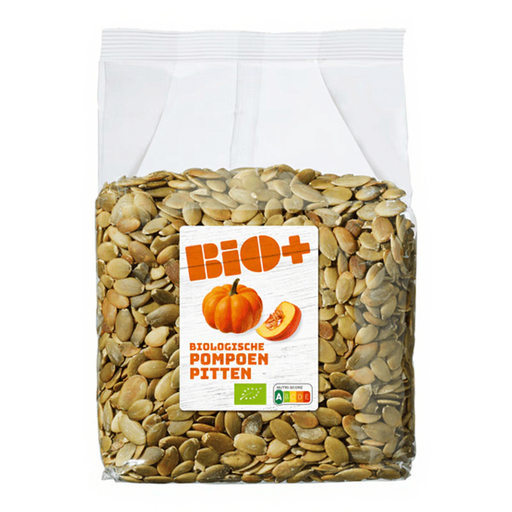
Why it suits this profile: A 500-gram bag provides a useful quantity for breakfast, salads, baking and snacking. The ingredients list is clear: pumpkin seeds of organic origin.
No unclear flavour mix or added salt in the stated ingredients list. After opening, seal the bag securely and store it in a cool, dry place.
500 grams; described as organic; according to the product information, free from the 14 major EU allergens.
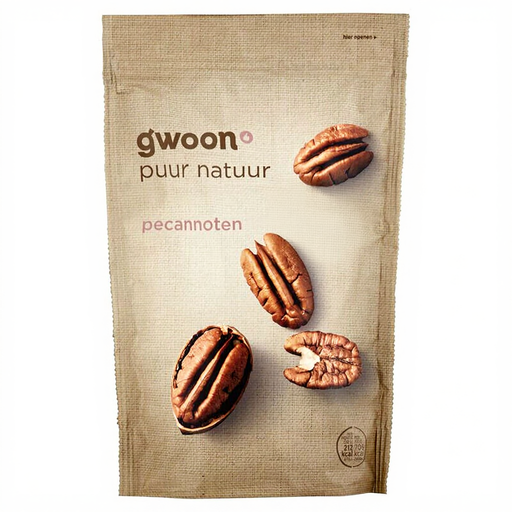
Why it suits this profile: According to the product information, these pecans consist of 100% pecans and are unroasted. This gives you the flexibility to use them in cakes, salads or breakfast dishes.
The ingredients list contains no salt or oil. However, check the warning that the product may contain traces of peanuts and other nuts.
100% pecans; unroasted; 200-gram pack; suitable for a range of uses.
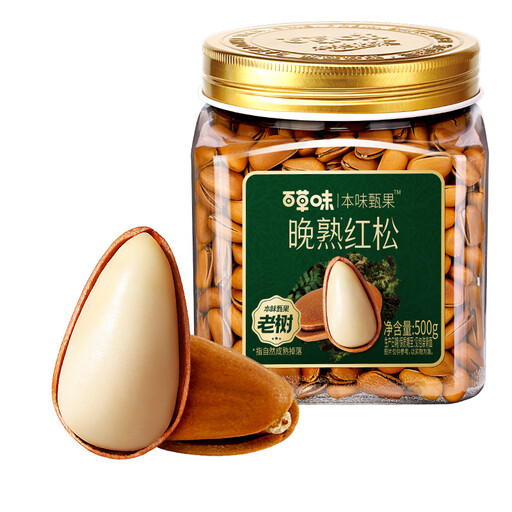
Why it suits this profile: A 500-gram pack is ideal if you regularly use pine nuts for pesto, salads, baking or garnishing.
The product information states the ratio of pine nuts to vegetable oil. This lets you take the difference between this and unroasted varieties into account before buying.
500 grams; ready to use; suitable for hot and cold dishes.
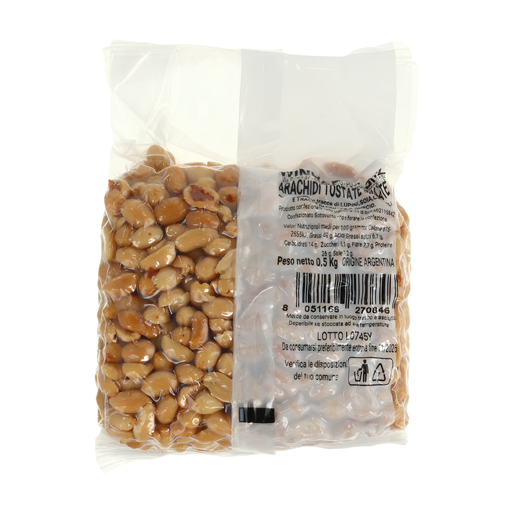
Why it suits this profile: These ready-to-eat peanuts are ideal for drinks and nibbles, keeping in the cupboard or snack times when you want a crunchy, savoury flavour.
The product information clearly lists peanuts and salt as ingredients and states 2.0 grams of salt per 100 grams. That way, you know exactly what you are buying.
500 grams; ready to eat; dry preparation with a savoury flavour.
We have put together a complete, up-to-date list of products that fully meet these strict selection criteria and the applicable European safety regulations.
Store opened nuts and seeds according to the instructions on the packaging: usually in a cool, dry place away from direct sunlight. Seal the bag securely to limit moisture and loss of quality. Some products are best kept refrigerated, particularly if you plan to store them for a longer period.
Use smaller packs for snacks on the go and larger sizes for a household that regularly cooks or bakes. A nut mix, almonds, cashews, walnuts, hazelnuts and sunflower seeds can each be used in different ways. So choose based on your menu rather than simply the front of the packaging.
Pumpkin seeds, sunflower seeds, almonds, walnuts and unsalted cashews work well with yoghurt, porridge or granola. If you have a nut allergy, always check the allergen information and possible cross-contamination.
The exact period depends on the packaging, product type and storage conditions. Check the best-before date and store the product sealed in a cool, dry place. Once opened, use pine nuts, roasted nuts and seeds in accordance with the instructions on the label wherever possible.
Not necessarily. Unsalted nuts give you more control when using them in recipes or mixing your own snacks. Salted nuts may be the better choice for drinks and nibbles or a savoury snack. Compare the nutritional values per 100 grams and choose the variety that suits how you plan to use it.
