
Same-day & Next-day Delivery

Quality Guaranteed

Unlock Your Welcome Offers: FREE Delivery | Up to 80% OFF | Free 30-day JoyPlus trial
Download the APP
If you want to buy nuts and seeds online, you’ll quickly come across dozens of bags of pistachios, cashews, almonds, walnuts and snack mixes. The packaging often promises a rich flavour, extra freshness or a “healthy snack”. Yet a striking front label tells you very little about the ingredients, portion size or price per 100 grams.
With this practical guide, you can compare products based on verifiable information. That way, you’ll find something for on the go, a party, baking, or simply a store cupboard with a variety of flavours.
A 500g bag might look appealing, but always compare the price per 100 grams. With small bags, you’re often paying more for individual portions or a special flavour. With large packs, there’s the risk that the contents become less crunchy after opening before you’ve finished them.
Unsalted nuts usually consist of the nut itself, but roasted nuts can contain extra oil, sugar or flavourings. With salted nuts, the salt content varies considerably. So look at the ingredients list and the nutritional information per 100 grams, rather than just terms like “lightly spiced” or “traditional flavour”.
One example is the Be&Cheery cream-flavoured macadamia: according to the product description, it contains at least 85% macadamia nuts, but also sugar, fructose-glucose syrup, salt, flavouring and E621. That makes it a flavoured snack, not an unsalted natural product.
“Unsalted” doesn’t always mean there is literally zero salt present. The Anatolia Dakota Aycekirdegi Tuzsuz contains sunflower seeds and 0.016% salt according to the listed ingredients. So check the actual packaging when a low salt content matters to you. Also pay attention to the form: sunflower seeds, pumpkin seeds and watermelon seeds are often sold with their shells and require a different way of eating than shelled seeds.
The ingredients list is in descending order of quantity. With a simple nut mix, you want to be able to see which nuts are actually present. Also check the allergen declaration. Many products contain:
A product with only “cashews” as an ingredient is easier to assess than a snack with a long list of additives. If you have allergies, you should always check the packaging and the official product information.
The preparation method determines the flavour and use:
The nutritional value also deserves attention. The values are usually given per 100 grams, while packs contain, for example, 100g, 120g, 200g, 300g or 500g. This allows you to compare portions and price fairly.
Nuts naturally contain fats that can develop a stale or rancid taste over time. If you only eat them occasionally, choose a smaller pack or a resealable bag. Store nuts and seeds according to the label: usually in a cool, dry, dark place, tightly sealed.
Individually wrapped portions are handy for a bag, lunchbox or the office. A larger pack makes more sense if you bake regularly or put together your own nut mix. After opening, check the smell, taste and crunchiness. The best-before date is on the packaging; it can vary from batch to batch.
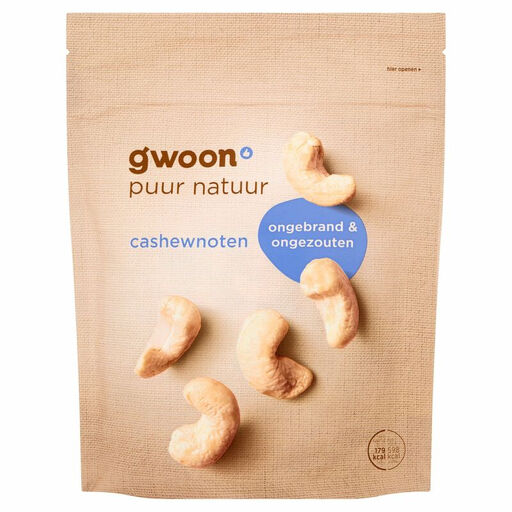
Why this fits the profile: A straightforward 200g pack for anyone wanting to try roasted cashews without buying a large quantity straight away.
The product description lists only cashews as an ingredient. Do check the actual packaging and allergen information upon receipt.
200g, roasted and, according to the product information, unsalted. Suitable for eating on their own or using in recipes.
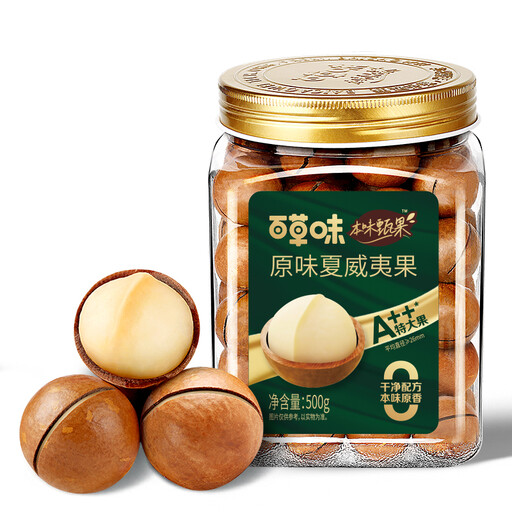
Why this fits the profile: A large pack for macadamia nut lovers who also use them in baking, salads or desserts.
According to the product information, the contents are 100% macadamia nuts, with no added salt, sugar or spices.
500g and ready to eat. The neutral composition makes the product suitable for snacking and recipes.
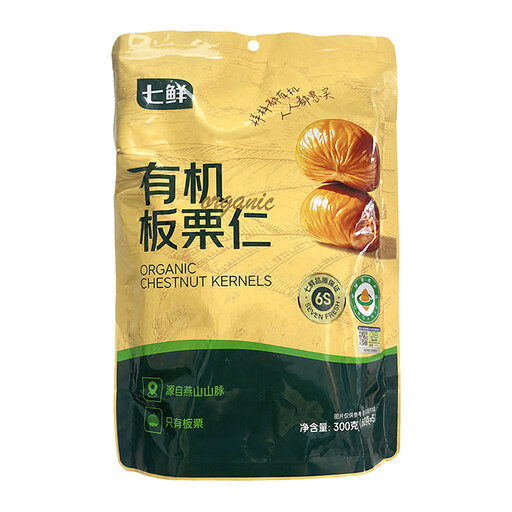
Why this fits the profile: For anyone who regularly uses chestnut kernels in lunch, desserts or as a soft snack without the need for peeling.
The product information lists chestnut as the sole ingredient and a salt content of 0g per 100g.
300g, ready to eat and, according to the description, with no added fat. Practical for repeated use.
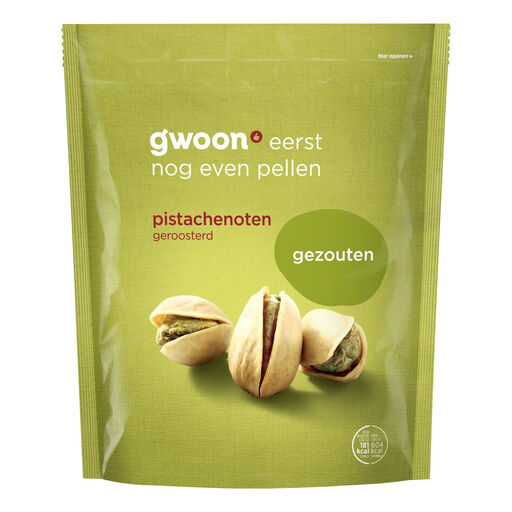
Why this fits the profile: A recognisable salted snack for a bowl on the table, a film night or to share.
The ratio is clearly stated: 99% pistachios and 1% salt. This makes the flavour choice easy to judge in advance.
250g and a short ingredients list. If you have a nut allergy, always check the full warning on the packaging.
We’ve put together a full, up-to-date list of products that fully meet these strict selection criteria and comply with current European safety regulations.
If you’re looking for something different from standard snack nuts, you might want to explore Asian snacks and Turkish snacks. Think of Koh-Kae peanuts with coconut cream, spiced watermelon seeds, salted pumpkin seeds or candied chestnuts. These products often have a distinctive flavour and frequently contain sugar, salt, spices or sweeteners.
For on the go, small bags of 100g to 150g are practical. For parties, larger packs of pistachios, peanuts or a nut mix are more convenient. Supervision is advisable with children: whole nuts and seeds can pose a choking hazard.
Unsalted almonds, cashews, walnuts and macadamia nuts are versatile for biscuits, cakes, salads and desserts. Choose a variety without sugar or strong spices, so the flavour of the recipe remains predictable.
Store the pack in a cool, dry, dark place, tightly sealed. Use an airtight container if the original bag isn’t resealable. Buy a smaller pack if you only snack occasionally.
That depends on the composition and packaging. Compare the price per 100 grams, the proportion of the more expensive nuts, and the amount of salt, sugar or oil. A mix can be handy for variety, while individual nuts give you more control over flavour and use.
