
Vandaag of morgen in huis

Kwaliteit gegarandeerd

Welkomstaanbiedingen ontgrendelen: GRATIS bezorging | Tot 80% korting | Gratis 30 dagen JoyPlus-proefperiode
Download de app
Buying nuts sounds simple, until you have to choose between mixed nuts, salted nuts, unsalted nuts and roasted nuts. Pack size makes a difference too: a small bag is handy for when you’re out and about, while a large pack of nuts can be better value for everyday use or baking.
When ordering online, don’t rely on words such as “premium”, “full of flavour” or “natural”. Check the ingredients, quantity, allergen information and storage instructions instead. This helps you avoid choosing a product that doesn’t suit your eating habits, recipe or household.
A nut mix may contain more than just nuts, including maize, oil, sugar, spices or other ingredients. For example, g'woon Macadamia Mix contains peanuts, almonds, cashews, macadamia nuts, maize and pecans. So if you’re mainly expecting macadamia nuts, it’s worth checking the percentages first.
Always check:
Salt levels vary between products. For example, Anatolia roasted salted almonds contain 1.0 grams of salt per 100 grams. g'woon salted peanuts contain 0.7 grams of salt per 100 grams. The difference may seem small, but it can matter if you eat nuts regularly.
Want to enjoy the pure flavour of almonds, cashews or walnuts? Choose unsalted nuts. Salted and roasted nuts may be a better match for a sharing board or savoury snack.
A 500-gram or 1-kilogram pack may seem appealing for families, keen bakers or office cupboards. But once opened, nuts can lose their flavour and crunch if the bag isn’t sealed properly.
Check:
Always follow the use-by and storage information on the pack. Smaller packs, such as 120 grams of cashews or 150 grams of almonds, are more practical for when you’re out and about and mean there’s less left open for long after opening.
Each nut has its own flavour and texture:
Roasted nuts are often crunchier for snacking. Unsalted nuts give you more control over the finished flavour when cooking or baking.
Check the allergen information, especially for peanuts, cashews, almonds, pistachios and other tree nuts. Also check whether the product may contain traces of other nuts. This is important for households where someone has an allergy.
Compare nutritional information per 100 grams, rather than looking only at the serving size. Pay particular attention to:
A brand’s marketing claims are no substitute for the ingredients list. According to its own product information, a manufacturer may describe a nut as “premium” or “rich in nutrients”, for example. Check the ingredients and nutrition table before you decide.
A small pack is handy for a snack, while a larger one may suit a family, sharing board or baking cupboard better. So compare the price per 100 grams, rather than just the price of the bag.
For example, a 1-kilogram pack of pistachios makes most sense if you share or use them regularly. For occasional use, packs of 100 to 235 grams can help reduce waste and avoid having to store them for a long time.
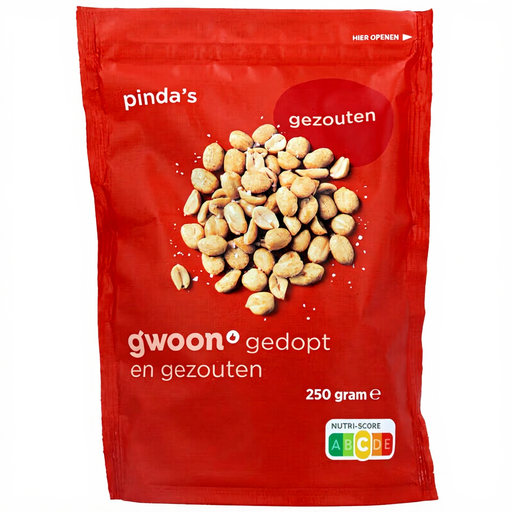
Why it suits this profile: A manageable 250-gram pack for anyone who wants to try salted nuts as an easy snack.
The ingredients list states 99% peanuts, sunflower oil and 0.7% salt, so you can check exactly what’s in it.
250 grams, 26.7 grams of protein per 100 grams according to the label, and ideal for an easy snack.
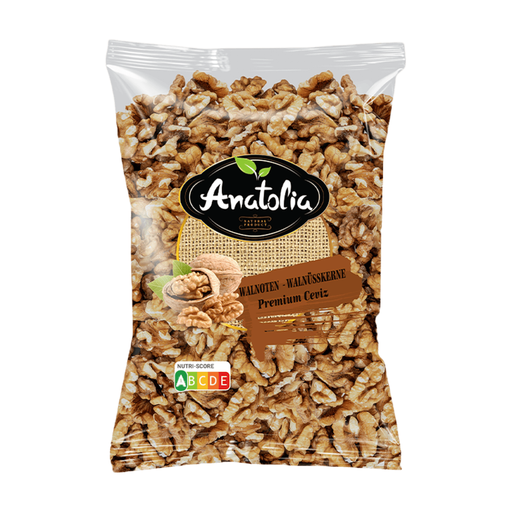
Why it suits this profile: A 350-gram pack of walnuts for anyone looking for a distinctive nutty flavour to enjoy as a snack or in vegetarian and vegan dishes.
The product information provides clear storage instructions and directs you to the pack for the best-before date.
350 grams of walnuts, ideal as a snack, topping or ingredient in dishes such as vegetarian chilli.
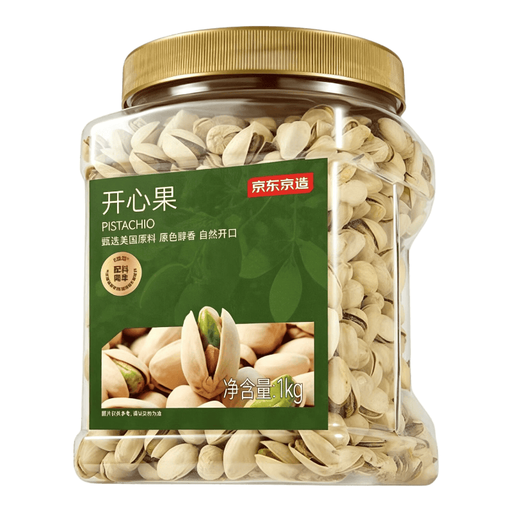
Why it suits this profile: A large pack for families, gatherings and anyone who serves or shares pistachios regularly.
The pack states 99% pistachios and 1% salt, as well as a net quantity of 1 kilogram.
A generous supply, ready to eat and ideal for sharing; the label states 0.77 grams of salt per 100 grams.
We’ve put together a complete, up-to-date list of products that meet these strict selection criteria and the applicable European safety regulations.
It depends on what you like. Salted almonds, peanuts, cashews and pistachios are ready to eat. Unsalted cashews and walnuts are more versatile if you also want to use them in salads, hot dishes or baked goods.
Follow the label and keep nuts somewhere cool and dry, away from direct sunlight, heat and moisture. Seal the pack tightly. If the original bag isn’t resealable, use an airtight storage container. Check the smell, flavour and texture before using the nuts.
It can be, but compare the price per 100 grams and consider how quickly you’ll use the nuts. A 500-gram or 1-kilogram pack can be practical for everyday snacking, baking or a large household. For occasional use, a smaller pack is often easier to manage and keep fresh.
