
Vandaag of morgen in huis

Kwaliteit gegarandeerd

Welkomstaanbiedingen ontgrendelen: GRATIS bezorging | Tot 80% korting | Gratis 30 dagen JoyPlus-proefperiode
Download de app
Are you looking to buy nuts and peanuts for home, on-the-go, or in the kitchen? Comparing options might seem straightforward, but packaging doesn't always tell the full story. A large bag can appear good value, yet you might be paying for coating, salt, or air in the packet. Likewise, words like “premium”, “natural” and “healthy” don't mean much on their own when it comes to the actual ingredients.
So, pay close attention to the ingredients list, nutritional values, net weight, and storage advice. This way, you'll avoid a bad purchase and make a more informed choice between peanuts, cashews, pistachios, macadamia nuts, and seeds.
A 500g or 1kg bag often has a lower price per kilo, but only if you can use the contents in time. Nuts contain a relatively high amount of fat and can lose their crunch or turn rancid after opening. For occasional use, a smaller pack – such as 100g to 220g – can be more practical.
Check whether a product is raw, roasted, salted, or seasoned. Roasted nuts have a different flavour and texture to unsalted peanuts. Flavoured varieties may also have added oil, sugar, flour, flavour enhancers, or sweeteners. So, with spicy nuts, the ingredients list is especially important.
A nutritional table per 100g makes products comparable, but a bag doesn't always contain one portion. For example, G'woon Doppinda's lists 49g of fat, 29g of protein, and 11g of fibre per 100g. These are product details on the label, not automatic advice on how much to eat. Also check the salt content: salted peanuts and seasoned snacks can contain significantly more salt than unsalted varieties.
Pure products often list just one ingredient, for example 100% peanuts or 100% macadamia nuts. Other products contain oil, salt, sugar, spices, or a crispy coating. Also check the allergen information. Peanuts and nuts are major allergens under European labelling rules. “May contain traces of” is also relevant if you need to consider cross-contamination.
Pay extra attention to composite snacks. For instance, the ingredients of ChaCha Spicy Flavored Peanuts include peanuts, soya, chilli, and Szechuan pepper. Koh-Kae Coated Peanuts Coconut Cream contains wheat, sugar, and coconut cream powder alongside peanuts.
According to the manufacturer's product description, some pine nuts are lightly roasted with palm oil. So, check the actual packaging if you're looking for a product without added oil.
A resealable bag is handy for snacking on the go, while individually wrapped portions can be suitable for work or school. Always follow the storage instructions on the packaging. This usually means a cool, dry, and dark place. After opening, a well-sealed pack helps to limit moisture and odour transfer.
Different rules apply to frozen products. Mooijer Whole Boiled Peanuts must be kept frozen and should not be refrozen after thawing. This makes the product particularly suitable for a household that can follow the preparation and storage instructions carefully.
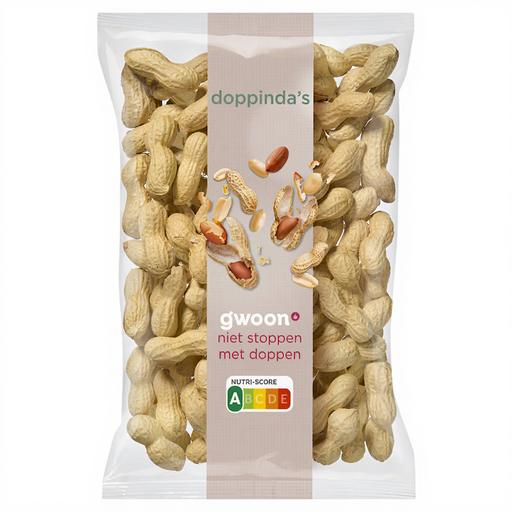
Why this fits the profile: A 500g pack offers a simple introduction to peanuts in shell for snacking or cooking.
The product description lists peanut as an ingredient and provides nutritional values per 100g. Check the current allergen information on the packaging.
500g; peanuts in shell with a simple composition; suitable for snacking and use in dishes.
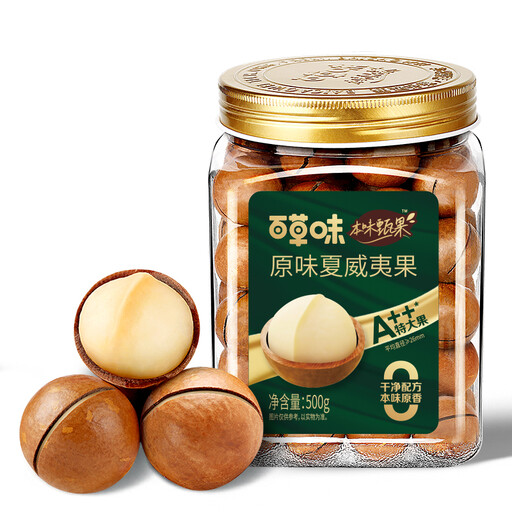
Why this fits the profile: These unsalted macadamia nuts are designed for those who love a mild, creamy nut flavour without a coating of spices.
The product information states 100% macadamia nuts, with no added salt, sugar, or spices. Always check the current label before purchasing.
500g; unsalted; usable as a snack, in salads, desserts, and for baking.
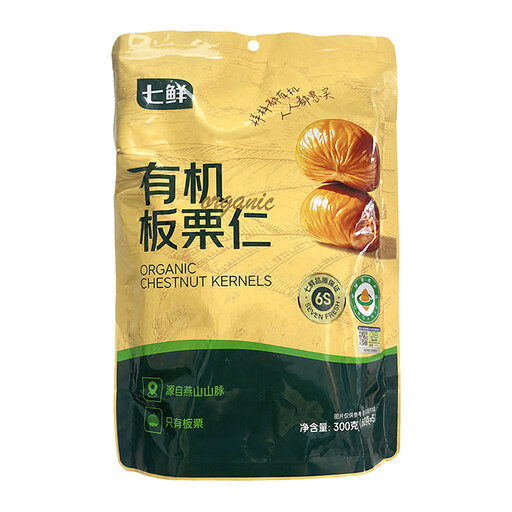
Why this fits the profile: Handy for anyone who wants to use chestnut kernels straight away in lunchboxes, salads, desserts, or warm meals.
According to the product information, the chestnut kernels are ready to eat. This means no peeling or roasting is needed; after opening, you should use them straight away.
300g; ready to eat; according to the label, 0g fat and 185 kcal per 100g.
We've put together a full, up-to-date list of products that fully meet these strict selection criteria and comply with current European safety regulations.
That depends on your preference and the product's composition. Unsalted nuts, roasted nuts without a coating of spices, and simple nut mixes often contain fewer added ingredients than coated or heavily seasoned varieties. Always compare the nutritional value per 100g and pay attention to portion size, salt, and added sugar.
Store nuts according to the label in a cool, dry, and dark place. Seal the packaging tightly. For large bulk packs, dividing them into smaller, airtight containers can be practical. Do not smell or taste a product if the packaging is damaged or the flavour has clearly changed.
Yes. Unsalted cashews, macadamia nuts, pine nuts, and unsalted peanuts can be used in biscuits, cakes, granola, pesto, and savoury dishes. Choose a neutral variety if you want to control the flavour yourself. With composite products, always check whether sugar, salt, oil, or other allergens have been added.
