
Same-day & Next-day Delivery

Quality Guaranteed

Unlock Your Welcome Offers: FREE Delivery | Up to 80% OFF | Free 30-day JoyPlus trial
Download the APP
When you buy nuts and seeds online, you’ll quickly come across dozens of varieties: mixed nuts, roasted cashews, macadamia nuts, pistachios, pine nuts and seasoned sunflower seeds. The packaging often looks appealing, but the important differences are usually in the small print.
So don’t just focus on flavour or a big bag. The ingredients, portion size, preparation method and allergens determine whether a product is suitable for daily use, snacks on the go, or for use in salads, pesto and baking.
A 500g bag might look tempting, but nuts and seeds lose their crunch more quickly after opening if the packaging isn’t resealable. Roasted nuts with oil or seasoned varieties, in particular, need dry, cool storage.
So compare the price per 100g, but also look at:
A smaller pack can be more practical if you won’t use the product quickly.
Marketing terms don’t give you the full picture of what’s inside. Check the percentage of nuts or seeds and see whether oil, sugar, sweeteners, salt or flavour enhancers have been added.
A natural product, for example, might consist of 100% almonds, walnuts or macadamia nuts. A snack mix, on the other hand, could also contain wheat flour, palm oil, sweeteners or spices. The ingredients list is in descending order of quantity.
Nut mixes can combine cashews, walnuts, pistachios, hazelnuts, almonds and macadamia nuts. In addition, some products may contain milk, sesame or gluten. Peanuts are also covered by mandatory allergen information, even though botanically they are not tree nuts.
Always read the current packaging. Product information can change, and the packaging is the definitive source for allergens, nutritional values and shelf life.
First, look at how much of the product consists of the named ingredient. For pine nuts, for example, a percentage of at least 95% may be stated. With a nut mix, it’s useful to know how many cashews, macadamia nuts, walnuts or pistachios are actually present.
With composite snacks, also pay attention to dried fruit, sugar and syrups. A portion pack with walnuts, raisins, cranberries, cashews, almonds and hazelnuts has a different composition to a mix containing only roasted nuts.
“Roasted” doesn’t automatically mean no oil or salt has been used. Check whether the product is:
For cooking and baking, natural macadamia nuts, pine nuts, walnuts and sesame seeds are often more suitable than heavily seasoned snacks. For movie nights or on the go, seasoned sunflower seeds and pumpkin seeds can be more appealing.
A 100g portion is the standard for nutritional information, but that’s not the same as a recommended serving size. So compare the nutritional values per 100g and the actual amount per bag.
Also check whether the packaging is divided into individual portions. A 115g product with five 23g bags, for example, is much easier to take to the office than a large open bag. With chestnut kernels, a soft, ready-to-eat texture may be more important than a crunchy one.
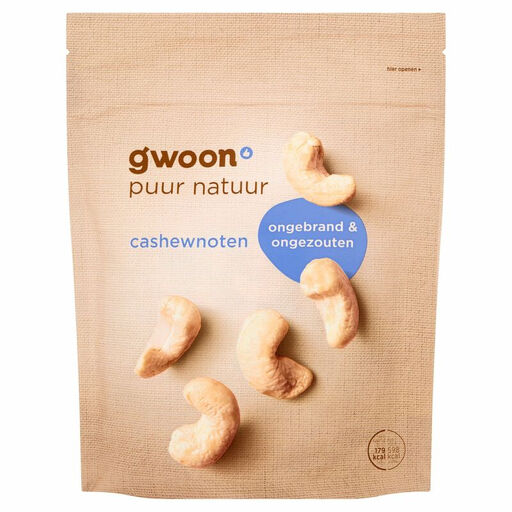
Why this fits the profile: A manageable size for anyone wanting to try roasted cashews without added salt, without committing to a large quantity straight away.
The product description lists only cashews as an ingredient. Check the current packaging for the definitive allergen and nutritional information.
200g; roasted; according to the product information, unsalted; suitable for eating straight away.
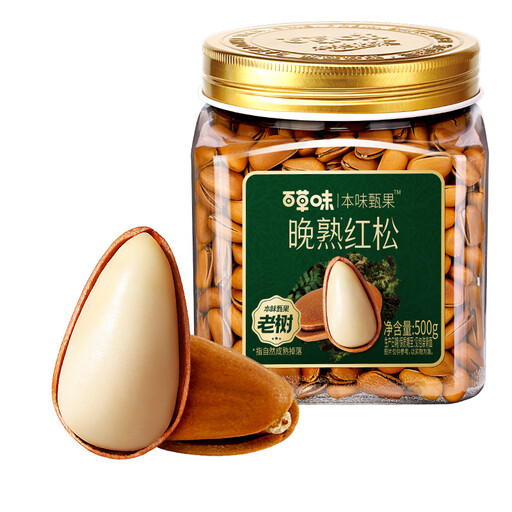
Why this fits the profile: A large size for anyone who uses pine nuts regularly in pesto, salads, baking or as a garnish.
The stated proportion of pine nuts is at least 95%. The description does mention light roasting with palm oil; check this if you want a natural product for cooking.
500g; ready to eat; suitable for salads, pesto, baking and as a topping.
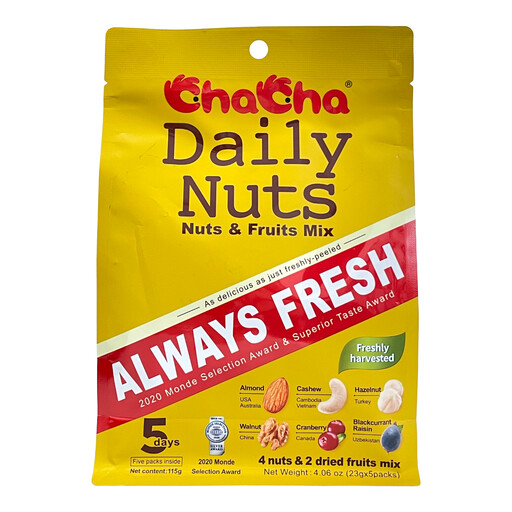
Why this fits the profile: Five separate portions are practical for the office, train journeys, walks or snacks on the go.
The total amount is divided into 5 x 23g portions. This means the whole bag doesn’t stay open after one snack session. The mix also contains raisins and cranberries.
Walnuts, cashews, almonds and hazelnuts; five individual portions; ready to eat and suitable for yoghurt or muesli.
We’ve put together a full, up-to-date list of products that fully meet these strict selection criteria and comply with current European safety regulations.
Store opened packs in a cool, dry place away from direct sunlight. Seal a resealable bag carefully or use an airtight container. This helps to limit moisture and the transfer of odours. Pine nuts, walnuts and macadamia nuts are relatively high in fat; a fresh smell and crunchy texture are practical indicators of good product quality.
Use separate utensils when adding nuts to salads, pesto or baking if you need to be mindful of allergens. For imported products, also check the Dutch-language information on the packaging.
Individually wrapped nut mixes, chestnut kernels and smaller bags of sunflower seeds are handy for on the go. Look for sturdy packaging, a clear portion size and the presence of a resealable closure or separate portions.
This varies depending on the product, preparation method and storage. Follow the instructions on the packaging and ideally consume the product promptly after opening. Store nuts and seeds in a cool, dry place and don’t use them if the smell, taste or texture has clearly changed.
Unsalted cashews, almonds or walnuts contain no added salt according to the product description, but the nutritional value and allergens remain important. If you’re after a seasoned snack, you could choose salted pistachios, pumpkin seeds or roasted sunflower seeds. Always compare the ingredients and salt content per 100g.
