
Vandaag of morgen in huis

Kwaliteit gegarandeerd

Welkomstaanbiedingen ontgrendelen: GRATIS bezorging | Tot 80% korting | Gratis 30 dagen JoyPlus-proefperiode
Download de app
If you want to buy nuts and seeds online, you’ll soon come across dozens of options: roasted nuts, salted nuts, unsalted nuts, organic pumpkin seeds and large value packs. The differences aren’t just about taste. Ingredients, allergens, portion size, shelf life and storage all affect whether a product is right for you.
That’s why attractive packaging doesn’t tell you everything. Use these practical checks to compare products based on the information actually shown on the label or in the product description.
Nuts naturally contain fats, protein and fibre, but processed varieties may also contain oil, sugar, syrup, flavourings or extra salt. For example, a creamy macadamia flavour may come with sugar, fructose-glucose syrup and a flavour enhancer. That makes it different from unsalted nuts with just one ingredient.
Always check:
Bulk nuts are practical for families, baking or regular use, but once opened, nuts can lose their flavour and crunch. Products with a high unsaturated fat content are particularly prone to developing a stale or rancid taste if stored somewhere warm or damp, or in direct sunlight.
A 500-gram or 1-kilogram pack makes most sense if you:
For occasional snacking, 100 to 200 grams is often a more manageable amount.
Almonds, cashews, pistachios, walnuts, macadamias, pine nuts and peanuts don’t all belong to the same product group, but they may be handled in the same range or on the same production line. So check the allergen information, even when buying a nut or seed mix.
Some products clearly state that they contain nuts, sesame or other seeds. And a product that doesn’t contain any of the 14 main EU allergens isn’t automatically suitable for every individual allergy. Always check the current packaging.
Roasted nuts usually have a more intense aroma and a crunchy texture. Check whether they’ve been dry-roasted or prepared with oil. This is usually stated in the ingredients.
Roasted sunflower seeds, organic pumpkin seeds and black sesame seeds are easy to measure out for salads, granola and bread. Raw varieties give you more scope to roast them yourself, but require extra preparation.
Salted pistachios and almonds are ideal for sharing, while unsalted nuts give you more control when adding them to porridge, sauces, baking or savoury dishes. Compare the salt content per 100 grams. Two products with the same name can differ significantly.
Look out for flavoured combinations, too. A snack containing maize, sugar, honey or milk ingredients isn’t the same as a pack containing only almonds.
Small packs are handy for taking on the go or packing in a lunchbox. A 340- to 500-gram bag is more practical for cooking and baking. A 1-kilogram pack may look like good value, but compare the price per 100 grams and consider the risk of waste.
Store opened products as directed in the product information: somewhere cool and dry, out of direct sunlight, and tightly sealed. For some nuts, refrigeration or freezing can help keep them fresh for longer. Always check the best-before date on the pack.
For organic pumpkin seeds, you should be able to verify the organic status on the packaging, for example through the EU organic logo and its associated control code. Don’t rely solely on a general term in the product title.
Nutritional values are useful for comparing products, but they aren’t personal dietary advice. Check the energy, fat, saturates, carbohydrates, sugars, protein and salt per 100 grams. A product that’s low in salt may still contain added sugar or oil.
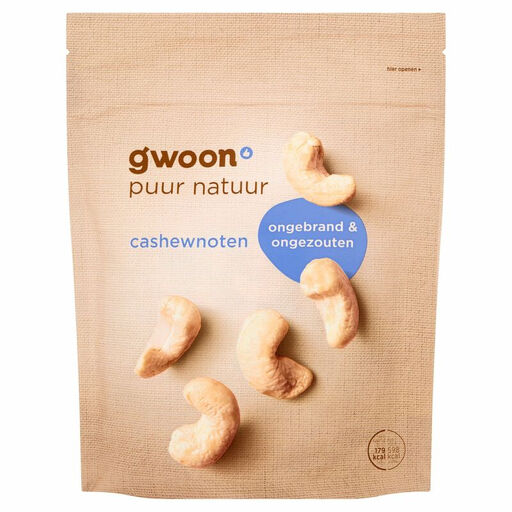
Why it suits this profile: A 200-gram pack is a manageable choice if you want to try cashews without buying a large amount straight away. The nuts are roasted and, according to the product information, unsalted.
The ingredients list states cashew nuts; the stated salt content is 0.067 grams per 100 grams. Check the allergen information and current packaging before buying.
200 grams; roasted; no added salt listed in the ingredients; suitable for snacking or baking.
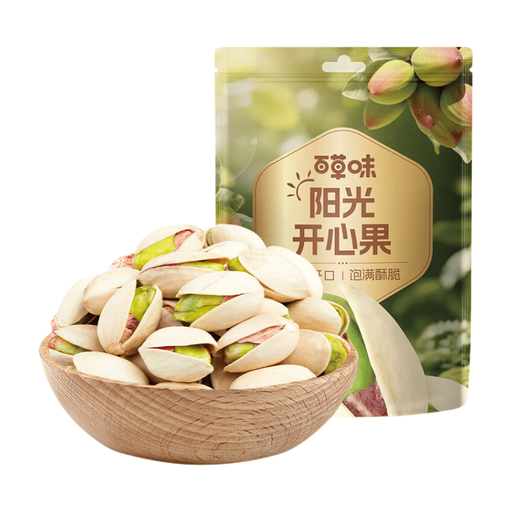
Why it suits this profile: The compact pack is ideal for a sharing platter, lunchbox or snack on the go. The product description states that these are roasted pistachios with salt.
According to the product information, the ingredients are pistachios and salt. The salt content is listed as 1.5 grams per 100 grams, making it easy to include in your comparison.
100 grams; ready to eat; roasted; simple ingredients list with pistachios and salt.
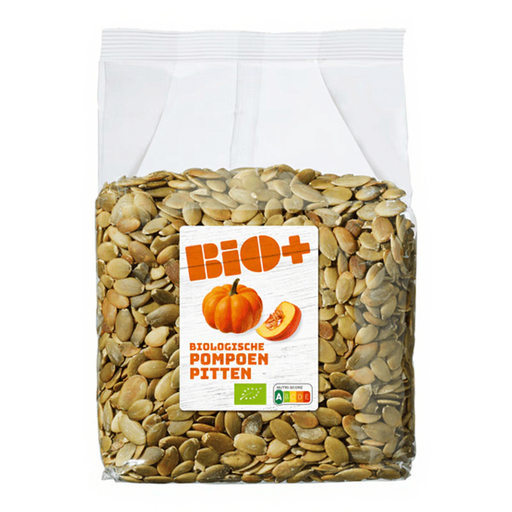
Why it suits this profile: The 500-gram pack is a good fit for regular use in bread, salads, breakfast, soup or homemade nut mixes. The product information states that the pumpkin seeds are organically produced.
The ingredients list contains only pumpkin seeds of organic origin. Check the organic certification when your order arrives, and keep the bag tightly sealed.
500 grams; one listed ingredient; according to the product information, free from the 14 main EU allergens.
We’ve put together a complete, up-to-date list of products that meet these strict selection criteria and current European safety regulations.
Roasted describes how the nuts are prepared; unsalted refers to the amount of salt added. So a product can be both roasted and unsalted. Check the ingredients list and nutritional information to be sure.
Keep them in a tightly sealed pack somewhere cool and dry, out of direct sunlight. Use a clean, airtight container and follow the storage instructions on the label. If you buy a large pack, it’s a good idea to store some of it separately in an airtight container.
That depends on the price per 100 grams and how much you’ll actually use. Don’t just compare the total price: consider the shelf life, storage space and the chance that the contents may lose quality. Bulk nuts can be practical for everyday use, while a smaller bag is often more efficient for occasional snacking.
