
Vandaag of morgen in huis

Kwaliteit gegarandeerd

Welkomstaanbiedingen ontgrendelen: GRATIS bezorging | Tot 80% korting | Gratis 30 dagen JoyPlus-proefperiode
Download de app
If you want to buy nuts and seeds, you’ll quickly find dozens of varieties, flavours and pack sizes online. A small bag for on-the-go use needs different features from a large pack of nuts for baking, cooking or sharing with the family. The difference between natural, roasted, unsalted and seasoned products can also be greater than the product photo suggests.
As a Joybuy Product Recommendation Officer, I focus on the information that can be checked on the label: ingredients, allergens, nutritional values, net contents and storage advice. This helps you avoid paying mainly for the packaging or an appealing flavour name.
With a mix, the composition matters more than the name. According to the product information, for example, g'woon Macadamia Mix contains 26.1% peanuts, 18.8% almonds, 18.4% cashew nuts and 15.8% macadamia nuts. The mix also contains maize, pecan nuts, salt and sunflower oil. So if you’re specifically looking for macadamia nuts, you won’t be getting macadamias alone.
That’s why you should always check the quantitative ingredient declaration. For single-ingredient products, it’s also worth checking whether oil, sugar, salt or flavourings have been added.
Marketing terms such as “traditional”, “premium” or “natural” don’t always describe the full contents. According to the label, g'woon Sugar Peanuts consist of 59% peanuts and 33% sugar, supplemented with sunflower oil, glucose syrup, honey, a thickener and a colouring agent. That suits someone looking for a sweet snack, but not someone expecting unsalted nuts with no added sugar.
With roasted nuts, the difference between dry-roasted and oil-roasted is also relevant. The ingredients list makes this distinction clearer than the product title.
A 500-gram bag or an 800-gram jar may seem practical, but once opened, nuts and seeds can lose their crunch and aroma. Products containing oil, such as macadamia nuts, pine nuts and cashew nuts, particularly need to be sealed properly and stored in a dry place.
Only choose a large pack of nuts if you use the contents regularly, for example in salads, pesto, baking or as a daily snack. For occasional use, choosing 100 to 200 grams can help prevent waste.
First decide what you want to use the product for:
Also look out for unusual ingredients. According to the label, Dahaoda liquorice-flavoured watermelon seeds contain 93% watermelon seeds, salt, spices, liquorice and sweetener. The manufacturer warns against excessive consumption by people with high blood pressure; this is a statement from the brand and not general medical advice.
Peanuts, cashew nuts, macadamia nuts, almonds, walnuts, hazelnuts, pistachios and pine nuts are among the allergens you should check carefully. Even products without obvious nuts in the recipe may carry a precautionary allergen statement.
Examples:
Always check the current label, especially if you have an allergy or are ordering for someone else.
Don’t just compare the price per bag; also check the price per 100 grams. The nutritional information table helps you compare products within the same category. For example, g'woon Cashew Nuts Roasted & Unsalted lists 596 kcal and 0.067 grams of salt per 100 grams, while the salted macadamia mix has a different composition.
Store nuts and seeds according to the label: in a cool, dry place away from direct sunlight. Seal the pack carefully after opening. For products such as chestnut kernels and opened pine nuts, the packaging states that they should be consumed immediately after opening. Always check the date on the packaging for the use-by or best-before information.
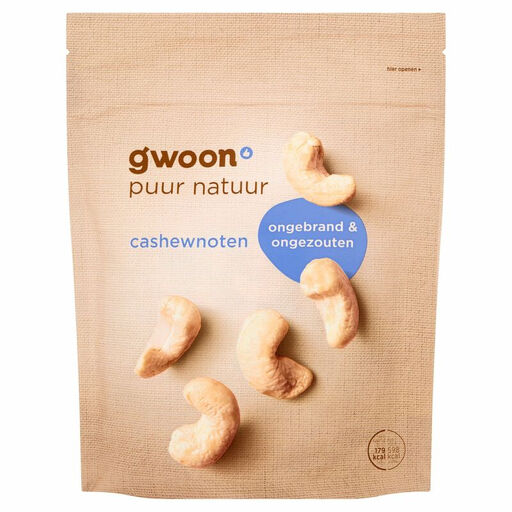
Why it suits this profile: A 200-gram pack is a manageable choice for someone who wants to try roasted cashew nuts without buying a large stock straight away.
The ingredients list mentions cashew nuts only; according to the product title, the product is roasted and unsalted. Do check the current packaging.
200 grams, ready to eat and suitable for snacking or adding to recipes.
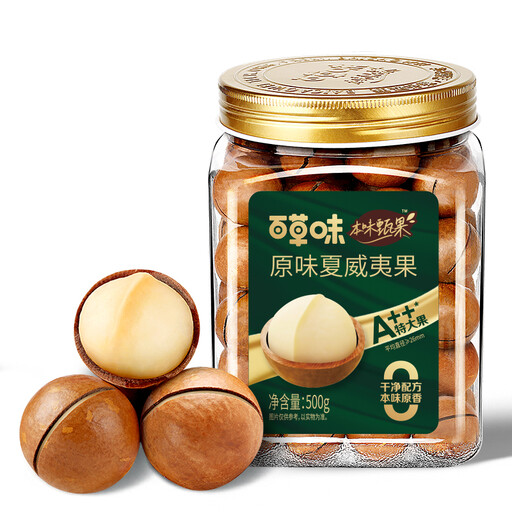
Why it suits this profile: This large pack is intended for people who regularly serve, bake with or snack on macadamia nuts.
The product information states that it contains 100% macadamia nuts, with no added salt, sugar or seasoning. Seal the opened bag securely.
500 grams, natural according to the product description and suitable for snacking, baking and desserts.
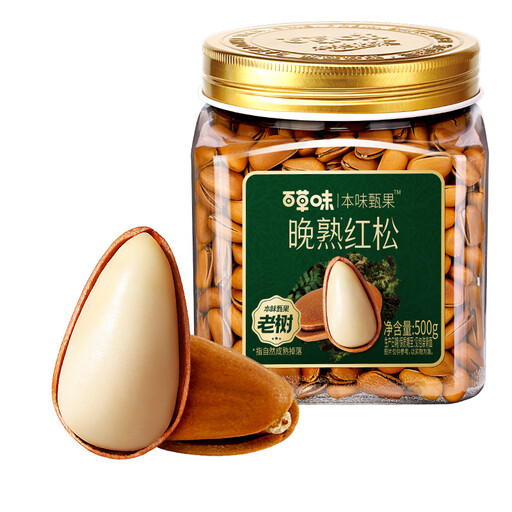
Why it suits this profile: A 500-gram supply is ideal for frequent use in pesto, salads, Asian dishes, baking or as a topping.
The ingredients list states a minimum of 95% pine nuts and vegetable oil. This makes it clear that it isn’t an unspecified seed mix.
500 grams, lightly roasted according to the product description and ready to use in hot and cold dishes.
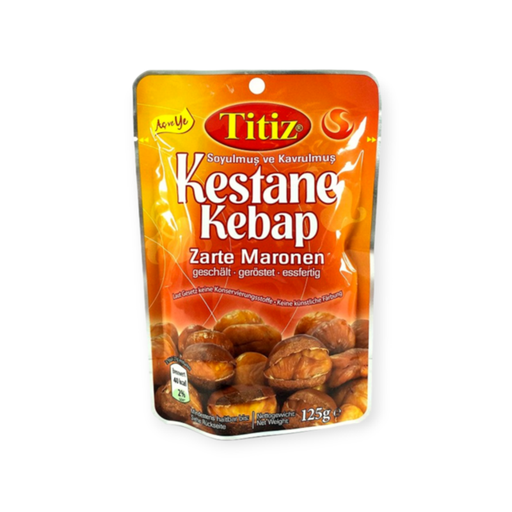
Why it suits this profile: These peeled, baked chestnuts are ready to eat and suit anyone looking for a soft snack without a nut mix or added flavourings.
According to the product information, this product consists of 100% peeled, baked chestnuts, with no added sugar, colourings or preservatives.
125 grams, vegan according to the product description and ready to eat without any preparation.
We’ve put together a complete, up-to-date list of products that fully meet these strict selection criteria and the applicable European safety regulations.
As well as the products above, you can also search online for:
Store them in a cool, dry place away from direct sunlight. Seal the bag or jar securely to limit moisture and the transfer of odours. For opened chestnuts, pine nuts and seeds, follow the specific instructions on the packaging.
Not necessarily. A product may be unsalted but roasted in oil or contain other ingredients. So check the full ingredients list rather than relying only on the words “unsalted” or “natural”.
A large pack is particularly practical if you snack often or regularly use nuts for cooking and baking. Compare the price per 100 grams and take the shelf life after opening into account. Smaller packs may be more convenient for smaller households.
