
Same-day & Next-day Delivery

Quality Guaranteed

Unlock Your Welcome Offers: FREE Delivery | Up to 80% OFF | Free 30-day JoyPlus trial
Download the APP
Want to buy nuts and seeds for everyday snacking, a cheeseboard or the kitchen? Shopping online, you'll quickly come across terms like "natural", "rich in flavour" and "premium". These descriptions don't tell you much if the ingredients, portion size or allergen information aren't clear.
So pay close attention to what's actually on the label. A large pack isn't automatically better value, a cranberry and nut mix doesn't always contain little sugar, and "roasted nuts" can still have salt or oil added. With the checks below, you can compare products objectively and avoid a purchase that doesn't suit how you'll use them.
A mix with lots of different ingredients sounds appealing, but the first ingredients on the list usually make up the largest proportion. With a cranberry mix, that could mean a significant part is sweetened dried fruit. So check the percentages of, for example, almonds, cashews, walnuts or cranberries.
The g'woon Cranberry mix unsalted 200 g contains, according to the product information, 30% sweetened cranberries, 25% cashews, 25% almonds and 20% walnuts. The name "unsalted" refers to the salt content, but doesn't mean there's no sugar in the dried fruit.
Unsalted nuts have no added salt, but the nuts may still be roasted or contain oil. The g'woon Nut Mix Unsalted 200g lists, among others, peanuts, almonds, cashews, hazelnuts and Brazil nuts, plus sunflower oil. If you're looking for raw nuts only, you also need to check the preparation method and ingredients list.
With roasted nuts, it's also relevant whether they've been fried in oil or dry-roasted. Duyvis Dry-Roasted Mixed Nuts, for example, lists cashews, peanuts and almonds and states that no extra fat or oil has been added. The mix does contain salt and a savoury seasoning.
A 500g or 750g bag may seem better value per gram, but nuts gradually lose their crunch after opening if the pack isn't sealed properly. Choose a larger pack if you regularly share them, cook with them or make portions. For occasional snacking, a smaller bag can be more practical.
Check the storage advice: usually it's a cool, dry place, away from direct sunlight and moisture. Seal the pack well after opening and don't use any product where the packaging is damaged.
Nuts, peanuts, sesame seeds and soya are among the allergens that must be clearly listed on the label. Also check warnings for possible traces. Product information online can be incomplete or worded differently from the packaging. If you have an allergy, it's wise to check the current label before using the product.
The same applies to seasonings. The HUASEED All-Spice Braising Mix 35g lists, among others, celery, mustard, sesame and soya as allergens. The Huaseed BBQ Seasoning (Spicy) 35g contains, according to the product information, sesame, peanut and soya products, and is produced on a line where gluten-containing grains are also processed.
Compare the nutritional values per 100g, not just per portion. This way you can better see the difference between a natural nut mix, a seasoned snack and a sweet mix with dried fruit. A product can taste "fruity" because of added sugar, while a seasoned version contains extra salt.
With sunflower seeds and pumpkin seeds, check whether salt, sugar or a coating of spices has been added. For a simple topping on salad, bread or yoghurt, sesame seeds without extra ingredients may be more suitable than a flavoured snack.
A 90g pack is handy to take with you or share for a short occasion. A multipack with individual portions helps with stocking up for work, school or on the go. The Three Squirrels Daily Nuts contains 30 sachets of 25g within a total weight of 750g. The mix combines walnuts, cashews, cranberries, raisins, almonds, blueberries, hazelnuts, macadamia nuts and pistachios.
For cooking, smaller bags are sometimes less relevant than the exact flavour and shelf life. A 1.75 litre bottle of sesame oil, for example, only really makes sense if you stir-fry, marinate or cook for several people often.
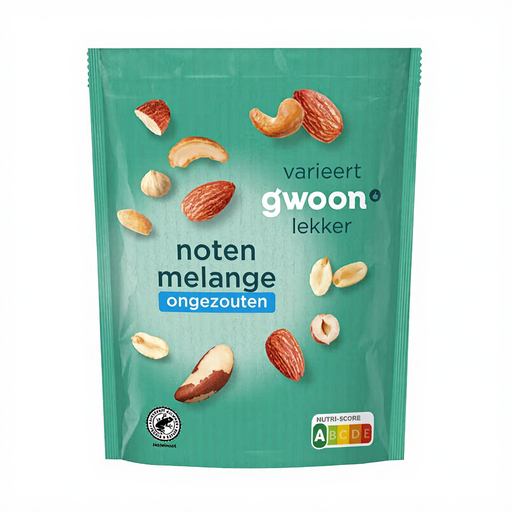
Why it suits this profile: An accessible mix for anyone wanting to try different nuts without buying several bags. The product information states 200g and 0g salt per 100g.
The ingredients are listed with percentages. Do check the label if you're specifically looking for raw nuts without oil.
Mix of peanuts, almonds, cashews, hazelnuts and Brazil nuts; 200g pack.
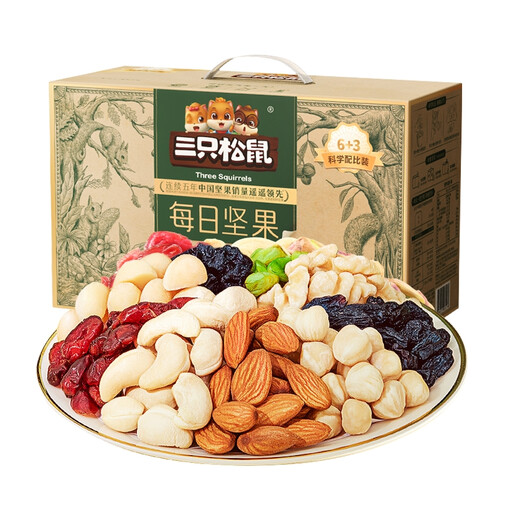
Why it suits this profile: Aimed at those who value variety and fixed portions. The pack contains 30 individual sachets of 25g.
The portions limit repeated opening of one large bag. Check the allergen list: the mix contains several types of tree nuts and dried fruit.
750g total; walnuts, cashews, almonds, hazelnuts, macadamia nuts and pistachios in one selection.
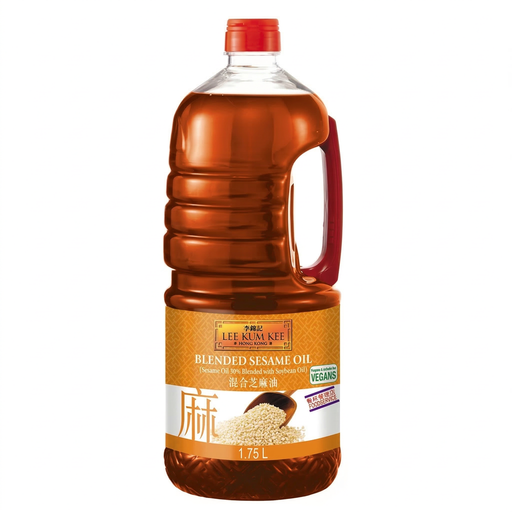
Why it suits this profile: A large bottle for households that often prepare Chinese dishes, stir-fries, soups or marinades.
The product name states a blended oil. The ingredients list sesame oil and refined vegetable oil, so you can distinguish this from pure sesame oil.
1.75 litre capacity; suitable according to the product information for cold dishes, stir-frying, braising and soups.
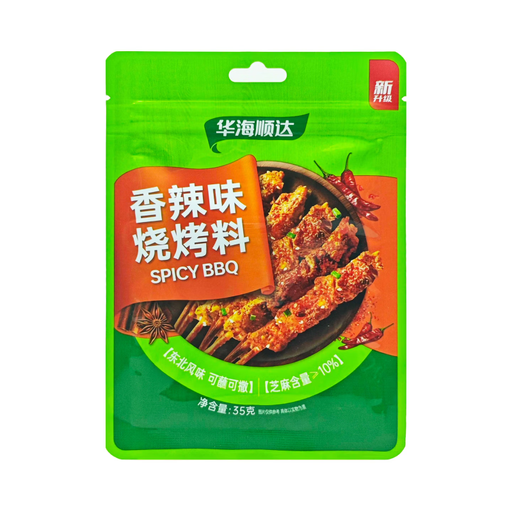
Why it suits this profile: For anyone wanting to season meat, chicken, skewers or vegetables with a blend of chilli, cumin, sesame and spices.
The ingredients and allergens are listed. This shows that this BBQ seasoning isn't suitable for anyone with an allergy to sesame, peanut or soya.
35g; can be used as a dry rub or mixed with oil for a marinade or dipping sauce.
We've put together a full, up-to-date list of products that fully meet these strict selection criteria and current European safety regulations.
Raw nuts haven't been roasted; roasted nuts have been heated to change their flavour and texture. With both types, check whether salt, oil or spices have been added. The term "roasted" on its own doesn't give any information about the salt content.
Store them according to the label in a cool, dry and dark place. Seal an opened bag well and protect the contents from moisture, heat and strong odours. If you're unsure about freshness, the packaging or the best-before date, it's better not to use the product.
That depends on your consumption and the price per 100g. Compare that price, but also consider the shelf life after opening. A large bag or bottle is mainly practical with regular use, sharing or cooking for several people.
