
Vandaag of morgen in huis

Kwaliteit gegarandeerd

Welkomstaanbiedingen ontgrendelen: GRATIS bezorging | Tot 80% korting | Gratis 30 dagen JoyPlus-proefperiode
Download de app
Anyone looking to buy nuts and seeds online will soon come across numerous varieties with similar photos and large packs. However, products can differ significantly in ingredients, salt content, preparation method and intended use. A bag of peanuts for a party, for example, calls for different qualities than unsalted nuts for baking or dried longan for tea and soup.
Before you place your order, watch out for these common pitfalls.
A 500-gram or 1-kilo bag may look appealing, but it’s only practical if you can use the contents in good time. Once opened, nuts and seeds can lose their crunch, particularly when exposed to heat, moisture and direct sunlight. So don’t just compare the total price: also check the price per 100 grams and the recommended storage conditions.
For everyday use, a 200- to 350-gram pack may be more convenient. Larger packs are better suited to families, regular baking or a store cupboard where you can seal the bag properly.
Always check the ingredients list. Unsalted nuts often contain only the nut in question, while salted nuts may contain added oil and salt. With roasted nuts, it’s important to check whether oil has been added. A flavoured variety may also contain sugar, syrup, herbs, flour or flavourings.
For example, according to the product information, g’woon Salted Peanuts consist of 99% peanuts, sunflower oil and 0.7% salt. Koh-Kae Coated Peanuts Coconut Cream contains, among other ingredients, peanuts, wheat, sugar, coconut cream powder, oil, salt and flavouring. These are different products for different taste preferences.
Peanuts and nuts such as cashews, macadamia nuts, walnuts, pistachios and pecans are covered by mandatory allergen labelling in the EU. Seeds may also carry cross-contamination warnings. So read the packaging, not just the product title.
Some product descriptions provide limited or differing allergen information. The packaging of the product you receive is the authoritative source, particularly if you have an allergy or intolerance. Also look out for ingredients such as wheat, milk and sesame, as well as possible traces of other nuts.
Choose according to how you plan to use the product:
Nutritional information makes comparisons easier. Look at energy, fat, saturates, carbohydrates, sugars, protein and salt. Always compare the same unit: per 100 grams, rather than per serving when serving sizes vary between brands.
According to BE&CHEERY’s product information, macadamia nuts contain 67.8 grams of fat per 100 grams and no added salt or sugar components in the ingredients list. The cream-flavoured variety, on the other hand, contains fructose-glucose syrup, sugar, salt and flavourings. So flavour isn’t the only difference.
Check whether the bag is resealable and where the best-before date is shown. Store nuts and seeds in a cool, dry, dark place. Seal the packaging properly after each use. Do not use damaged packaging.
For the office, car journeys or a school bag, small packs of 100 to 180 grams are easy to take with you. For cooking and baking, packs of 300 to 500 grams are often more practical. A nut mix can be useful if you want to combine several flavours, but check the percentage of each ingredient.
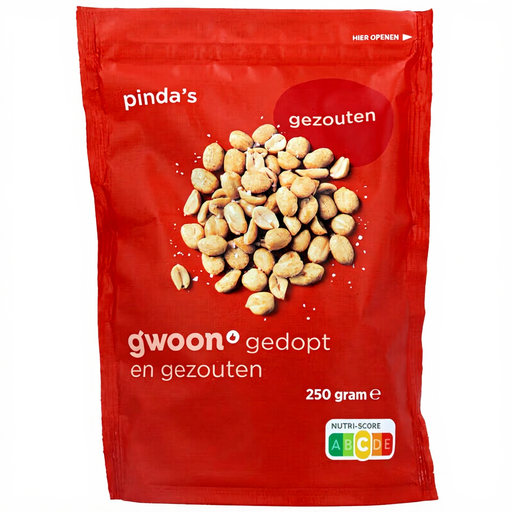
Why it suits this profile: A manageable pack for anyone looking for everyday peanuts to enjoy with drinks or as a snack.
The ingredients list states 99% peanuts, sunflower oil and 0.7% salt, making the composition quick and easy to check.
250 grams, ready to eat and, according to the product information, containing 6.3 grams of fibre per 100 grams.
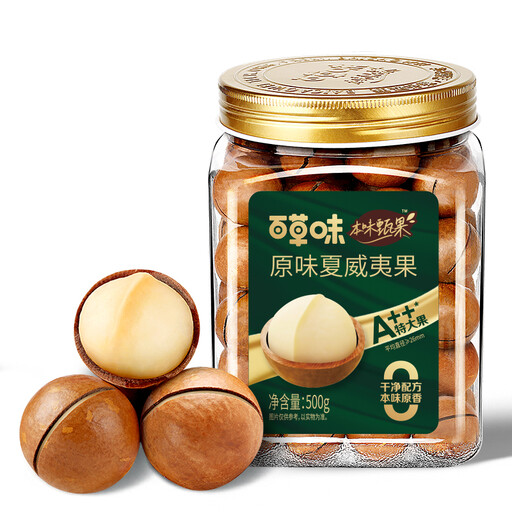
Why it suits this profile: A generous pack for anyone wanting to serve macadamia nuts, use them in baking or add them to salads.
The product information states that it contains 100% macadamia nuts, with no added salt, sugar or herbs.
500 grams, ready to eat and suitable for sweet and savoury recipes.
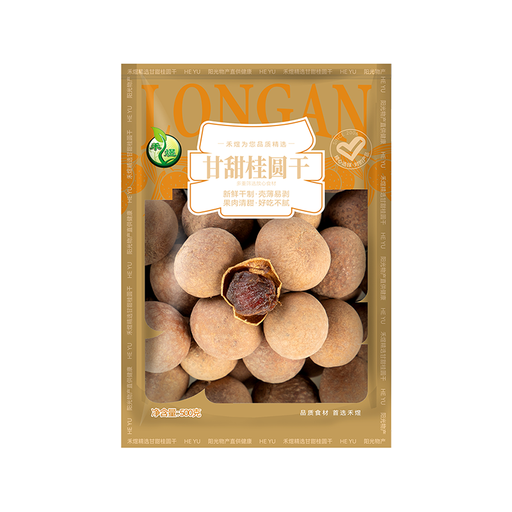
Why it suits this profile: A large bag for anyone who regularly uses dried longan in tea, porridge or soup.
The preparation instructions state that washing and cooking are required, so you’re buying it for the right intended use.
500 grams, with no fat or salt listed per 100 grams, and suitable for several uses.
If you prefer to combine several varieties, options include:
Within Asian snacks and Turkish snacks, it’s also worth comparing the ingredients, net quantity and allergens side by side. A variety containing sugar or herbs isn’t directly comparable with a plain product.
We’ve put together a complete, up-to-date list of products that fully meet these strict selection criteria and the applicable European safety regulations.
Store them in a cool, dry place away from direct sunlight. Seal the packaging properly or use an airtight storage container. Check the specific instructions and best-before date on each pack.
No. Both salted and unsalted roasted nuts are available. Check the ingredients to see whether salt, oil or other flavourings have been added. The product name alone doesn’t always show the full composition.
For a household that snacks daily or cooks regularly, 500 grams or 1 kilo may be practical. For taking on the go, keeping at the office or trying a product for the first time, packs of 100 to 250 grams are often easier to manage. With larger bags, pay particular attention to resealability and storage.
