
Vandaag of morgen in huis

Kwaliteit gegarandeerd

Welkomstaanbiedingen ontgrendelen: GRATIS bezorging | Tot 80% korting | Gratis 30 dagen JoyPlus-proefperiode
Download de app
When you want to buy nuts and seeds online, you’ll quickly come across dozens of varieties: plain, roasted, spiced, sweetened, in a nut mix or individually packed. The differences aren’t just about flavour. The ingredients list, quantity, allergen information and shelf life all determine whether a product suits your needs.
A large bag isn’t automatically better value. Always compare the net weight and, if available, the price per 100 grams. A 100g or 120g pack can be handy for on the go, while 500g makes more sense for a family, baking recipes or regular use.
Check the full ingredients list. Roasted sunflower seeds, for example, may only contain sunflower seeds and salt, whereas a flavoured version might also include sugar, sweeteners, oil, flavourings or an antioxidant. With spiced snacks, the salt content can also vary widely.
Nuts, peanuts, sesame, soya, milk and gluten often appear on the same production line. So don’t just look at the front of the packaging – check the allergen declaration too. If you have an allergy or intolerance, “may contain traces of” is relevant information, not a minor detail.
Start with the first ingredients. If it says sunflower seed ≥80%, then the bulk of the product is sunflower seeds. For g’woon Sugar Peanuts, the product information states the composition is 59% peanuts and 33% sugar, supplemented with sunflower oil and glucose syrup. That’s a very different type of snack from unsalted cashews or plain walnuts.
Then compare per 100 grams:
Use nutritional values as a comparison tool, not as a medical promise. Brand claims about properties or product effects are not established facts; always check the packaging and official product information for that.
Sunflower seeds, pumpkin seeds, pine nuts, walnuts, cashews, pistachios and macadamia nuts each have different uses.
With flavoured products, watch out for extra ingredients. ChaCha Sunflower Seeds with cheese flavour contains, according to the product information, cheese powder, sugar, sweeteners and salt. The product contains milk and may contain traces of nuts, peanuts, soya, wheat and sesame.
For snacks on the go, small portions are practical. ChaCha Daily Nuts comes in five 23g sachets. This stops you from having to open a large pack repeatedly and makes it easy to take to work, school or on the train.
A large format, such as 500g, is better suited for sharing or regular cooking. Seal opened nuts and seeds tightly and store them according to the label in a cool, dry place away from sunlight. For products with a short freshness indication, check the date on the packaging. A brand’s general freshness claim should not be confused with a guarantee for every individual pack.
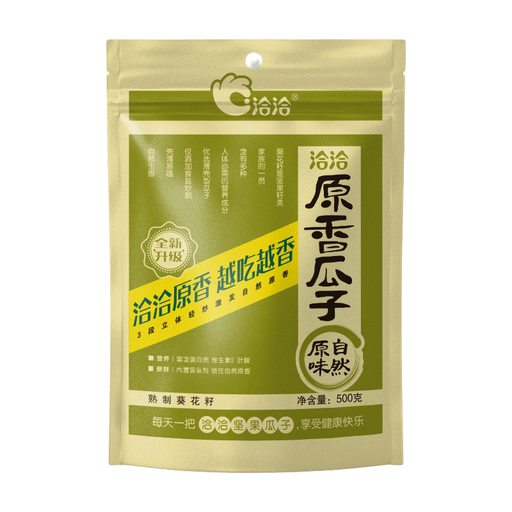
Why this suits the profile: The 500g pack is ideal for sharing at home or using regularly as a snack. The product information lists sunflower seeds and salt as ingredients.
The net weight is clearly stated, making it easy to compare this bag with smaller portions or flavoured varieties.
500g content, ready to eat and, according to the product information, no declared allergens.
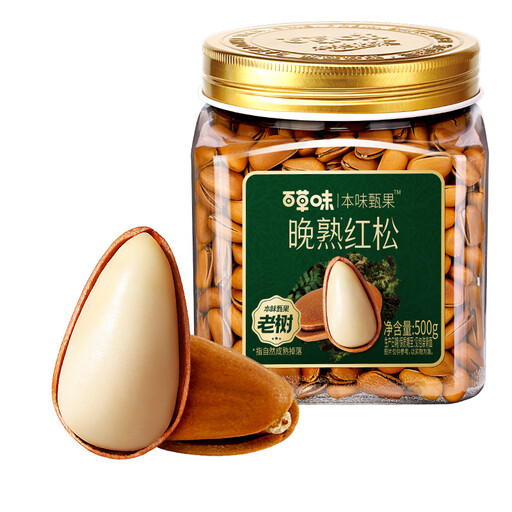
Why this suits the profile: These pine nuts are designed for anyone who wants one product for snacking, salads, baking and garnishing.
The product information states a minimum of 95% pine nuts and lists palm oil separately, so the composition remains verifiable.
500g content, lightly roasted and suitable for salads, pesto, baking and eating straight away. Contains pine nuts as an allergen.
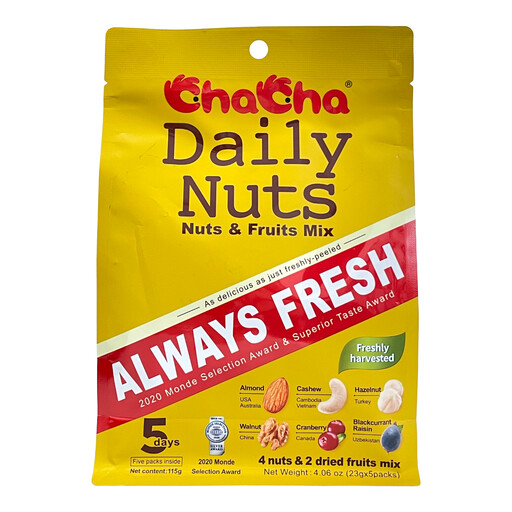
Why this suits the profile: The five individual sachets are convenient for the office, travel, lunchboxes and other occasions where a fixed portion is desired.
The portion size is clearly stated on the product packaging: 23g per sachet. This means you don’t have to scoop from a large bag each time.
Mix of walnuts, cashews, almonds, hazelnuts, raisins and cranberries; five individual portions in one pack.
We’ve put together a full, up-to-date list of products that fully meet these strict selection criteria and comply with current European safety regulations.
Small, individually packed portions are practical. ChaCha Daily Nuts contains five 23g sachets. Chestnuts in individual portions or a compact bag of pistachios can also be handy. When travelling, make sure the packaging seals properly and keep the product out of direct sunlight.
Store opened nuts and seeds in a cool, dry place, tightly sealed. This limits exposure to moisture, heat and air. Always follow the instructions on the packaging. For products like pine nuts and walnuts, it’s wise to check the best-before date and smell extra carefully after opening.
Yes, several types can be used as baking nuts. Walnuts and cashews work well in biscuits, bread and cakes. Pine nuts are suitable as a garnish or in savoury recipes. Pumpkin seeds and sunflower seeds add extra texture to salads, granola and bread. With salted or flavoured varieties, be aware of how the salt, sugar and spices will affect your recipe.
