
Same-day & Next-day Delivery

Quality Guaranteed

Unlock Your Welcome Offers: FREE Delivery | Up to 80% OFF | Free 30-day JoyPlus trial
Download the APP
Are you looking to buy nuts and seeds for home, the office, on the go, or for a party? The choice might seem straightforward, but packaging can often give an incomplete picture. A large bag isn't always the best value, “natural” says nothing about the salt content, and an appealing flavour variant may contain more sugar, oil or additives than you'd expect.
With this practical guide, you can focus on what really matters: ingredients, nutritional values, portion size, packaging and when you'll use them.
A 500 g or 1 kg bag can be handy for a family, for baking, or for regular snacking. But if you only eat a handful now and then, the contents may stay open for longer. Nuts and seeds can lose their crunch as a result. Always check the best-before date, the seal and the storage instructions.
Nuts naturally contain fats and are energy-dense. That in itself isn't a judgement on the product. The difference often lies in how they're prepared. So compare unsalted nuts, salted nuts, roasted varieties and seasoned snacks using the nutrition table.
Pay particular attention to:
In mixed nuts, one ingredient can make up a large part of the pack. A product might list several types, but the percentages of each nut can vary. If you're specifically after almonds, pistachios, walnuts or macadamias, it's worth checking the quantitative ingredient declaration.
For a simple snack, choose a short ingredients list. According to the product information, the Anatolia Badem Natural consists of 100% almonds. It's different for seasoned products. The Hui Ji Salted Dry Peanuts list peanuts, salt, spices and various additives on the label.
Have an allergy? Always check the current packaging. Even a product with a single main ingredient may carry a warning that it has come into contact with other nuts, peanuts, gluten or sesame.
Salted nuts and seeds are fine if you're deliberately after a savoury taste, but compare the salt content. The Anatolia salted pumpkin seeds list 3.5 g of salt per 100 g; the Anatolia unsalted sunflower seeds list 0.016 g per 100 g. That's a clear difference within the same broad snack category.
With flavoured varieties, sugar and flavourings can be added. According to the product description, Koh-Kae peanuts with coconut cream flavour contain sugar, coconut cream powder, wheat, oil and salt. That makes them suitable as a seasoned snack, not as a simple plain option.
For on the go or at the office, small portions are practical. The ChaCha Daily Nuts comes in 5 bags of 23 g, while a 500 g bag is better suited to families, baking or regular use. For cooking and baking, unsalted macadamias, cashews or almonds are often more versatile than heavily seasoned varieties.
Also consider the format:
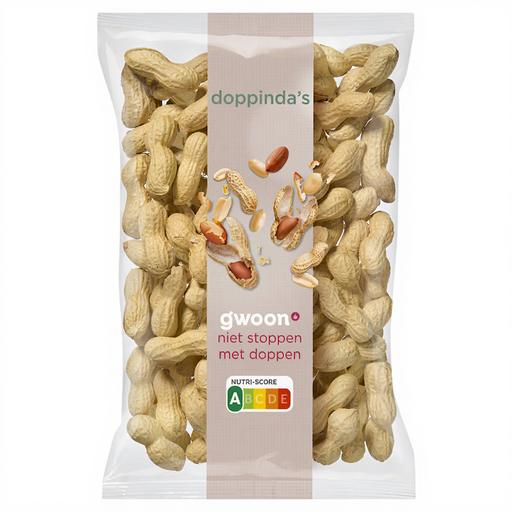
Why this fits the profile: A 500 g bag is suitable for sharing or regular home use. The peanuts are in the shell and the product lists peanut as the ingredient.
The ingredients list is simple: peanut. Do check for any mention of possible traces of other nuts.
500 g, 11 g of fibre and 29 g of protein per 100 g according to the product information.
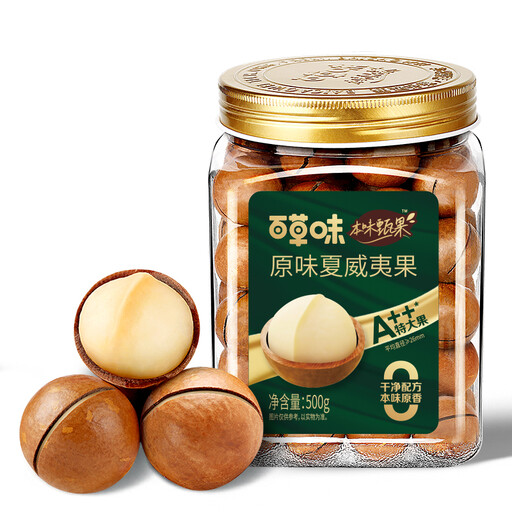
Why this fits the profile: This bulk pack is designed for macadamia lovers who want a natural product for snacking, baking or desserts.
According to the product description, the pack contains 100% macadamia nuts, with no added salt, sugar or spices.
500 g content and 0.1 g of salt per 100 g according to the stated nutritional information.
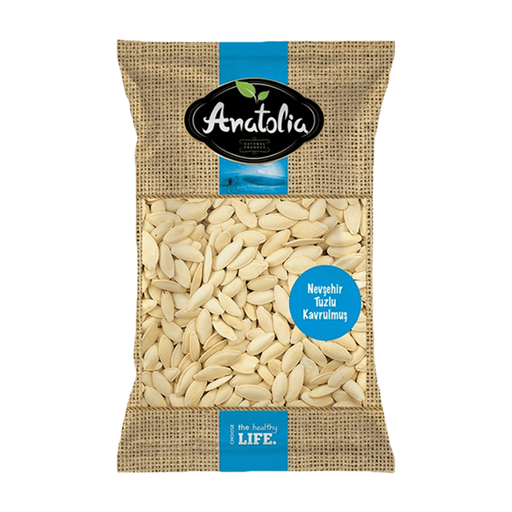
Why this fits the profile: A practical choice if you want to add seeds to salads, soup, bread or baked goods, and also want a roasted snack.
The packaging clearly states pumpkin seeds, salt and maize starch. The salt content is listed per 100 g.
340 g content, roasted and suitable for both snacking and use in recipes.
We've put together a full, up-to-date list of products that fully meet these strict selection criteria and comply with current European safety regulations.
A bulk pack often has a lower price per 100 g, but only if you use the contents in time and seal it properly. Small portions reduce waste and are more convenient for on the go or at the office. So compare the price per 100 g rather than just the total price.
Follow the storage advice on the packaging. In general, nuts and seeds should be kept cool, dry and out of direct sunlight. Seal an opened bag tightly and watch for changes in smell, taste or texture. Ideally, use an opened product within the period stated on the label.
Plain almonds, cashews, walnuts, macadamias and unsalted seeds are widely versatile. Pumpkin seeds and sunflower seeds work well in bread, salads and yoghurt. For recipes where you want to control the flavour yourself, unsalted varieties are usually more practical than seasoned or sweetened snacks.
