
Vandaag of morgen in huis

Kwaliteit gegarandeerd

Welkomstaanbiedingen ontgrendelen: GRATIS bezorging | Tot 80% korting | Gratis 30 dagen JoyPlus-proefperiode
Download de app
Nori seaweed is ideal for sushi, rice balls, onigiri and quick Asian snacks. However, seaweed sheets can vary significantly in size, texture, flavour and intended use. A budget pack may prove inconvenient if the sheets soften quickly, while a large pack is not automatically cost-effective if you only make sushi occasionally.
As a Joybuy Product Recommendation Officer, I filter product information against verifiable criteria. This makes it easier to identify which sushi nori best suits your kitchen, household or snacking routine.
A pack containing 50 or 100 sheets may sound appealing, but check the dimensions first. For example, Miyamoto Roasted Seaweed lists sheets measuring 19 × 21 cm. This size works well for sushi rolls, kimbap and wraps. Other packs mainly specify the number of sheets and the weight without providing the same dimensions.
For smaller portions or lunchboxes, smaller or pre-cut sheets may be more practical. So do not compare only the price per pack; also consider the price per sheet and the dimensions.
Yaki nori and roasted seaweed intended for sushi generally consist of thin, unseasoned sheets. They are designed to wrap around rice and fillings. Seasoned seaweed snacks often contain oil, salt, spices or flavour enhancers. This makes them suitable for eating straight from the pack, but less obvious as a sushi ingredient.
Check the ingredients list. With a product made exclusively from seaweed, such as some sushi nori packs, you have greater flexibility when cooking. With seasoned seaweed, the flavour and salt content may affect the rest of the dish.
Nori absorbs moisture from the air quickly. An opened pack in a kitchen cupboard can therefore become limp, particularly in a humid kitchen. Store seaweed sheets in a cool, dry place away from direct sunlight and heat. Reseal the pack securely after use and always follow the storage instructions on the label.
Individually portioned snacks also make usage more manageable: you only open what you need.
For classic sushi rolls, you will generally need a full sheet. For hand rolls, onigiri and rice balls, half a sheet or a smaller piece may be sufficient. Pay attention to:
A pack of 10 sheets makes sense when you want to try out a recipe. For families, parties or professional use, a pack of 50 or 100 sheets may be more efficient.
Read the ingredients list, even when the product name only mentions “seaweed”. Product information for various pure varieties lists 100% seaweed or roasted laver. Other options may contain salt, rapeseed oil, sesame oil, wasabi seasoning, teriyaki sauce or barbecue seasoning.
Pay particular attention to:
Allergen information on an online shop is a useful guide. If you have an allergy, always use the physical label as the final check.
Not every seaweed product is used in the same way.
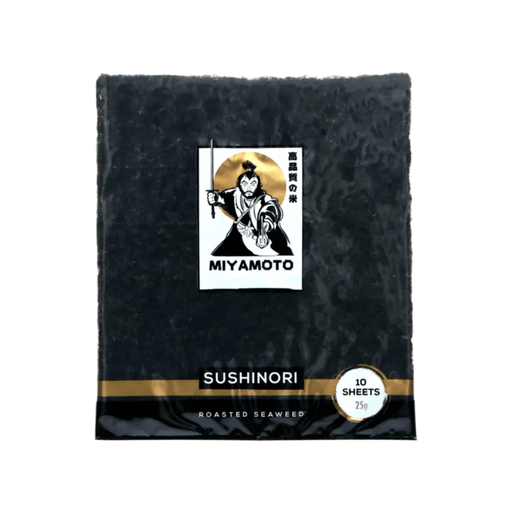
Why it’s a good fit: A manageable pack for anyone making sushi, hand rolls or rice balls at home for the first time.
With 10 sheets, you do not have to commit to a large supply before knowing how much you will use.
Roasted, 10 sheets and described as suitable for sushi, rice balls and snacks.
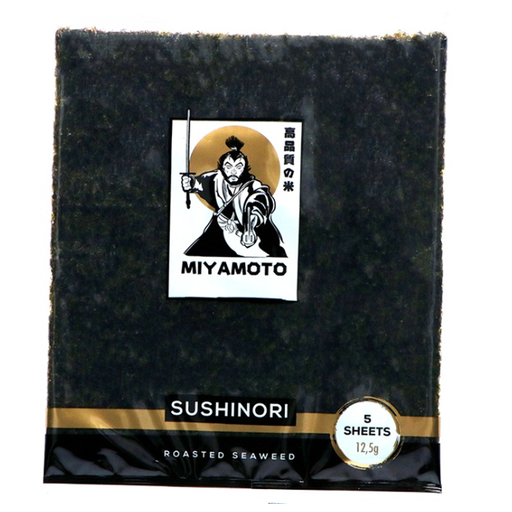
Why it’s a good fit: For home cooks looking for a small pack of 100% roasted seaweed.
The ingredients list states 100% seaweed, with no oil or seasonings mentioned.
12.5 g pack; described as suitable for sushi, rice balls and garnishing.
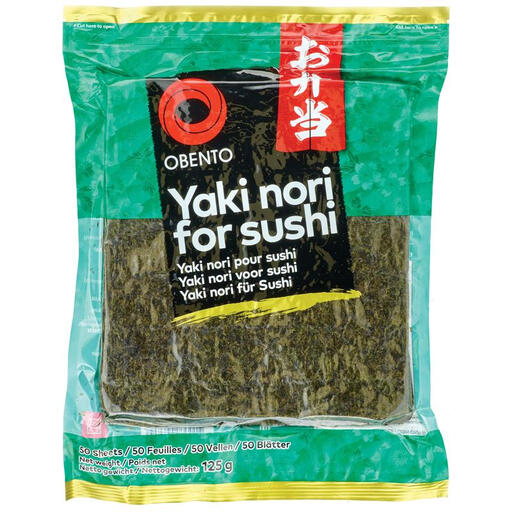
Why it’s a good fit: Convenient for regular sushi nights, lunchboxes, parties or professional use.
The quantity is clear: 50 roasted sheets rather than just an unclear net weight.
125 g, 50 sheets and ingredient information listing seaweed as an ingredient.

Why it’s a good fit: A convenient option for anyone who wants to enjoy crispy seaweed straight from the pack.
The product information explicitly lists salt, white pepper, oil and flavour enhancers, so the flavour is not neutral.
32 g pack, Porphyra yezoensis according to the description and suitable for direct consumption.
Browse a current selection of seaweed products for rice rolls, sushi, onigiri and other uses. Always check the current product information and label before purchasing.
Place the sheet with the rough side facing upwards when adding rice; the correct method may vary by recipe. Use cooled sushi rice, as warm or moist rice will soften nori more quickly. For onigiri, wrap the seaweed around the rice ball just before eating if you want to preserve more of its crispness.
Store opened nori in an airtight container. Do not use damaged packaging and check the best-before information on the pack. For dried wakame or other seaweed intended for cooking, follow the specific preparation instructions; these products are not always ready to eat.
No. Nori is usually processed into thin seaweed sheets for sushi, onigiri and snacks. Wakame is generally sold dried, soaked and used in soup, salad or hot dishes. Check the preparation instructions before using the product.
This depends on moisture, packaging and storage. Reseal the pack immediately after use and store it in a cool, dry place. Individually portioned packs can be practical when you use small amounts at a time. The best-before date and instructions on the label remain the deciding reference.
Choose roasted sushi nori in full sheets and check the dimensions. For occasional use, a pack of 5 or 10 sheets is often sufficient. If you regularly make sushi, kimbap or onigiri, consider packs containing 50 or 100 sheets. For snacking, seasoned or crispy varieties are more suitable than neutral yaki nori.
