
Vandaag of morgen in huis

Kwaliteit gegarandeerd

Welkomstaanbiedingen ontgrendelen: GRATIS bezorging | Tot 80% korting | Gratis 30 dagen JoyPlus-proefperiode
Download de app
Nido milk powder is popular with households that want to keep whole milk on hand without storing multiple cartons of fresh milk in the fridge. The powder is suitable for milk drinks, coffee, cooking, baking and desserts. Yet not all products with “milk” in the name are the same. If you only look at the packaging or a low price, you could end up buying a product that doesn’t suit your intended use.
This guide will help you tell the difference between Nestlé Nido milk powder, whole milk powder, instant milk powder and alternatives such as condensed milk.
Milk powder is dried milk that you add water to. Condensed milk is already in liquid form in a tin and may contain sugar or stabilisers. For example, Melkan sweetened condensed milk lists 43% sugar as an ingredient. That product is fine for coffee and desserts, but it isn’t intended as a direct substitute for unsweetened milk powder.
Always check the ingredients list. Nido products list whole milk powder among their ingredients. Some variants also list soya lecithin as an emulsifier.
A box of 12 x 900 g or 24 x 400 g can be practical for a large household, catering or a well-stocked pantry. For occasional use, however, a smaller pack may be more convenient. According to the product information, an opened pack must be sealed properly and may need to be stored in the fridge after opening.
Work out how much milk you actually use beforehand. A bulk pack of milk powder makes most sense when you regularly make milk drinks or use the product for cooking and baking.
Terms like “rich in calcium and protein” can vary by recipe and market. According to Nestlé’s product information, a 900 g Nido variant contains approximately 25 g of protein per 100 g. The exact nutritional values, allergen information and preparation instructions may differ from pack to pack.
Always check the physical label before using the product. The packaging is the definitive source for ingredients, nutritional values, shelf life and warnings.
If you’re looking for a creamy taste for coffee, milkshakes, desserts or baking recipes, you’ll usually want whole milk powder. The Nido products in this selection are based on whole milk powder and, according to the stated product data, contain approximately 26 to 28.2 g of fat per 100 g, depending on the variant.
A higher fat content can affect flavour and texture, but it also means a higher energy value. So compare the nutritional information table rather than just looking at the front of the pack.
Instant milk powder is designed to mix easily with water. The product information for different Nido variants mentions use with warm or cold water. For a 250 ml serving of one 900 g variant, for example, 32.5 g of powder is mixed with 225 ml of water.
Always use the ratio stated on your pack. Too much powder makes the drink heavy and can cause lumps; too little powder gives a thinner taste. A whisk, shaker or tightly sealed bottle can help with mixing.
Look out for these points before you check out:
Also note the difference between milk powder for drinking and milk powder for cooking and baking. A product may be listed for both uses, but the recommended ratio and preparation can differ.
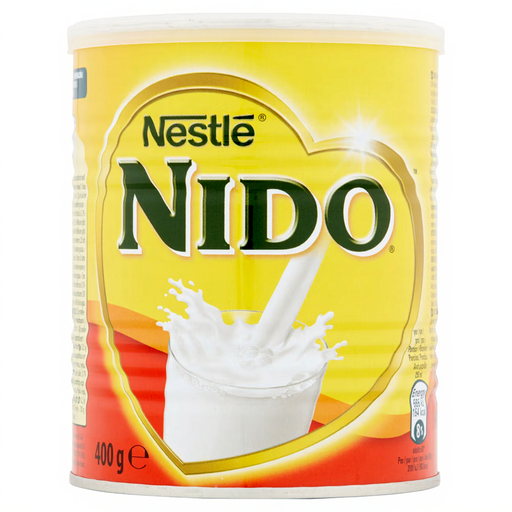
Why this fits the profile: The 400 g pack is a manageable size if you want to try Nido first or only use milk powder occasionally for drinks, coffee or a recipe.
A smaller quantity reduces the chance of a large supply staying open for too long. Do check the shelf life and storage advice on the label.
400 g pack; whole milk powder; according to the product information, suitable for hot and cold drinks, cooking, baking and desserts.
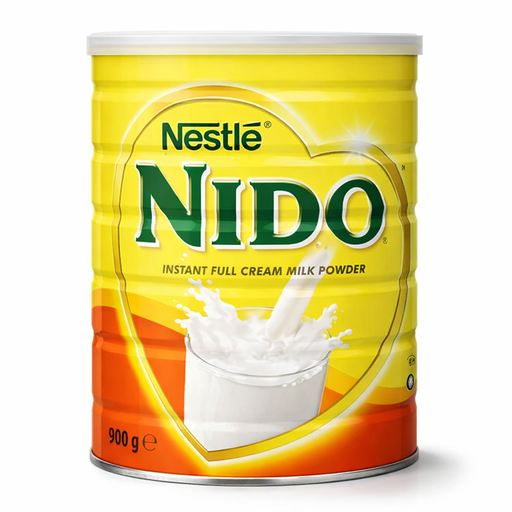
Why this fits the profile: This 900 g pack suits families who use milk powder regularly and value clear nutritional information and instant preparation.
The product information gives a specific mixing ratio: 32.5 g of powder with 225 ml of water for approximately 250 ml of drink. So you don’t have to guess the amount.
900 g instant milk powder; according to the stated data, 25 g of protein per 100 g; suitable for drinking, coffee, cooking and baking.
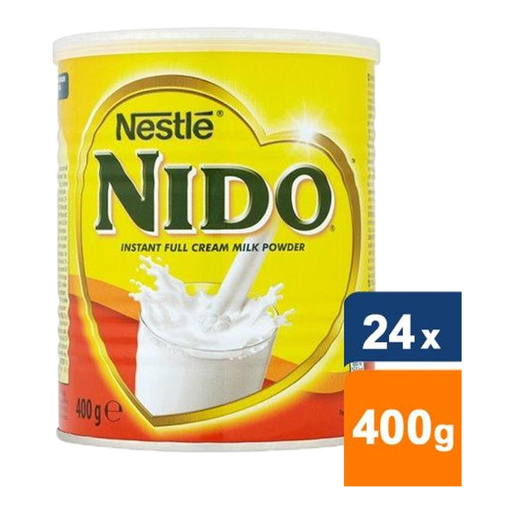
Why this fits the profile: A box of 24 individual 400 g packs is designed for frequent use, stock management and commercial or large household applications.
The portions stay divided per pack. This means you don’t have to keep exposing one very large opened bag to moisture.
24 x 400 g; whole milk powder; according to the product information, approximately 25.7 g of protein and 28.2 g of fat per 100 g.
We’ve put together a full, up-to-date list of products that fully meet these strict selection criteria and comply with current European safety regulations.
For a milk drink, mix the powder with the amount of water stated on the pack. Lukewarm or warm water usually dissolves more easily, but check whether the manufacturer also mentions cold water. Add the powder gradually and stir well to minimise lumps.
For coffee, milk powder can be made up directly or added in a small amount to the drink. When cooking and baking, the powder can be used in sauces, dough, desserts, smoothies and other recipes. Bear in mind the extra milk solids: the amount of liquid and powder can affect the structure of a recipe.
Nido is a milk product and not infant formula. If you have allergies, always check the full ingredients list. Product information on a web shop may differ from the actual packaging; the label is the definitive source.
The exact date is on the pack. Store unopened products according to the stated storage instructions in a cool, dry place. After opening, the pack must be sealed properly. Some product information advises storing the product in the fridge after opening and using it within the stated period.
The stated 900 g Nido variant is not suitable for children under 12 months, according to the product information. For babies, use only formula that is intended for that purpose and follow the instructions on the pack or the advice of a qualified healthcare professional.
That depends on your usage, the price per 100 g and the amount you actually get through. A 400 g pack limits your stock for occasional use. A 900 g pack is better suited to regular use. A box of 24 x 400 g can be practical for heavy or commercial use, but only if you can store the stock properly and use it within the stated shelf life.
