
Vandaag of morgen in huis

Kwaliteit gegarandeerd

Welkomstaanbiedingen ontgrendelen: GRATIS bezorging | Tot 80% korting | Gratis 30 dagen JoyPlus-proefperiode
Download de app
Mung beans are versatile Asian pulses, perfect for soup, porridge, curry, desserts and sprouting. However, not every packet is suited to the same purpose. If you only look at the green colour or a flashy health claim, you could end up with a product that takes too long to soften, is the wrong split, or isn't intended for sprouting at all.
As Joybuy's Product Recommendation Officer, I filter the most important product information based on practical points. This way, you can quickly see which mung beans suit your kitchen, store cupboard and cooking routine.
Whole green mung beans still have their skins and tend to hold their shape better after cooking. They are suitable for mung bean soup, porridge, curries and sprouting. Peeled mung beans generally soften more quickly and give a smoother result. Split mung beans are cut in half and are often used for porridge, desserts and creamy soups.
Product names aren't always clear. So, check for the words "whole", "peeled", "split" or the Dutch product description before you buy mung beans.
A mung bean cake may contain mung beans, but it isn't a bag of dried mung beans for soup or sprouting. The MUSHAN BASE Mung Bean Cake contains wheat flour, sweeteners and vegetable oil, among other things. The product is ready to eat, whereas dried mung beans need to be washed and cooked first.
So, pay attention to the preparation instructions: "ready to eat" means something different from "cooking required".
A label like organic, natural or free from artificial colours doesn't automatically tell you how the beans will behave during cooking. Always check:
With organic mung beans, it's also wise to check which organic certification mark or certification information appears on the packaging. A marketing term is no substitute for verifiable product information.
For mung beans for soup and mung beans for porridge, whole or split varieties are suitable. If you want a smooth purée or dessert filling, peeled mung beans can be more practical. For mung beans for sprouting, choose a product where the packaging or product description allows this use.
Whole beans are generally the most versatile choice. They can be soaked, cooked or used for sprouting. You might also like to browse the range of whole mung beans.
A packet of mung beans 400 g is suitable if you occasionally make soup, porridge or a small dish. For a household that cooks regularly, 454 g, 500 g or 1 kg can be better value per use. Just remember to store opened dried beans in an airtight container.
The range includes packets of 300 g, 400 g, 454 g, 500 g and 1 kg. So, don't just compare the price on the product page – also compare the price per 100 grams.
Dried mung beans are not ready to eat. Wash them first and cook them thoroughly according to the packet instructions. Some products recommend soaking for two to four hours; other instructions mention a longer soaking time for sprouting.
Nutritional values vary by brand and product. For example, the product information for HEYU Mung Beans states 23.2 grams of protein and 0 grams of salt per 100 grams. Sunlee Whole Mung Bean lists 23 grams of protein per 100 grams. Always use the nutrition table on the packaging as your guide, as values can differ between batches and brands.
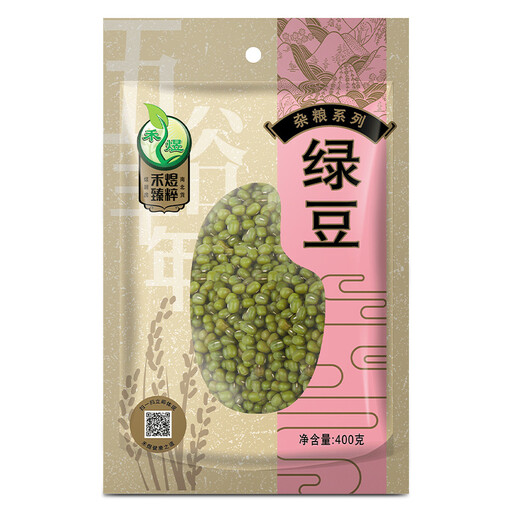
Why this fits the profile: A straightforward 400 g packet for anyone cooking with green mung beans for the first time at home, looking for a standard quantity.
The product description clearly states that cooking is necessary and advises washing, soaking and then cooking thoroughly until done.
400 g, single ingredient and, according to the label, 23.2 g protein per 100 g.
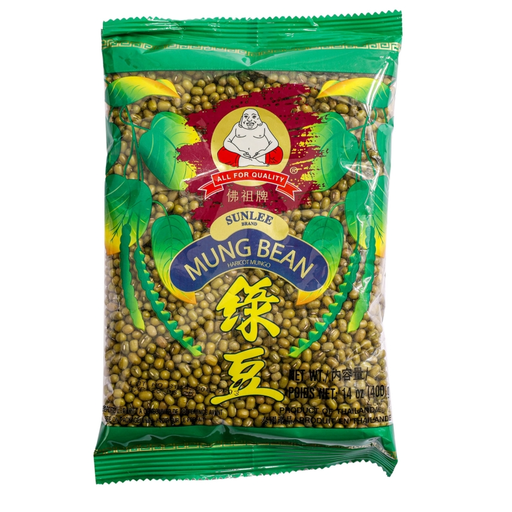
Why this fits the profile: Ideal for home cooks who want one store-cupboard staple for soup, porridge, desserts and sprouting.
The product description mentions whole mung beans and multiple uses. This makes the form clearer than a generic product name would.
400 g whole beans, single ingredient and, according to the label, free from the 14 major EU allergens.
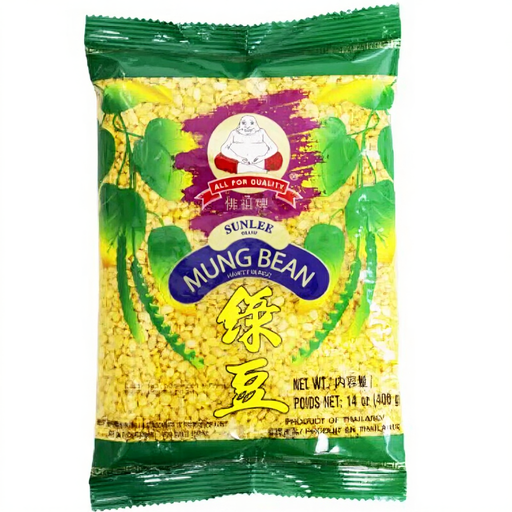
Why this fits the profile: A practical choice if you want a softer texture in porridge, desserts, soups or savoury dishes.
The name states both "peeled" and "split". So you know this isn't a whole mung bean and can adjust your preparation accordingly.
400 g, according to the product information rich in protein and fibre, with a firm texture for a variety of dishes.
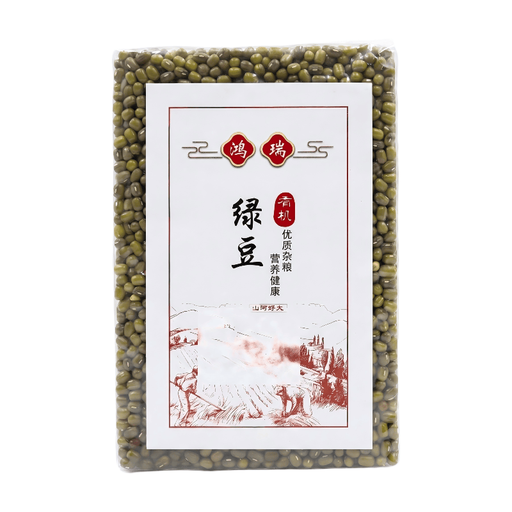
Why this fits the profile: Suits vegans, vegetarians and households that want a larger supply for meal planning.
The product description states 100% organic mung beans and gives a specific cooking ratio of three cups of water per cup of beans.
500 g, single ingredient and, according to the label, 21 g protein per 100 g; soaking for two to four hours is recommended.
Store unopened dried mung beans in a cool, dry place away from direct sunlight. Once opened, it's best to transfer them to an airtight storage jar. This limits exposure to moisture and pantry pests.
For soup, porridge and curry:
If you want to sprout mung beans, use a product where that use is suitable. Soak the beans, rinse them regularly and ensure a clean, well-draining environment. Always follow the instructions on the packaging.
We've put together a full, up-to-date list of products that fully meet these strict selection criteria and comply with current European safety regulations.
Not always. Soaking can reduce cooking time, but the right method varies by product. Check the packaging. For many whole mung beans, soaking for two to four hours is recommended; after that, they must be cooked thoroughly.
No, first check the product information. Whole mung beans are generally more suitable for sprouting than peeled or split varieties. Use clean equipment, rinse regularly and follow the manufacturer's preparation instructions.
Check the best-before date on the packaging and store the beans in a dry, cool, airtight place. Once opened, a sealed storage jar helps to limit moisture and contamination. Before use, check the beans for any unusual smell, moisture or damaged packaging.
