
Vandaag of morgen in huis

Kwaliteit gegarandeerd

Welkomstaanbiedingen ontgrendelen: GRATIS bezorging | Tot 80% korting | Gratis 30 dagen JoyPlus-proefperiode
Download de app
Would you like to buy multivitamins, but find it difficult to work out which formulation suits you from the many options available? A daily multivitamin comes as a tablet, capsule, gummy, effervescent tablet or chewable tablet. However, a long ingredients list does not automatically mean that a product is right for your situation.
The key question is not which pack makes the biggest promises, but which dosage, target group and format suit the way you intend to use it. Below, we compare the main points to consider and some popular options at a glance.
Terms such as “high dose” or “extra strength” may sound appealing, but more is not necessarily better suited to your needs. Check the amount of each nutrient and its percentage of the reference intake (RI). Pay particular attention to products that combine several supplements, such as a multivitamin alongside separate vitamin C, vitamin D or magnesium supplements.
According to Davitamon’s product information, a high amount of vitamin C may cause mild gastrointestinal discomfort in sensitive individuals. You should therefore stick to the recommended daily dosage.
Two multivitamins may both be called “A-Z”, while the amounts of vitamin D, B12, iron, calcium and magnesium differ considerably. Do not just look at the number of vitamins. Also check:
Claims about energy, immunity, bones or hormonal balance should be understood as permitted nutrition claims. They do not mean that a supplement prevents or treats a disease.
A large tablet can be inconvenient if you have difficulty swallowing. Effervescent and chewable tablets are practical alternatives. Gummies may taste pleasant, but they sometimes contain sweeteners and do not always have the same broad formulation as a tablet.
Also consider the actual length of use. A pack containing 60 tablets lasts 60 days when taking one tablet per day, but only 30 days when taking two chewable tablets per day.
First choose a product that suits your diet and stage of life. A multivitamin for adults often contains a broad combination of vitamins and minerals. There are also separate formulas for adults aged 50 and over, containing ingredients such as vitamin D, B12, calcium and magnesium.
Check whether the nutritional values apply to one tablet or to a full daily dosage. With Dagravit Multi+ Total 30, for example, the formulation varies depending on whether you take one to three dragees per day. This has a significant effect on the amount of vitamins and minerals.
A multivitamin for over-50s may be suitable for men and women aged 50 and over, while a formula for men or women may contain additional ingredients or different proportions. A product for women going through the menopause may also contain plant extracts. According to Davitamon’s product information, the menopause formula contains Cimicifuga racemosa, among other ingredients. No specific health claims are made for this ingredient; check the warnings carefully.
If you want to buy a vegan product, check the product’s vegan designation. Some Lucovitaal 50+ variants are listed as vegan, while other products are not.
For anyone who does not want to swallow tablets, there are vitamin effervescent tablets, gummies and vitamin chewable tablets. For sugar-free products, check which sweeteners have been used. “Sugar-free” does not automatically mean free from sweeteners or carbohydrates.
An effervescent tablet must dissolve completely in a glass of water. For chewable tablets, the recommended amount for adults is sometimes two tablets per day. Always read the label and instructions for use.
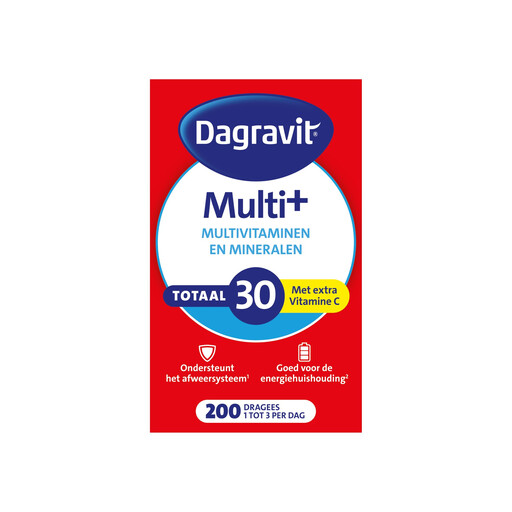
Why it suits this profile: The pack contains 200 dragees and is intended for adults and certain age groups from the age of 4, according to the product information. This makes it a practical option for households that want to use one type of product.
The formulation and variable daily dosage are listed for one to three dragees. This allows you to compare the amount before buying.
200 dragees; according to the product description, free from lactose and gluten and without preservatives, flavourings or colourings.
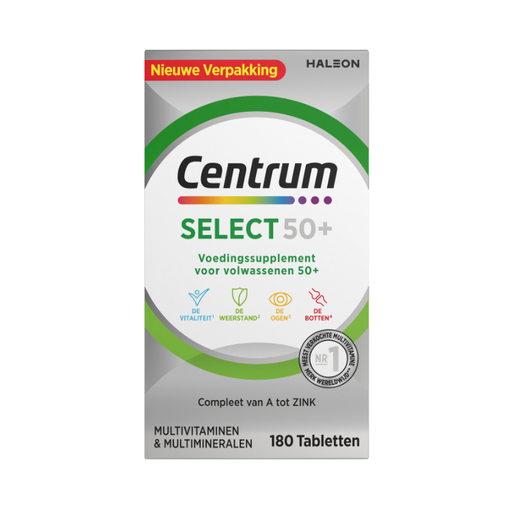
Why it suits this profile: According to the product information, this variant was developed for men and women aged 50 and over and is taken as a daily tablet.
The target group, dosage format and contents of 180 tablets are clearly stated. This helps you calculate how long the pack will last.
180 tablets; according to the product listing, gluten-free and lactose-free and suitable for daily use by over-50s.
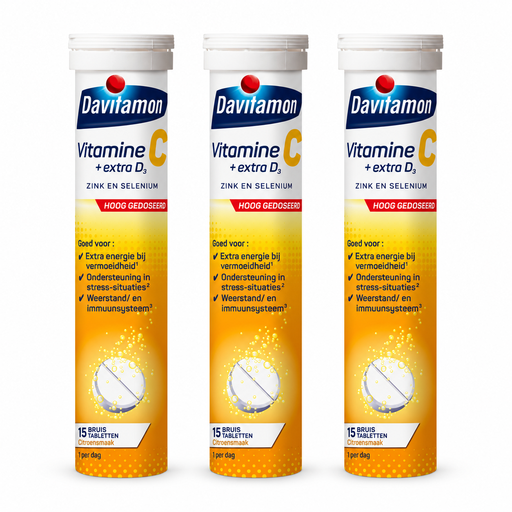
Why it suits this profile: Suitable for adults who specifically want to combine vitamins C and D with zinc and selenium in an effervescent format.
The formulation lists the amounts per tablet: 600 mg vitamin C, 5 µg vitamin D3, 55 µg selenium and 10 mg zinc.
15 effervescent tablets per box, with three boxes in the pack; according to the product information, sugar-free, lactose-free and gluten-free.
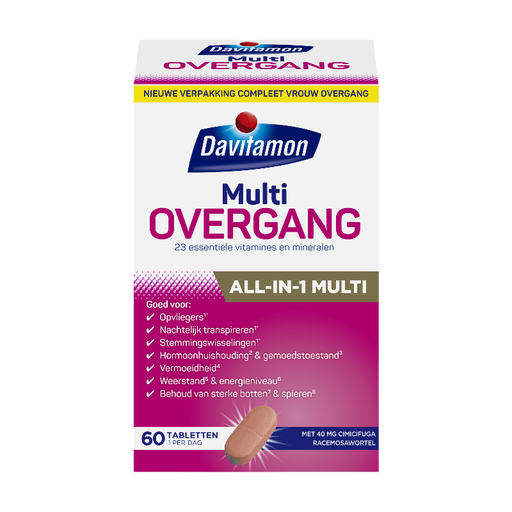
Why it suits this profile: According to the manufacturer, this multivitamin has been formulated for women during the menopause and contains Cimicifuga racemosa alongside vitamins and minerals.
The target group, dosage of one tablet per day and warnings relating to pregnancy, breastfeeding, liver problems and medication use are listed separately.
60 tablets; according to the product information, contains vitamin D3, calcium, magnesium, iron, zinc and selenium, among other ingredients.
We have put together a complete, up-to-date list of products that fully meet these strict selection criteria and the applicable European safety regulations.
The expiry date is shown on the packaging. Additional storage instructions may apply after opening. Store the product in a dry, dark place and out of the reach of young children. Do not take a higher dose than stated on the label.
Not always. Children, pregnant women, breastfeeding women and people taking medication may need a tailored formulation. Products containing iron, vitamin K, iodine or plant extracts require extra care. If in doubt, consult a doctor or pharmacist.
No. Vegan refers to the origin of the ingredients and says nothing about sugar or sweeteners. Check the claims “sugar-free” and “no added sugars” separately, along with the ingredients list.
