
Vandaag of morgen in huis

Kwaliteit gegarandeerd

Welkomstaanbiedingen ontgrendelen: GRATIS bezorging | Tot 80% korting | Gratis 30 dagen JoyPlus-proefperiode
Download de app
When you’re looking to buy muesli online, you’ll quickly come across terms like crunchy muesli, granola, sugar-free, high-protein and high-fibre. However, these words don’t tell the whole story. A crunchy texture, for example, can come with extra oil or syrup. And “no added sugar” doesn’t automatically mean a product is low in sugar.
As a Joybuy Product Recommendation Officer, I filter product information based on verifiable points. This way, you can make meaningful comparisons in the Netherlands and avoid letting an attractive packet outweigh the ingredients list.
A product with 0 g of added sugar can still contain natural sugars, for instance from dried fruit. Always check the nutritional values per 100 g as well as the ingredients list.
B+ Muesli Nuts and Fruit states 0 g of added sugar in its product information. At the same time, the nutritional values show 20.8 g of sugars per 100 g. This is consistent with the dried grapes and apricots it contains. So this product is not the same as a sugar-free one.
Similarly, Quaker Cruesli Zero Sugar products are described as having no added sugars or sweeteners, while naturally occurring sugars may still be present.
A high fibre content can be appealing as part of a high-fibre breakfast, but check where those fibres come from. Some crunchy mueslis, for example, contain chicory root fibre or soluble maize fibre alongside wholegrain cereals.
So compare:
A product may look modest per serving, while the values per 100 g are clearly higher.
Granola and crunchy muesli are often toasted. This gives them a firm bite, but it can also mean that oil, syrup or sugar has been added to the recipe. For Quaker Cruesli Multifruit, the product information lists glucose syrup, sugar, honey and sunflower oil. The nutritional values come out at 462 kcal and 18 g of fat per 100 g.
That doesn’t make the product unsuitable, but it is relevant when you’re comparing calories, fats or sugar. A standard muesli or porridge oats often contains fewer ingredients and is easier to supplement yourself with fruit, yoghurt or nuts.
Ingredients are listed in descending order. If wholegrain oats or wholegrain wheat appear near the top, they form a significant part of the base. Also look out for terms like wheat flour, rice flour, glucose syrup, honey and sunflower oil.
For a simple wholegrain breakfast, Zonnatura Organic Whole Wheat Oatmeal and Quaker Express Oatmeal are straightforward options. According to the product information, Zonnatura consists of wholegrain oat flakes. Quaker Express Oatmeal lists wholegrain porridge oats as an ingredient and is available in portion packs.
Use the values per 100 g to compare products fairly. Here are some examples from the product information provided:
High-protein muesli can be of interest to athletes or anyone wanting more protein in their breakfast. However, do check the overall composition: a high protein content can go hand in hand with relatively high energy, fat or ingredients like soya and wheat protein.
Always check the actual packaging with every purchase. Many products contain gluten, oats, wheat, nuts, peanuts, milk or soya. “Gluten-free granola” is also not the same as regular granola without wheat; check whether the product is actually labelled as gluten-free.
Holie’s Granola Glutenfree Peanut Chocolate lists gluten-free wholegrain oat flakes, but does contain peanuts and oats. B+ Muesli Nuts and Fruit mentions gluten-containing cereals, hazelnuts and almonds.
B+ describes the muesli as organic. Check the organic certification mark and the actual packaging upon delivery. A brand or product description is no substitute for the information on the label.
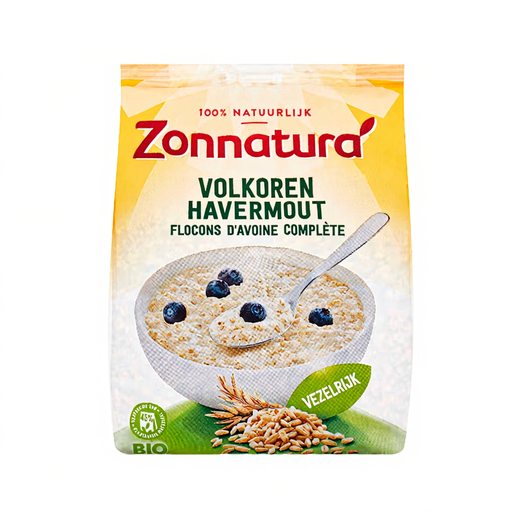
Why this fits: A simple base for a warm breakfast or overnight oats, with no dried fruit or nuts in the ingredients list.
The ingredients list is short, and the product information shows 1.7 g sugar and 11 g fibre per 100 g.
100% organic wholegrain oat flakes according to the product description; 11 g protein per 100 g.
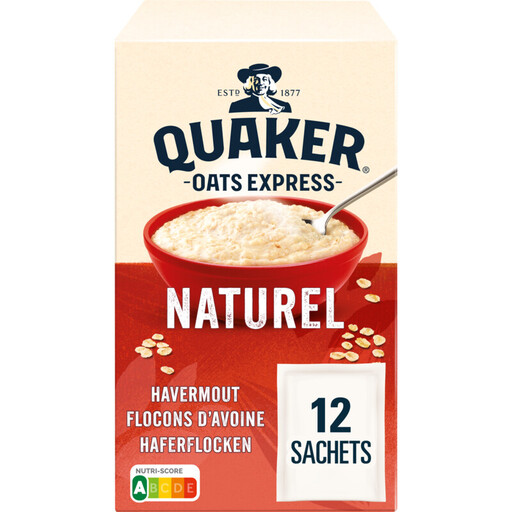
Why this fits: Handy for workdays: 12 portion packs and, according to the product information, ready in about 2 minutes.
The product information lists only wholegrain porridge oats as an ingredient, with possible traces of soya, barley and wheat.
1 g sugar, 9 g fibre and 11 g protein per 100 g; no salt according to the product table.
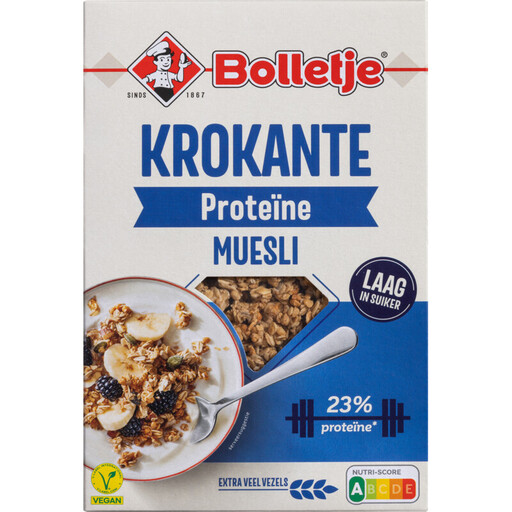
Why this fits: Suitable if you’re specifically watching your protein and fibre intake and want a crunchy texture.
The packaging claims are backed up by concrete values: 23 g protein and 11 g fibre per 100 g.
Contains oats, protein-rich crispies, seeds and roasted almonds; 5 g sugar per 100 g.
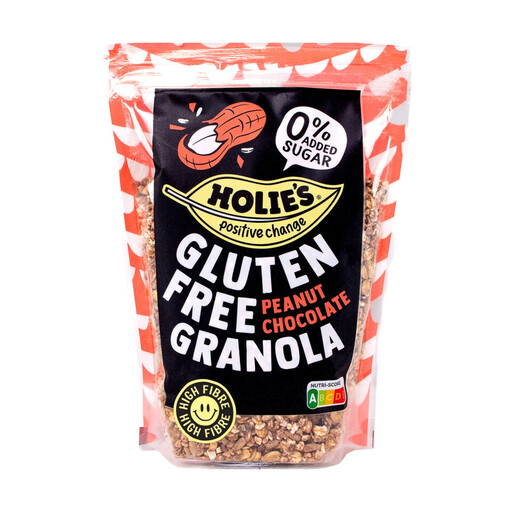
Why this fits: An option for anyone looking for a gluten-free granola with peanut and cocoa.
The product information mentions gluten-free wholegrain oat flakes, but also lists peanut as an allergen. Check the actual packaging.
4 g sugar, 14 g fibre and 15 g protein per 100 g; contains no added sugar according to the list.
Browse a current selection of oat-based breakfast cereals and compare ingredients, nutritional values, flavours and pack sizes before you order.
The right amount depends on your diet and the rest of your breakfast. Manufacturers often use 40 to 45 g as a sample serving. Weigh out a portion the first time, especially with crunchy muesli and granola. These products often provide more energy per 100 g than standard porridge oats.
No. Dried fruit can increase the amount of natural sugars. So check both “of which sugars” and “added sugars”. Products with sweeteners can also still have a sweet taste, even when sugar is not prominent in the ingredients list.
Store muesli, granola and porridge oats in a dry, cool place away from direct sunlight. Seal the packaging tightly to prevent moisture and loss of crunch. Check the best-before date before use and do not use a product if the packaging is damaged.
