
Vandaag of morgen in huis

Kwaliteit gegarandeerd

Welkomstaanbiedingen ontgrendelen: GRATIS bezorging | Tot 80% korting | Gratis 30 dagen JoyPlus-proefperiode
Download de app
Choosing a motion detector seems simple until you see the options. Are you looking for a basic light that turns on when you need to go to the bathroom at night? Or a complete system that alerts you when a door opens? The wrong choice can lead to unnecessary costs or a solution that doesn't solve your problem. This article will help you find the right specifications for your situation, without the marketing jargon.
Before you choose a product, it's helpful to know which features matter. The specifications determine where and how you can use a sensor.
Based on various applications, we have selected a few products. The focus is on specifications and intended function.
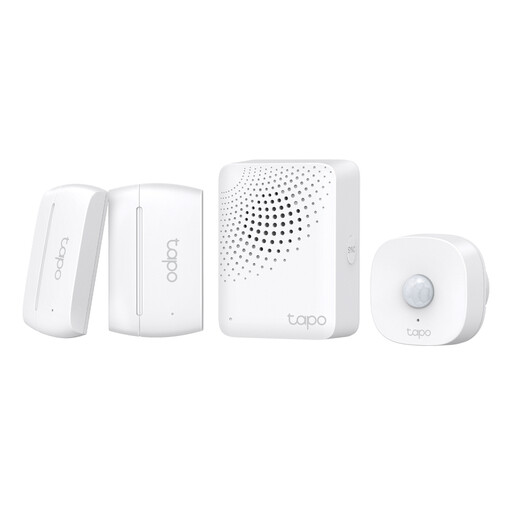
Why this product This kit is a starting point for a smart security network. It includes not only a motion sensor but also a door and window sensor. Everything is centrally managed via the Tapo Hub and its companion app. This makes it an expandable system for those who want more than just automatic lighting.
Pros
Who is this for? For homeowners or renters who want to set up an affordable and expandable alarm system. It's ideal if you already have other smart devices or plan to further automate your home for security and convenience.

Why this product This outdoor light with a sensor combines high light output with the efficiency of solar power. It's a robust solution for illuminating driveways, gardens, or dark corners around the house, without needing an electrician.
Pros
Who is this for? For anyone looking for a powerful and durable form of outdoor sensor lighting. It's a practical solution for increasing safety and visibility around the home, especially in places where a power connection is not available.
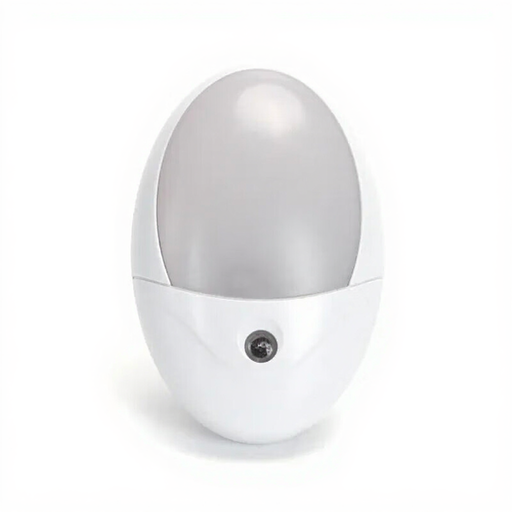
Why this product This night light with a sensor is the definition of simplicity. You plug it into the socket, and it does its job. It provides a soft, warm light as soon as it detects motion in the dark, making it an effective solution for finding your way at night.
Pros
Who is this for? Ideal for families with young children, the elderly, or anyone who wants to navigate their home safely at night without turning on the main lights. Perfect for the hallway, landing, bedroom, or toilet.
The products above offer solutions for specific situations: a smart security system, powerful outdoor lighting, and a simple night light. If your situation calls for a different type of sensor, a different design, or specific technical features, there are more possibilities.
Explore our full range of Light Sensors for more choices.
1. How does a motion detector work exactly? Most models for home use are passive infrared (PIR) sensors. They measure the infrared radiation (heat) in their environment. When a person or animal moves through the detection field, it causes a rapid change in the heat radiation, which activates the sensor.
2. What is the difference between a motion detector and a dusk-to-dawn sensor? A motion detector responds to movement. A dusk-to-dawn sensor responds to the amount of ambient light; it switches on when it gets dark and off when it gets light again. Many products, especially outdoor lights, combine both: the dusk-to-dawn sensor ensures the device is "active" at night, and the motion detector actually switches the light on upon detection.
3. Can a motion detector be triggered by pets? Yes, standard PIR sensors can be activated by the body heat of pets. Some more advanced (and often more expensive) alarm systems have 'pet-friendly' sensors that ignore objects below a certain weight or size. For simple sensor lighting, this is usually not an adjustable option.
