
Vandaag of morgen in huis

Kwaliteit gegarandeerd

Welkomstaanbiedingen ontgrendelen: GRATIS bezorging | Tot 80% korting | Gratis 30 dagen JoyPlus-proefperiode
Download de app
Do you want to buy mochi ice cream, but find yourself lost among Japanese desserts and Asian snacks, unsure which pack is right for you? The difference isn’t just about flavour. The storage temperature, allergens and portion size are what really determine whether your purchase is practical.
Mochi consists of a soft, elastic outer layer of glutinous rice dough with a filling. With mochi ice cream, the filling is ice cream; daifuku and other mochi usually contain a sweet paste, cream or fruit filling. If you only look at an appealing flavour name, you could end up choosing a product that isn’t suitable for the cupboard, or one that’s too large for a single treat.
Not every Japanese mochi is a frozen dessert. Frozen mochi must stay in the freezer, whereas soft rice cakes like Love Mochi matcha or azuki bean mochi are typically stored at room temperature. Always check the storage instructions section.
A 180-gram box might contain six pieces, while an 80-gram bag could have a different piece size. So look at the net weight and the number of pieces. For a family, guests or a tasting session, a multipack can be more practical than several individual boxes.
Mochi can contain milk, soya, sesame or traces of gluten, among other things. The allergen declaration varies by flavour. According to the product information, vanilla mochi ice cream contains milk; black sesame varieties may contain traces of gluten, soya, peanuts and nuts. Check the label and the current product page with every order, even if a previous pack seemed suitable.
Mochi ice cream usually states “keep frozen” and the product is handled and transported chilled. Koyuki states that the product is kept in a temperature-controlled environment from storage through to transport. That’s logistical product information, not a guarantee of the condition of every individual delivery. Check the packaging when it arrives.
A product like Love Mochi matcha is stored at room temperature according to the product description. This makes this type of mochi suitable for a cupboard or bag, whereas mochi ice cream needs space in the freezer.
Frozen rice cake can be firm straight from the freezer. For Koyuki black sesame, the instructions say you can take the product out of the freezer a few minutes before eating to let it soften slightly. Always follow the instructions on the packaging and never refreeze a product once it has been thawed.
If you want a soft, chewy snack with tea, then daifuku or regular mochi are a better fit. Kohyo Soy Cream Daifuku Matcha combines matcha with a soya filling and a soft rice cake. According to the product information, this variety must be thawed and then eaten immediately.
Mango mochi ice cream typically has a fruity profile. The Koyuki variety contains 34% mango purée according to the ingredients list and is supplied as six pieces weighing 180 grams in total. Vanilla is creamier and contains milk. Matcha often has a spicy, slightly bitter taste, but the sweetness and composition vary by brand.
Compare the nutritional values per 100 grams rather than just the box price. For example, Koyuki mango contains 156 kcal and 20 grams of sugar per 100 grams according to the stated information. Love Mochi matcha lists 326 kcal and 40 grams of sugar per 100 grams. These are verifiable values from the product information; the final choice depends on your portion and preference.
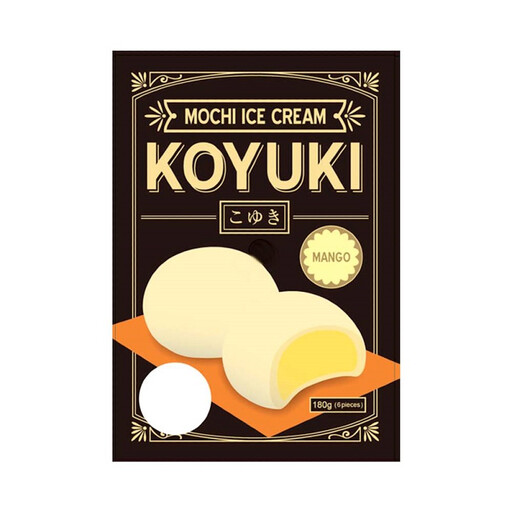
Why this fits the profile: A straightforward pack of six pieces with a recognisable fruit flavour is a practical way to get to know mochi ice cream.
The product clearly states the weight (180 grams), number of pieces (six) and that it should be stored in the freezer. This makes the portion size clear in advance.
34% mango purée according to the ingredients list; six individual portions; free from the 14 major EU allergens according to the stated allergen information.
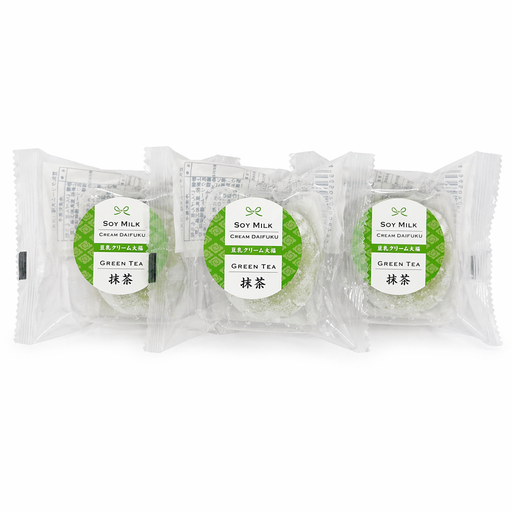
Why this fits the profile: Ideal for anyone looking for a matcha dessert with a creamy soya filling and Japanese origin, rather than classic ice cream.
The product information makes it clear this is daifuku: thaw first, then eat. So it won’t be confused with mochi ice cream.
Three portions of 60 grams; matcha powder in the ingredients list; origin stated as Japan.
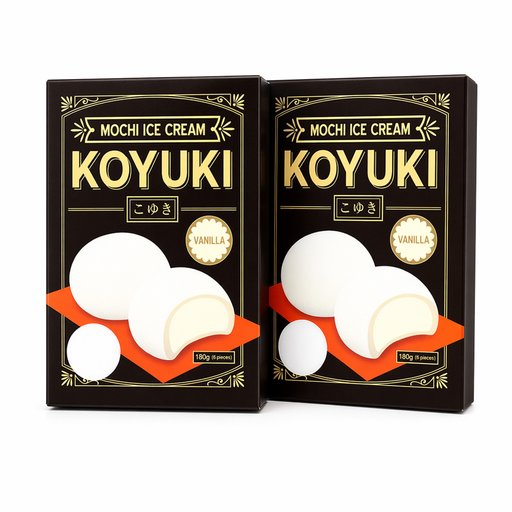
Why this fits the profile: The double pack suits regular use, a dessert moment with several people, or building up your freezer stash.
The multipack makes the number of available portions clear. The allergen information states milk, so the choice can be checked in advance.
Two packs of 180 grams; six pieces per pack; vanilla flavour with cream and milk powder according to the ingredients list.
We’ve put together a full, up-to-date list of products that fully meet these strict selection criteria and comply with current European safety regulations.
Store mochi ice cream straight in the freezer at the temperature stated on the packaging. Do not leave the product out of the freezer for long. According to the product instructions, a pack that has been thawed should be kept chilled and eaten within the stated period. Refreezing is not recommended.
Check the best-before information on the packaging. The date may vary by batch. Keep the product sealed and check that the packaging is intact upon receipt. If you are unsure about thawing, damage or the temperature, follow the instructions on the label or contact the seller.
Daifuku is a soft rice cake with, for example, red bean paste, matcha or soya filling. With mochi ice cream, the filling is ice cream. Both products have a chewy outer layer, but differ in storage, serving time and texture. So first check whether it says “keep frozen” or “store at room temperature”.
