
Vandaag of morgen in huis

Kwaliteit gegarandeerd

Welkomstaanbiedingen ontgrendelen: GRATIS bezorging | Tot 80% korting | Gratis 30 dagen JoyPlus-proefperiode
Download de app
Want to buy mochi, but overwhelmed by all the flavours, origins and pack sizes? The difference is not just in the taste. The filling, allergens, portion size, shelf life and storage instructions all help determine whether a pack is right for you.
As a Joybuy Product Recommendation Officer, I filter product information based on verifiable details. This helps you look beyond marketing language and make a more informed choice from Japanese mochi, Taiwanese snacks and other sweet Asian treats.
Mochi is closely associated with Japanese cuisine, but many products sold by Dutch online shops are made in Taiwan, China or other countries. That is not necessarily a problem, but it is useful information if you are specifically looking for Japanese snacks.
Always check:
For example, BAMBOO HOUSE Double Filling Strawberry Mochi lists Taiwan as its country of origin. The 55-gram Yuki & Love Dorayaki is also from Taiwan, even though dorayaki is a Japanese delicacy.
Words such as mango, strawberry, lychee or blueberry may refer to a flavour paste or flavouring. For example, the product information for BAMBOO HOUSE Double Filling Mango Mochi lists mango paste, while the ingredients also include maltose, sugar, coconut oil, milk ingredients and flavouring.
Therefore, check:
This makes it easier to decide whether you are looking for fruit mochi for the fruity taste, the soft texture or both.
Mochi has a sticky, elastic outer layer. Once opened, the texture can change if the packaging is not sealed properly. Some varieties recommend brief refrigeration for a fresher eating experience, while others should be stored in a cool, dry place.
Pay attention to the information on the packaging. Do not use a product if the seal is damaged, and keep the best-before date in mind. With soft snacks, “individually wrapped” is practical if you want to share a box or eat the portions over time.
The rice dough layer is usually made with glutinous rice flour. The filling then determines the flavour profile:
If you prefer a less sticky snack, you could also consider dorayaki, pudding jelly or other Asian desserts.
Check the allergens before buying, especially when ordering for several people. The available product information lists, among others, the following allergens:
According to the product information, Yuki & Love Azuki Bean Mochi contains soya. BAMBOO HOUSE Strawberry Mochi contains egg and milk. BAMBOO HOUSE Matcha Mochi lists sesame and red beans among its ingredients. Always check the current packaging, as labels can change.
Do not compare only the price per pack. Also look at the net weight and number of pieces. A 180-gram bag is handy for sharing, while a smaller pack is better if you want to try a flavour first.
Nutritional values vary between varieties. BAMBOO HOUSE Strawberry Mochi lists 332 kcal and 38.3 grams of sugar per 100 grams. Yuki & Love Azuki Bean Mochi lists 323 kcal and 47 grams of sugar per 100 grams. These figures apply to the complete product per 100 grams, not to each individual piece.
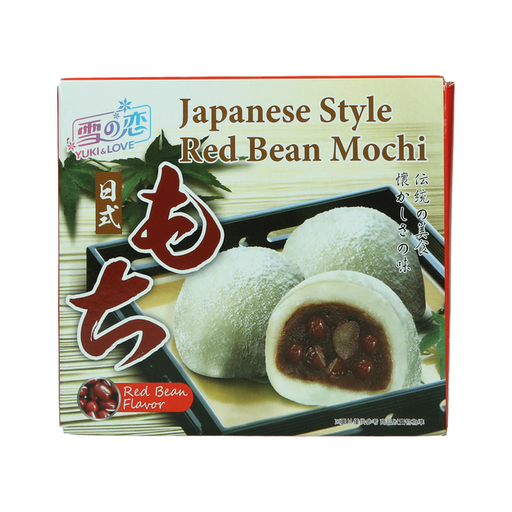
Why it suits this profile: A straightforward 140-gram pack with a classic red bean filling is ideal if you are trying mochi for the first time.
The product information lists the contents, allergens and nutritional values. This lets you check your choice rather than relying solely on the flavour name.
Red bean paste makes up 27% of the product; the pack weighs 140 grams and contains soya as a listed allergen.
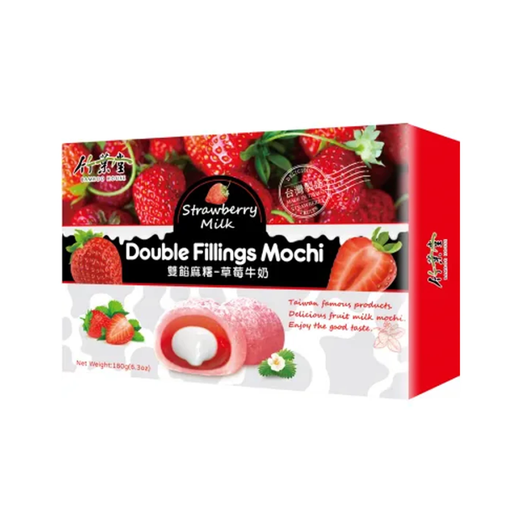
Why it suits this profile: The double filling and individually wrapped pieces make this a thoughtful snack for guests, a gift or a tasting session.
The product page states Taiwan as the origin, along with a double strawberry and milk filling and individual wrapping. This links the claims to specific product details.
180 grams, individually wrapped, with egg and milk listed as allergens. The nutritional value is 332 kcal per 100 grams.
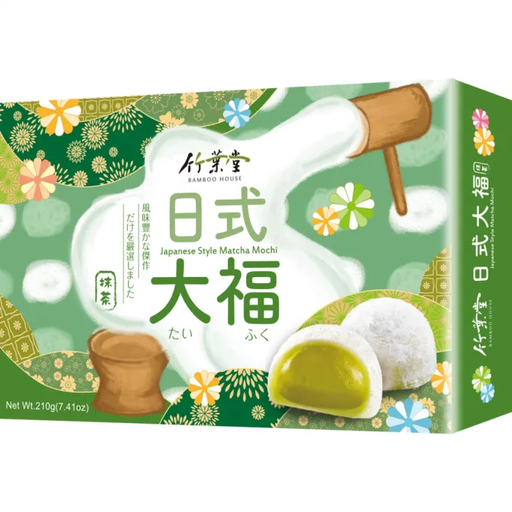
Why it suits this profile: The 210-gram pack is practical for regular sharing, for example with tea, coffee or at a dessert table.
Check the current packaging before ordering, as the available ingredients information lists red beans and sesame among other ingredients. This helps you avoid choosing based solely on the word matcha.
210 grams; per 100 grams, the product information lists 366 kcal, 72 grams of carbohydrates and 32 grams of sugar.
Mochi is not the only option if you want to try sweet Asian snacks. For a soft, chilled treat, Cocon Mixed Fruit Pudding Jelly and Lychee Pudding Nata de Coco are good choices. These products contain fruity flavours and nata de coco pieces, but should be refrigerated after opening.
Prefer a cake-like snack? Yuki & Love Mini Dorayaki Red Bean consists of soft cake with red bean filling. For a tropical flavour profile, Yuki & Love Mochi Pineapple & Coconut and the pineapple and mango variety are natural alternatives. If you are looking for a European pastry, you could also try the individually wrapped Bonne Maman Lemon Tarts. It is not mochi, but it is a practical sweet snack to share.
We have put together a complete, up-to-date list of products that fully meet these strict selection criteria and the applicable European safety regulations.
You can buy mochi online from shops offering Japanese and Asian products. Compare the origin, contents, allergens, storage instructions and best-before date before ordering. Also note the difference between Japanese mochi and Taiwanese Japanese-style mochi.
The exact shelf life is stated on the packaging. Mochi should generally be stored in a cool, dry place, away from direct sunlight and heat. Seal the packaging securely after opening. For chilled or soft varieties, follow the manufacturer’s specific instructions.
Individually wrapped varieties weighing between 180 and 210 grams are practical for guests, an office tasting or a dessert table. Choose several flavours, such as red bean, fruit, coconut and matcha, but check the allergens in advance when several people will be eating.
