
Vandaag of morgen in huis

Kwaliteit gegarandeerd

Welkomstaanbiedingen ontgrendelen: GRATIS bezorging | Tot 80% korting | Gratis 30 dagen JoyPlus-proefperiode
Download de app
Are you looking to buy mochi, but unsure which flavour, filling or pack size is right for you? The range spans from Japanese mochi and Taiwanese mochi to Thai sticky rice desserts and Korean topokki. The exterior can sometimes look similar, yet the texture, preparation and allergen information can vary significantly.
So don't just rely on words like "authentic", "creamy" or "premium". Instead, pay close attention to the ingredients list, storage instructions and the type of product. That way, you'll avoid a soft sticky rice snack turning hard at home, being too sweet, or not fitting your diet.
Not every mochi rice cake is a dessert. For example, topokki – also known as tteokbokki – is a savoury Korean rice snack with sauce. Yopokki Sweet and Spicy Topokki contains rice cakes and a spicy sauce, and is prepared in the microwave. This product is better suited to a quick savoury meal than to someone looking for a sweet mochi dessert.
A flavour name like matcha, mango or strawberry doesn't always tell you how much of that flavour is actually in the filling. So check the ingredients. In some products, the filling consists of fruit paste, milk components, sugar and flavourings. In other varieties, such as red bean mochi, red bean paste is clearly listed as part of the filling.
Mochi can dry out or lose its soft texture once opened. Individually wrapped pieces are handy for taking on the go and sharing. For opened packs, product descriptions often advise sealing the mochi tightly and eating any remaining pieces promptly. Always check the best-before date, storage instructions and the packaging itself. The information on the packaging takes precedence if it differs from an online product page.
The outer layer is usually made from glutinous rice or glutinous rice flour. The texture can be soft, chewy or firm. A filled mochi with milk, cocoa or fruit paste offers a different mouthfeel to a simple mochi with red bean paste.
If you want a chilled dessert, pay close attention to the preparation method. According to the product description, Q-Brand Mico Mochi Mango Flavor is stored frozen and eaten straight from the freezer. That's quite different from a shelf-stable Taiwanese mochi served at room temperature.
Compare the net weight and the number of portions. An 80g pack can be handy for trying a flavour first. Packs of 180g or 210g make more sense if you want to share or have a snack on several occasions. Thai varieties like Mae Napa come as six individual 80g portions. That's practical for stocking your cupboard, provided you follow the storage instructions.
Always check the allergen information before purchasing. The range includes milk, soya, egg, wheat, gluten, sesame and coconut. Taiwan Dessert Cacao Mochi Matcha Flavor contains milk and soya, and may contain traces of gluten, peanuts, nuts and sesame. Bamboo House Double Filling Strawberry Mochi contains milk and egg.
Even when a product is described as gluten-free, it's still wise to check the actual packaging. Recipes and labels can change. With topokki, wheat, soya and milk are common points to watch, depending on the sauce variety.
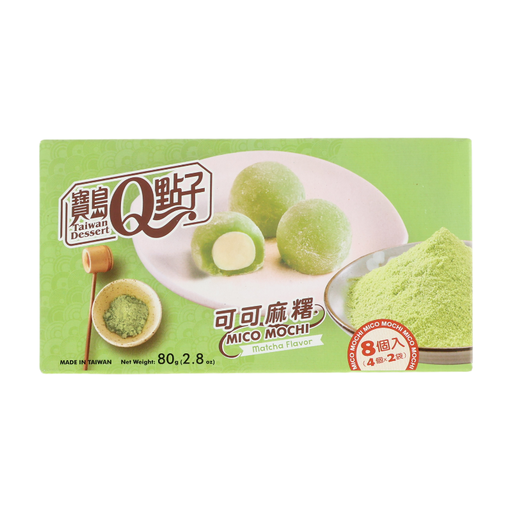
Why this fits the profile: The compact pack is ideal for trying matcha mochi with a cocoa flavour without committing to a large quantity. The pieces are individually wrapped and ready to eat.
The product information clearly states the weight, ingredients, allergens and storage. This means you can assess the flavour and composition rather than relying solely on the name.
80g, individually wrapped pieces, soft sticky rice dough and a matcha-style filling with cocoa in the outer layer.
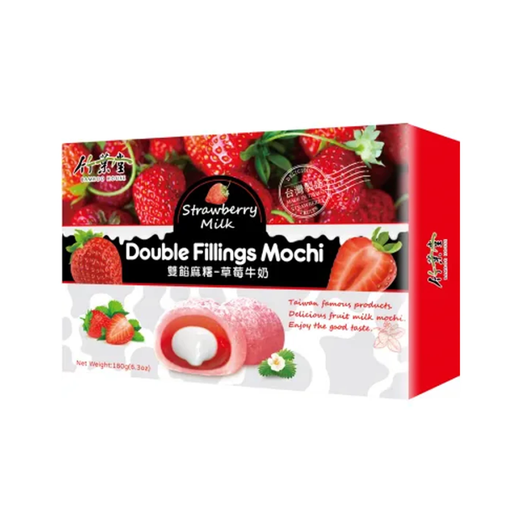
Why this fits the profile: This Taiwanese mochi combines a fruit paste with a milky centre. It's ideal for those who enjoy a layered filling and a distinct textural experience.
The product description mentions the double filling, individually wrapped pieces and the allergens present. So you know in advance that milk and egg are part of the product.
180g, double strawberry-milk filling, individually wrapped and, according to the product information, from Taiwan.
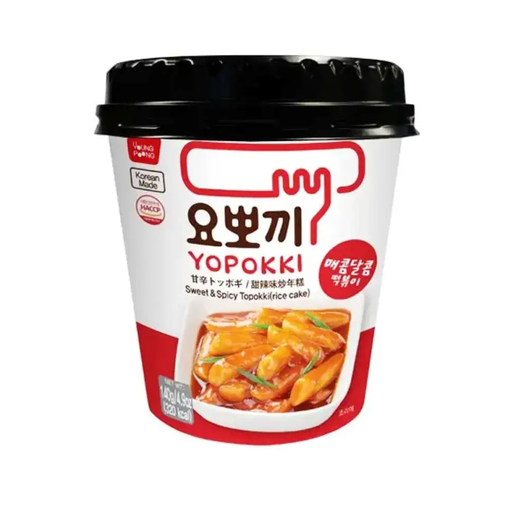
Why this fits the profile: For those who aren't after a sweet dessert but want to prepare a quick Korean rice cake with sauce. The preparation is designed for the microwave.
The preparation steps are specific: add 20ml of water and heat at 1000W for approximately 1 to 1.5 minutes. The packaging also lists gluten and soya as allergens.
140g, rice cakes with a sweet and spicy sauce and a short microwave preparation. This is a savoury option within the range of Asian snacks.
We've put together a full, up-to-date list of products that fully meet these strict selection criteria and comply with current European safety regulations.
You can buy various types of mochi online, including Japanese mochi, Taiwanese mochi, matcha mochi, mango mochi, coconut mochi and varieties with red bean paste. When buying online, always check the net weight, ingredients, allergens and storage conditions.
This varies by product. Shelf-stable mochi is usually best kept cool, dry and out of direct sunlight. Once opened, seal the packaging tightly and eat the pieces promptly. For chilled or frozen mochi, always follow the specific instructions on the label.
No. Topokki or tteokbokki consists of Korean rice cakes with a savoury sauce, often spicy or sweet and spicy. Mochi is typically a sweet sticky rice snack with, for example, fruit, matcha, coconut or red bean filling. So if you want to buy tteokbokki, you're looking for a different type of Asian rice snack than if you're after a mochi dessert.
