
Vandaag of morgen in huis

Kwaliteit gegarandeerd

Welkomstaanbiedingen ontgrendelen: GRATIS bezorging | Tot 80% korting | Gratis 30 dagen JoyPlus-proefperiode
Download de app
Anyone looking to buy mixed vegetables will soon find a wide range of options: tinned vegetables, frozen vegetables, preserved vegetables, pickled vegetables and crunchy vegetable snacks. The differences are not limited to flavour. Quantity, preparation method, shelf life, packaging and allergens all affect whether a product is right for your household.
A smart choice therefore starts not with eye-catching packaging, but with the label and how you plan to use the product.
For jars of pickled vegetables, both the gross weight and drained weight are sometimes shown. For example, an 820 g jar may contain 540 g of vegetables after draining. So compare the amount you will actually serve, rather than just the number on the front.
The same applies to larger packs, such as a Turkish pickle mix. It is important to check how much you will use within a few days of opening. A low price per pack is less practical if part of it goes unused.
A vegetable mix may be ready to eat, but frozen vegetables usually still need to be heated. Tinned or jarred vegetables may be suitable for gentle reheating or for adding straight to a hot meal. Always check the preparation instructions.
Also look at the difference between vegetables without sauce and a prepared mix with cream, oil, herbs or spices. This affects the flavour, nutritional values and potential allergens.
Words such as “natural”, “fresh” or “authentic” do not provide the full picture on their own. Check the ingredients list, nutritional information and country of origin. If a brand claims a particular effect or quality benefit, treat this as the brand’s own claim. According to the brand’s own research, such a claim may apply under specific conditions; it is not a general guarantee.
Choose the product format based on your routine:
A pack of 160 to 200 g will usually suit a small meal or work as an accompaniment. For several people, packs of 380 to 450 g are more practical. For preserved products, the drained weight is the relevant measurement.
Also check how long the product keeps after opening. Some products must be refrigerated and consumed quickly. A ready-prepared vegetable mix that the label says must be eaten immediately after opening is less suitable for dividing into portions.
Always check the full ingredients list, even if you expect a simple vegetable mix. Potential points to look out for include:
The statement “does not contain any of the 14 main EU allergens” applies only to the specific product and current packaging. Check the label again if the recipe or packaging changes.
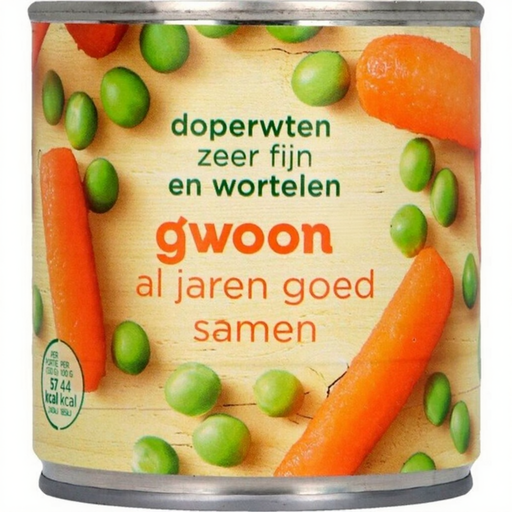
Why it suits this profile: A familiar combination for Dutch meals, with 400 g of vegetables for several portions.
The ingredients list is short: water, peas and carrots. This makes it immediately clear what you are buying.
400 g pack, extra-fine cut and, according to the product information, none of the 14 main EU allergens.
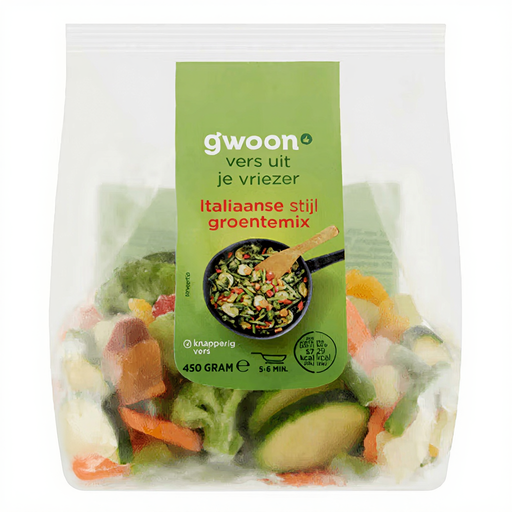
Why it suits this profile: For anyone looking for a broad vegetable mix with herbs and a set preparation method.
The instructions specify using a wok or frying pan and stir-frying for 4 to 5 minutes. This makes it clear that it is not a ready-to-eat product.
450 g frozen mix with courgette, broccoli, green beans, peppers, celery and carrot.
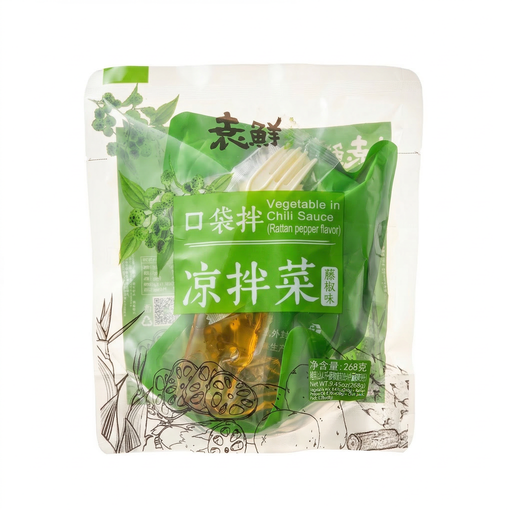
Why it suits this profile: For fans of a distinctive Asian vegetable mix that can quickly be served as a side dish or topping.
The product information clearly states that the product is ready to eat. However, it contains sesame, soya and peanuts, making it essential to check the allergens.
268 g, ready to eat and made with potato, bamboo shoot, kelp, lotus root, mushroom and other ingredients.
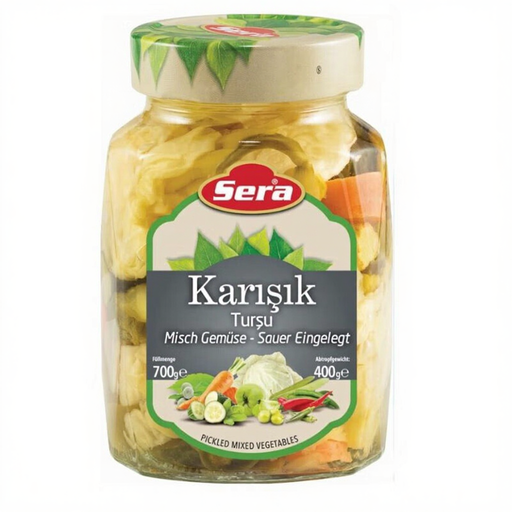
Why it suits this profile: A Turkish pickle mix to serve with grilled meat, rice, sandwiches or a mezze platter.
The product description lists the types of vegetables, brine and vinegar. Bear in mind the stated salt content of 2.5 g per 100 g.
700 g of vegetables, several types of pickled vegetables and, according to the product information, none of the 14 main EU allergens.
We have put together a complete, up-to-date list of products that fully meet these strict selection criteria and the applicable European safety regulations.
Use frozen vegetables straight from the freezer and follow the temperature and cooking time shown on the packaging. With a stir-fry mix, it is often important to let excess moisture evaporate before adding extra sauce. This prevents the dish from becoming watery.
Store opened jars and bags according to the label. Do not put opened tinned food back in the fridge in a damaged tin; transfer the contents to a suitable sealed storage container instead. With pickled vegetables, keep the vegetables submerged in the liquid. Use a clean spoon to preserve the shelf life and quality as effectively as possible.
A frozen vegetable mix is practical for rice, pasta, noodles and stir-fries. A ready-prepared Asian vegetable mix or pickled vegetables is suitable when you have no time to cook and are mainly looking for a side dish or flavour enhancer.
Unopened vegetables in tins or jars generally have a long shelf life, but always check the date and the condition of the packaging. Do not use a product if the tin is bulging, leaking or badly damaged. Once opened, follow the storage advice on the label.
Compare the nutritional information per 100 g and check the ingredients. Vegetable crisps may have a different composition from fresh or frozen vegetables because of the oil, sugar or salt used. For example, MUSHAN BASE Mixed Fruit and Vegetable Crisps 90g contains purple sweet potato, banana, taro, apple, peas and carrot; according to the product information, it is a ready-to-eat snack rather than a vegetable mix for a hot meal.
