
Same-day & Next-day Delivery

Quality Guaranteed

Unlock Your Welcome Offers: FREE Delivery | Up to 80% OFF | Free 30-day JoyPlus trial
Download the APP
When you want to buy mineral water, you’ll often look at the brand and price first. But it’s the mineral profile, bottle size and how you plan to use or store the water that determine whether a pack is practical. A large multipack may seem like good value, but it takes up a lot of space. A 500 ml bottle is handy when you’re out and about, but less efficient for everyday use at home.
Terms such as natural mineral water, “pure” and “suitable for making up baby formula” also need to be checked against the label. Read on to find out what to look for before you order mineral water online or stock up.
A pack with a low total price isn’t automatically good value. Always compare the price per litre. A mineral water multipack of 6 x 1.5 litres contains 9 litres, while 12 bottles of 500 ml provide just 6 litres. For a household, larger bottles are often more efficient; for an office, gym bag or meeting room, 500 ml bottles may help reduce waste.
1.5-litre mineral water is practical for the fridge and for pouring several glasses throughout the day. Once opened, however, the bottle should be kept chilled and used within the time stated on the packaging. A 500 ml mineral water bottle is easier to carry, but daily use means more individual bottles.
Pay attention to the cap, too. A sports cap can be handy when you’re out and about, while a standard cap is often better for water kept at home.
A brand name or place of origin doesn’t tell you everything about the composition. Check the levels of sodium, calcium, magnesium, nitrate and dry residue, given per litre or per 100 ml. For example, according to the product information, Evian contains 6.5 mg of sodium and 80 mg of calcium per litre. Spa Reine lists 3 mg of sodium and 5 mg of calcium per litre. For a 1.5-litre product, Bar-le-Duc lists 10.7 mg of sodium and 54 mg of calcium per litre.
Check the unit of measurement. Don’t compare a value per 100 ml directly with one per litre without converting it first.
If you’re looking for mineral water with a low sodium content, compare the sodium levels on the labels. This is particularly relevant if you’re consciously trying to reduce your sodium intake. A product description may also say that the water is suitable for a low-sodium diet. Treat this as product information and, if you’re following a medically prescribed diet, follow the advice of a healthcare professional.
When choosing water for making up baby formula, it’s important to consider nitrate and fluoride levels, as well as the packaging and hygienic handling. Spa Reine and Bar-le-Duc product listings state that their water is suitable for making up baby formula. Always follow the preparation instructions from the baby formula manufacturer and check the label on the pack you receive.
Choose a size to suit how much you use:
A box of 6 x 1.5 litres can weigh around 9 kilograms, excluding the packaging. So think about delivery, storage and lifting before you order.
Store mineral water in a cool, dry place, away from direct sunlight. When your order arrives, check that the cap, seal and packaging are intact. According to the product information, an opened bottle should be kept closed and chilled. Large Eco Packs should not automatically be refilled or reused; follow the instructions on the packaging.
Claims about recyclability or materials are made by the brand or relate to a specific product. Check the packaging and local waste disposal guidance rather than relying on marketing copy alone.
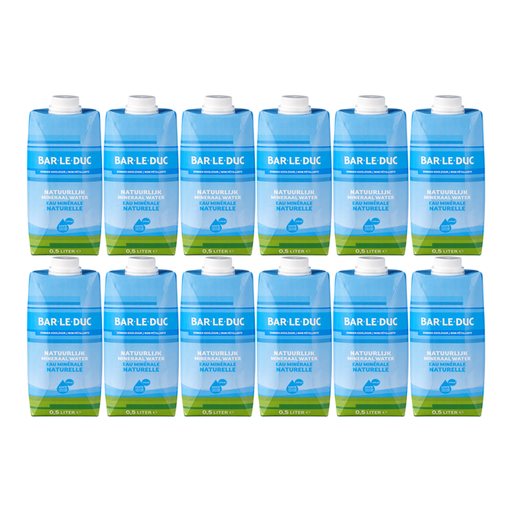
Why it suits this profile: The 12 bottles of 500 ml are easy to divide between the fridge, your bag and your workplace. The total volume is 6 litres.
The volume per bottle and number of bottles are clearly stated, so you can compare the price and quantity per litre.
A handy size, suitable for individual use. The product information states that it contains none of the 14 EU allergens.
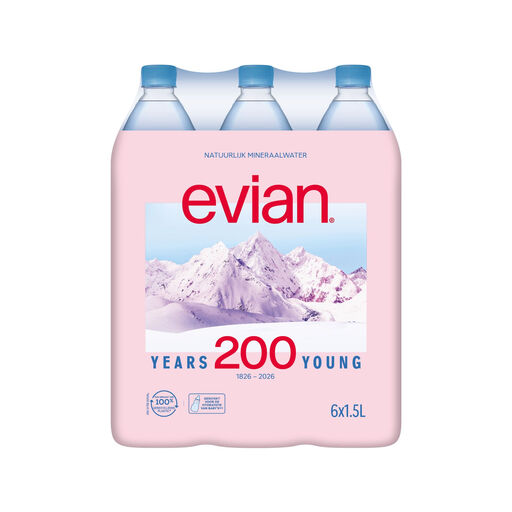
Why it suits this profile: The six 1.5-litre bottles provide 9 litres in total for everyday use at home or in the office.
The composition is clearly specified: 6.5 mg of sodium, 80 mg of calcium and 26 mg of magnesium per litre.
Large bottles for stocking up, with a clearly stated mineral profile. Always check the label when your order arrives.
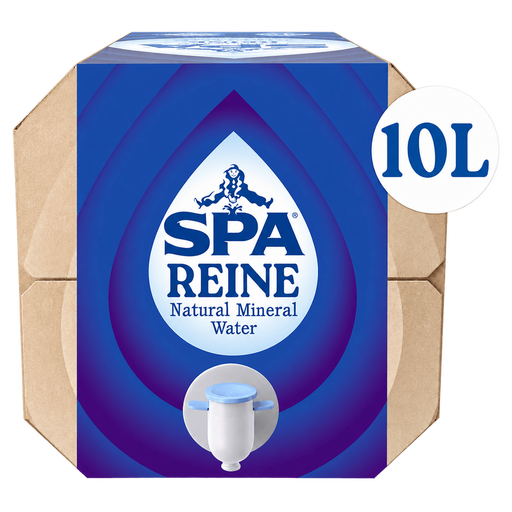
Why it suits this profile: The 10-litre pack is designed for stocking up, families or workplaces where water is poured regularly.
The composition lists 3 mg of sodium, 5 mg of calcium and a dry residue of 38 mg per litre, making it easier to compare.
A large supply in one pack, and still water according to the product description. Use the tap hygienically and don’t refill the pack.
We’ve put together a complete, up-to-date list of products that meet these strict selection criteria and the applicable European safety requirements.
A 1.5-litre pack is often practical for everyday use. For when you’re out and about, 500 ml bottles are easier to carry. With both options, compare the price per litre, the storage space available and the amount of plastic or cardboard.
Follow the shelf-life and storage information on the label. The product information for the brands mentioned states that opened water should be kept chilled and sealed. Don’t use a bottle if its seal was already damaged before opening.
Some product listings state that Spa Reine and Bar-le-Duc are suitable for making up baby formula. Always check the current packaging, follow the baby formula manufacturer’s instructions and handle the water hygienically. If you have any particular feeding concerns, you can consult a healthcare professional.
