
当日/次日达

品质保障

开启新人专享福利: 全场免邮 | 低至 2 折 | 免费试用 30 天 JoyPlus 会员
下载 Joybuy
If you’re looking to buy mineral water, you’ll soon come across dozens of options: natural mineral water, sparkling water, still water, flavoured sparkling water and various multipacks. The differences aren’t just about taste. The size, ingredients, nutritional values and storage requirements all affect how practical a pack will be for your household.
A low price doesn’t tell you much unless you take the volume into account. For example, a multipack of 12 500 ml bottles contains 6 litres, while 6 1.5-litre bottles provide 9 litres. So always compare the price per litre, not just the price of the water multipack.
Sparkling water usually consists of water with added carbon dioxide. Flavoured sparkling water may also contain fruit juice, flavourings, sweeteners or sugar. So check the ingredients list. A product may be labelled sugar-free but still contain sweeteners.
A 1.5 or 2-litre bottle is handy for the fridge and for a family, but less practical to take with you. A 500 ml bottle of mineral water fits more easily in a bag or on a desk. For an office or event, several small bottles may mean more packaging and storage space.
First, choose the drinking experience you prefer:
For flavoured products, the nutrition table is important. According to the product information, Charlie’s Sparkling Water Lemon contains 1 kcal per 100 ml, while the Grapefruit and Passionfruit varieties list 3 kcal per 100 ml. Charlie’s Sparkling Water Cassis lists 2 kcal per 100 ml. These all fall into the low-calorie water category, but always check the current packaging.
Check both the number of bottles and the volume of each one. Here are a few practical examples:
A multipack is only good value if you’ll use all of it. Also check where you’ll store it. Water should be kept cool and out of direct sunlight.
Still natural mineral water often lists only natural mineral water as an ingredient. For example, Bar Le Duc Mineral Water 6 x 2 L provides a mineral analysis that includes calcium, magnesium, sodium and bicarbonate. Novi8 Water lists its origin as Telemark in Norway and provides an analysis per litre.
These figures are useful for comparing products objectively, but they don’t automatically tell you which water is right for everyone. If you follow a specific diet, you may want to check the sodium content in particular. When preparing baby formula, always follow the manufacturer’s instructions and the guidance on the packaging.
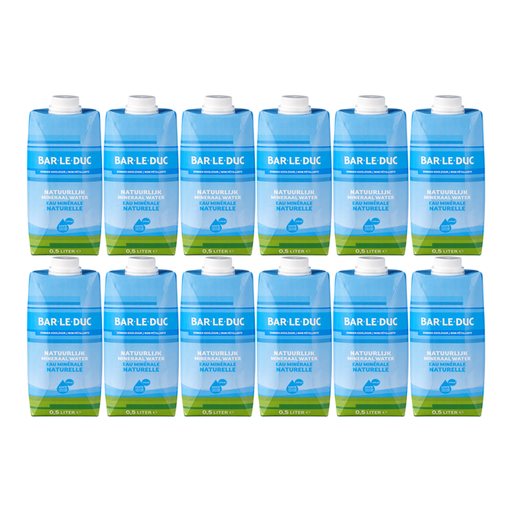
Why it suits this profile: The 12 500 ml bottles are easy to divide between your household, workplace or bag.
The clearly stated number of bottles and standard size make it easier to compare the price per bottle and per litre.
12 bottles of 0.5 litres; according to the product information, free from the 14 major EU allergens.
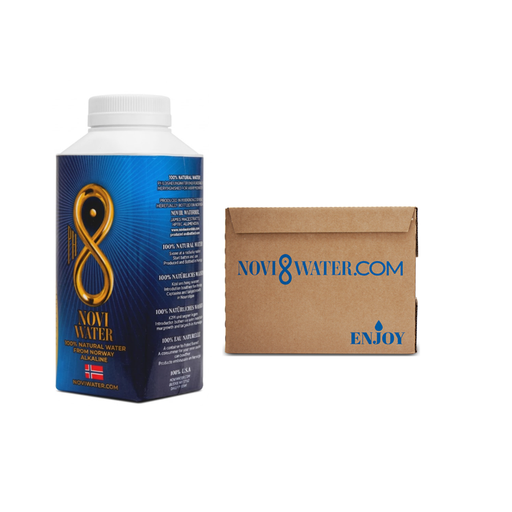
Why it suits this profile: Its compact size and stated Norwegian origin will appeal to consumers who pay attention to presentation and product specifications.
The product information includes an analysis per litre, so you don’t have to rely solely on brand names or general marketing claims.
12 bottles of 330 ml; pH 8 and a mineral analysis are listed in the product description.
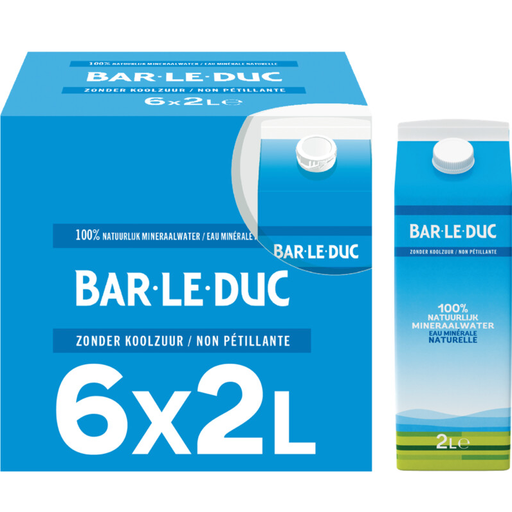
Why it suits this profile: The total volume of 12 litres is practical for families, offices or a cupboard stocked for everyday water use.
The total volume is clearly stated, so you can plan storage space, consumption and cost per litre in advance.
6 bottles of 2 litres; according to the product information, 0 kJ and 0 kcal per 100 ml.
If you fancy a fruity taste without regular fizzy drinks, take a look at Charlie’s Sparkling Water. According to the label, the Grapefruit variety contains 93% sparkling water and 7% organic juice. The Passionfruit variety is listed in the product information as 95% sparkling water and 5% organic juice. Both state 0 grams of sugar per 100 ml, but do contain a few kilocalories.
If you’re looking for a sugar-free, calorie-free product, g’woon Sparkling Mineral Water 1.5 L is listed in the product information as containing 0 grams of sugar and 0 kcal per 100 ml. The ingredients list names spring water and carbon dioxide. Always check the packaging when you buy it again, as recipes and labels may change.
We’ve put together a complete, up-to-date list of products that meet these strict selection criteria and the applicable European safety requirements.
That depends on the price per litre, delivery costs and the number of bottles. A large water multipack may lower the price per bottle, but it also needs more storage space. So compare the total order price with the volume in litres.
Follow the instructions on the label. The product information for the waters mentioned recommends keeping an opened bottle chilled and using it within the stated period. Close the bottle tightly, and don’t use any packaging if its seal was damaged before opening.
At home, 1.5 or 2-litre bottles are suitable if you’re pouring several glasses from one bottle. For on the go or at the office, 500 ml mineral water is easier to carry. If you need water for both situations, consider a combination of large bottles and smaller portions.
