
Vandaag of morgen in huis

Kwaliteit gegarandeerd

Welkomstaanbiedingen ontgrendelen: GRATIS bezorging | Tot 80% korting | Gratis 30 dagen JoyPlus-proefperiode
Download de app
Are you looking to buy mineral water for home, the office or on the go? The choice might seem straightforward, but packaging and marketing claims can hide important differences. A bottle labelled “water” could, for example, be a flavoured soft drink containing sweeteners. Likewise, terms like “natural”, “lightly sparkling” and “low in sodium” only mean something once you check the ingredients list and mineral analysis.
With these practical checks, you can compare natural mineral water, still water, sparkling water and low-calorie options without relying solely on what the front of the pack says.
Crystal Clear water with flavours such as raspberry, blueberry, lemon or passion fruit is not mineral water made exclusively from water. According to the product description, it is a water base with natural flavourings, fruit concentrate, acidity regulators, preservatives and sweeteners. The raspberry-blueberry variant states on the label that it contains less than 1 kcal per 100 ml and no sugar, but it does contain sucralose and acesulfame-K.
That makes flavoured water an option if you want more taste, but always check the ingredients list. “No sugar” does not automatically mean “no sweeteners” or “pure natural mineral water”.
There is a difference between sparkling water, lightly sparkling water and strongly carbonated mineral water. Spa Finesse Light Sparkling, for example, states a natural carbonation level of 3.8 grams per litre. Spa Intense, according to the product information, is intensely sparkling natural mineral water and comes in 500 ml bottles.
If you are after a gentle fizz, a lighter variant is a better choice. For a robust sparkle, a more intense option will suit you better. Open carbonated mineral water gently and store an opened bottle in the fridge.
A single 1-litre bottle might look cheap, whereas a mineral water multipack often works out cheaper per litre. So always calculate:
total price ÷ total number of litres = price per litre
A pack of 6 x 1.5 litres contains 9 litres. A multipack is practical for families, but it takes up more storage space and is heavier to move. For on the go, bottles of 33 cl, 50 cl or 75 cl with a sports cap are more convenient than large family-sized bottles.
First, choose based on when you will drink it:
Also watch out for contradictions in online product titles. Some listings use “still” or “flat”, while the description elsewhere mentions carbonation. If in doubt, use the ingredients list on the actual packaging as your reference.
If you are looking for mineral water low in sodium, check the sodium value per litre. Bar-le-Duc states 10.6 to 10.7 mg of sodium per litre. SPA Reine states 3 mg per litre and Spa Intense 5 mg per litre. Beypazari Sade Soda, according to the product information provided, has around 138 mg of sodium per litre – that is a very different profile.
Calcium, magnesium, bicarbonate and dry residue can also affect the taste. A low mineral content generally means a mild profile, while a higher content can give a more pronounced flavour. The mineral composition varies by source and is listed on the label.
Pure mineral water, according to the product data for the SPA and Bar-le-Duc variants mentioned, contains 0 kcal. Crystal Clear Flavoured Water states 1 kcal per 100 ml and uses sweeteners instead of sugar. Bar-le-Duc Lemon states 0 kcal, no sugar, and according to the product description contains natural lemon flavouring and carbonation.
Also check:
Bar-le-Duc states that the bottles are made from 100% recycled plastic. This is a product and brand claim from the description provided; check the actual packaging for the most up-to-date information.
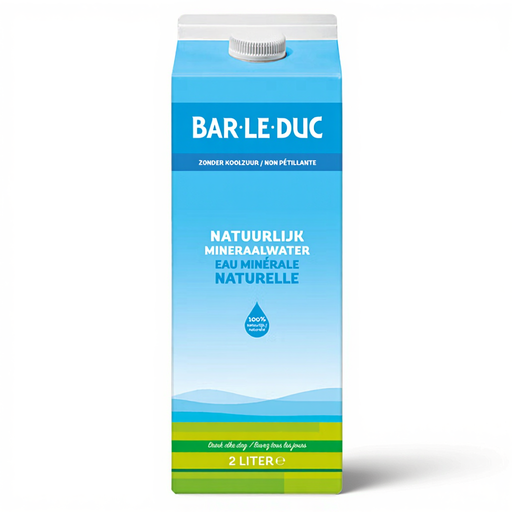
Why this fits the profile: The 2-litre bottle is suitable for home use and makes it easy to compare the price per litre. This variant is still and contains 0 kcal according to the product information.
The clear packaging with no fruit flavour or sweeteners prevents confusion with flavoured water. Check the current ingredient information on the label.
2 litres per bottle, still water, 0 kcal and 10.6 mg sodium per litre according to the product data.
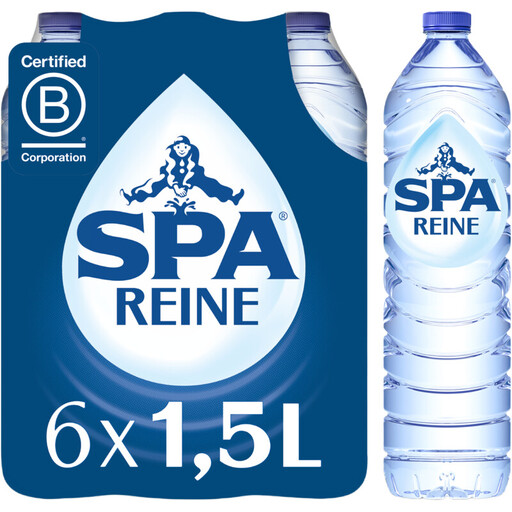
Why this fits the profile: This multipack provides 9 litres of natural mineral water in 1.5-litre bottles. It suits families who regularly serve still water.
The product data states 0 kcal, 3 mg sodium per litre and a very low mineral content. This allows you to compare directly rather than choosing by brand name alone.
6 x 1.5 litres, natural mineral water, 0 kcal and low sodium level according to the product information.
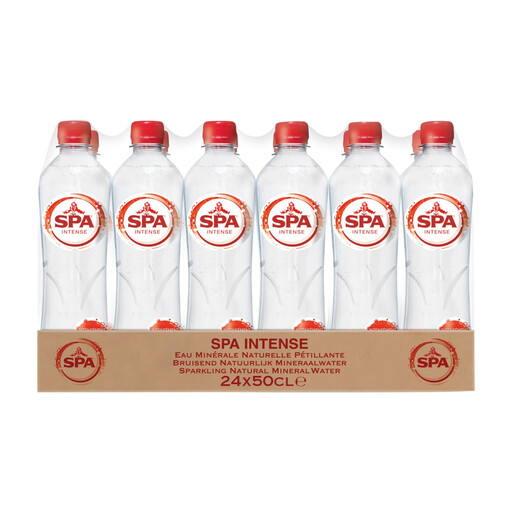
Why this fits the profile: The 24 bottles of 500 ml are practical for work, sport, guests or serving chilled with meals. The description states intensely sparkling natural mineral water.
The carbonation level is clearly described in the product description as intensely sparkling. This makes the difference from still or lightly sparkling water clear upfront.
24 x 500 ml, intensely sparkling, low mineral content and 5 mg sodium per litre according to the product data.
We have put together a full, up-to-date list of products that fully meet these strict selection criteria and comply with current European safety regulations.
Natural mineral water comes from a recognised source and has a fixed mineral composition. The values for sodium, calcium and magnesium, among others, are usually listed on the label. When buying online, always check the current product information, especially if a title and description contradict each other.
This varies by brand and source. In the product data mentioned, SPA Reine states 3 mg of sodium per litre, Spa Intense 5 mg and Bar-le-Duc around 10.7 mg. Beypazari Sade Soda, according to the information provided, is significantly higher. If you are watching your sodium intake, compare the value per litre rather than just relying on a “light” or “pure” claim on the front.
Store an opened bottle according to the product instructions – cool and tightly sealed. Carbonated water in particular gradually loses its fizz after opening. Always check the label for the recommended period after opening, and do not use a bottle if the seal is damaged upon receipt.
