
当日/次日达

品质保障

开启新人专享福利: 全场免邮 | 低至 2 折 | 免费试用 30 天 JoyPlus 会员
下载 Joybuy
If you're looking to buy mineral water, you'll quickly come across dozens of options: still or sparkling, 500 ml or 1.5 litres, individual bottles or multipacks. The price per bottle might seem easy to compare, but packaging, mineral content and intended use make a big difference. This practical guide will help you avoid paying for a size or feature you don't actually need.
A multipack can look like good value, but always check the total amount of water. Compare the price per litre rather than just the price per bottle. For example, a pack of 24 bottles of 500 ml contains 12 litres; six bottles of 1.5 litres contain nine litres. That difference affects the real cost.
Also consider delivery and storage space. A mineral water multipack is handy for an office or family, but boxes with large bottles take up considerably more room.
Natural mineral water has a specific mineral composition, which varies by source and brand. So check the analysis on the label, especially sodium, calcium, magnesium, bicarbonate and dry residue.
If you're looking for mineral water with low sodium, it's worth checking the sodium content per litre. A marketing term on the front of the bottle is no substitute for a concrete analysis. If you're following a medically prescribed diet, it's wise to discuss your choice with a healthcare professional.
Sparkling mineral water is not the same as still mineral water for baby formula. Carbon dioxide can make it unsuitable for this purpose. Only choose water where the manufacturer explicitly states it is suitable for preparing baby formula, and always follow the preparation and hygiene instructions for the feed.
Before use, always check the seal, keep the opening clean and store an opened package according to the label. A mention in a product description is not a substitute for the current information on the packaging.
Still mineral water is practical for everyday drinking, cooking and preparing baby formula when the label allows it. Sparkling water contains carbon dioxide and is better suited to meals, hospitality settings or anyone looking for a fizzy drink without sugar.
Pay attention to the difference between "natural mineral water" and "spring water" or "sparkling spring water". The legal name on the label tells you which type of water you're buying. For example, g'woon lists spring water and carbon dioxide in the ingredients information. So check the packaging if the exact product category matters to you.
A large pack isn't automatically more practical. Once opened, you need to consider refrigeration, hygiene and the storage information on the product.
Compare the figures per litre, not per bottle. A 500 ml bottle contains half the amount of minerals listed per litre. Some examples from the product specifications on offer:
These figures describe the composition; they do not constitute personal dietary advice. Always check on delivery that the current packaging shows the same values.
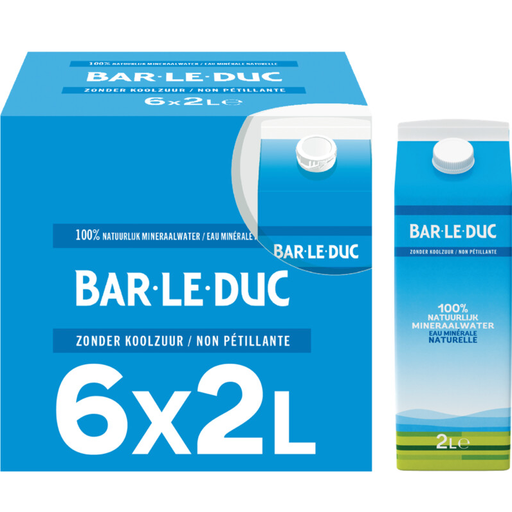
Why this fits the profile: Six 2-litre bottles offer a manageable size for daily use, cooking and a household with multiple drinkers.
The contents are clearly specified: 6 x 2 litres. This means you can easily calculate the price per litre and the storage space needed beforehand.
Natural mineral water; analysis shows 10.6 mg sodium and 47 mg calcium per litre.
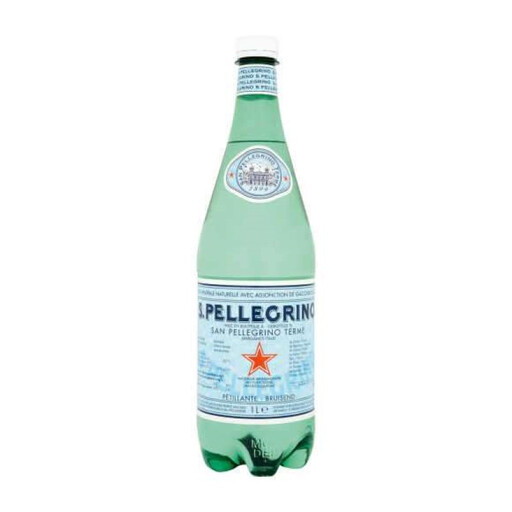
Why this fits the profile: The 1-litre bottle is designed for serving with meals and offers a sparkling option for home or hospitality use.
The ingredients list natural mineral water and carbon dioxide. So you know it's sparkling water and not a still alternative.
Italian natural mineral water; 1 litre per bottle; sugar-free and calorie-free according to the product information.
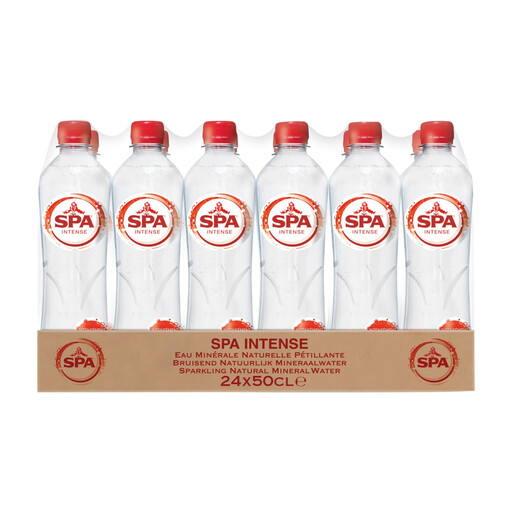
Why this fits the profile: Twenty-four small bottles are practical for an office, sports venue, event or chilled service.
The format makes the total volume and number of portions clear. This way you don't buy large bottles when individual portions are more important.
Sparkling natural mineral water; 500 ml per PET bottle; according to the analysis, 5 mg sodium per litre.
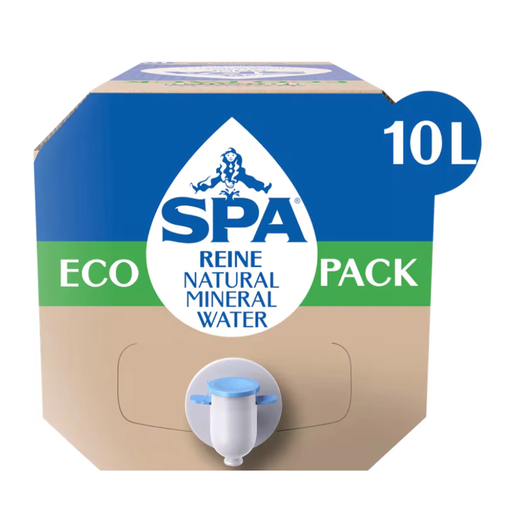
Why this fits the profile: The large EcoPack is designed for home use and is described in the product information as suitable for preparing baby formula.
The listing states it's a still product, with 3 mg sodium per litre and suitability for baby formula. Still check the current packaging and hygiene instructions before use.
10 litre capacity; according to the product description, 100% recyclable and made with at least 87% recycled material in the cardboard.
We've put together a full, up-to-date list of products that fully meet these strict selection criteria and comply with current European safety regulations.
Only choose a product where the manufacturer explicitly states this. Still water with a low sodium content may be offered for this purpose, such as SPA Reine or Bar Le Duc according to the product information provided. Always check the current packaging, the seal and the instructions for the baby formula. Do not use sparkling water unless the manufacturer explicitly allows it.
Unopened bottles and packs have storage information on the label. Store them in a cool, dry place away from direct sunlight. Once opened, seal the pack properly and store according to the product instructions; this often means refrigerating and using within the stated period. An EcoPack should not be refilled or reused if the manufacturer does not allow it.
That depends on the price per litre, the total volume and any delivery costs. Calculate: total price divided by the number of litres. A multipack of mineral water 500 ml can be practical for individual portions, while mineral water 1.5 litres or 2 litres often suits home use better. Also compare the packaging material and the storage space you have available.
