
当日/次日达

品质保障

开启新人专享福利: 全场免邮 | 低至 2 折 | 免费试用 30 天 JoyPlus 会员
下载 Joybuy
Anyone looking to buy milk and milk powder online will quickly come across a wide range of packaging, claims and value packs. Whole milk, long-life milk, organic milk, UHT milk and instant milk powder may seem easy to compare at first glance. However, the most important differences often come down to shelf life, preparation method, ingredients and pack size.
This practical buying guide will help you avoid paying for features you will not use.
UHT milk is treated so that its unopened packaging can be stored outside the fridge. Once opened, however, the milk must be refrigerated. Always check the instructions on the packaging and make sure you use an opened carton before it goes out of date.
When buying a value pack, also consider how quickly you use milk. Several litres are only practical if you have enough storage space and can use the milk before its best-before date.
Whole milk generally contains more fat than semi-skimmed or skimmed milk. This can be ideal for coffee, latte macchiatos, cappuccinos or recipes where you want a creamy texture. Also compare the nutritional information per 100 ml. Do not rely solely on terms such as “creamy” or “rich”.
For milk powder, the nutritional value is often listed per 100 g of powder. This is not the same as the value per prepared glass. So also check the recommended amount of powder and water.
Instant milk powder is designed to dissolve quickly, but preparation instructions vary from one brand to another. Some varieties are suitable for hot and cold drinks, while others are mainly intended for hot preparation. Also check whether the product contains milk powder only, or ingredients such as an emulsifier, soya, sugar or other additives.
For products such as Nido milk powder, the age guidance is important. The supplied product information states that certain varieties are not suitable for children under 12 months. Always read the label before using the product.
The ingredients list provides the most reliable information. Pay particular attention to:
Packaging shown online may differ from the current packaging. Always check the ingredients, allergens and warnings on the physical label before use.
For example, Nido instant milk powder may specify a ratio of 32.5 g of powder to 225 ml of water for approximately 250 ml of prepared milk. Another variety may state three measuring scoops with 225 ml of water. Follow the instructions on the exact packaging you purchase.
Milk powder can be useful for cereal porridge or porridge oats with milk when you do not have liquid milk at home. For drinking milk, coffee or a dessert, the correct ratio is essential for achieving the right flavour and texture.
A 400 g pack is easy to manage for occasional use or a smaller household. A box containing several packs may offer better value per kilo, but it does require enough dry storage space.
Store milk powder in a cool, dry place according to the product instructions. Seal the packaging securely after opening. Some varieties recommend refrigeration after opening; always follow the label.
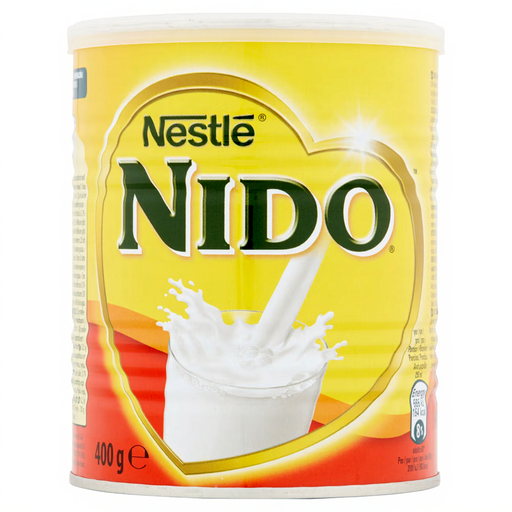
Why it suits this profile: A compact pack for trying milk powder in drinks, cooking, baking or desserts.
The contents are clearly stated as 400 g and the product information specifies an instant formula. Check the preparation ratio and allergens on the packaging.
400 g contents; according to the product description, dissolves in hot and cold water; suitable for a range of uses.
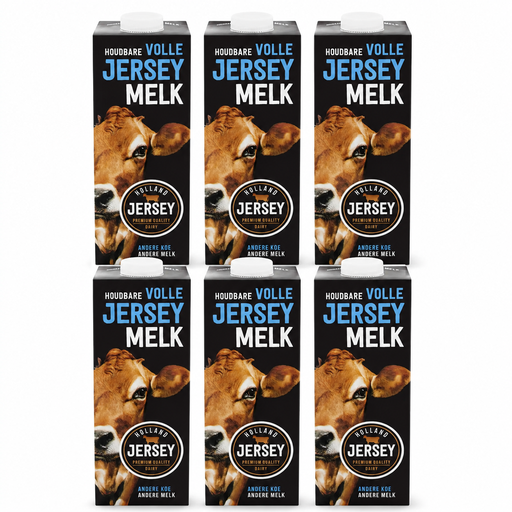
Why it suits this profile: Designed for shoppers looking for whole UHT milk with a full flavour and a pack size suited to regular use.
The product details explicitly state whole milk, UHT and 6 packs of 1 litre. Once opened, the milk must be refrigerated and used within the stated period.
1 litre per carton; UHT whole milk; according to the label, 6 g of fat and 4.2 g of protein per 100 g.
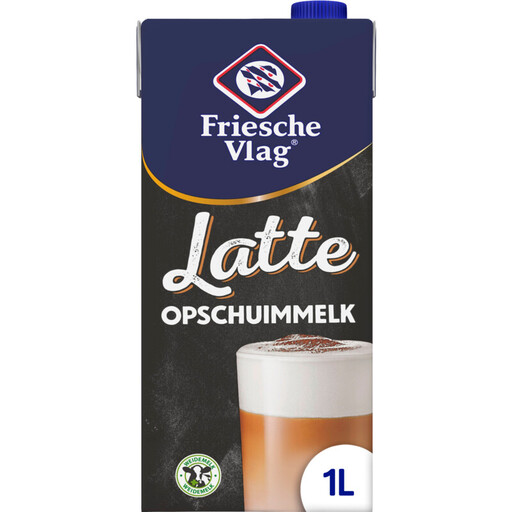
Why it suits this profile: Ideal if you regularly make cappuccinos, latte macchiatos or other coffee specialities with frothed milk.
The product description mentions that it is suitable for frothing and recommends chilling it before use. Its performance is therefore linked to a specific use, rather than a general claim.
1 litre contents; UHT whole milk; 4.1 g of fat and 3.7 g of protein per 100 ml according to the product information.
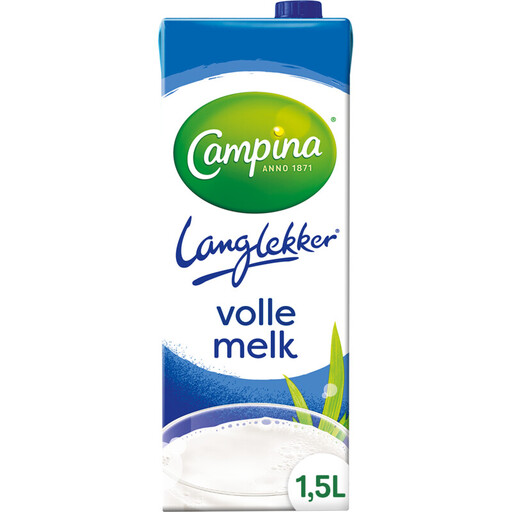
Why it suits this profile: A 1.5-litre pack for households that regularly use milk with breakfast cereal, porridge oats or in cooking.
The packaging states that this milk can be stored outside the fridge while unopened. Once opened, refrigeration and the period stated on the label apply.
1.5 litres contents; Dutch origin according to the product information; 3.6 g of fat and 3.7 g of protein per 100 ml.
We have put together a complete, up-to-date list of products that fully meet these strict selection criteria and the applicable European safety regulations.
For a quick breakfast, breakfast cereals, Weetabix or wholegrain crispbread pair well with standard or long-life milk. According to the product information, Weetabix Original consists of 95% wholegrain cereals and contains 10 g of fibre per 100 g. Wasa Lightweight is made with wholegrain rye and states that it contains 20% fibre. If you have allergies, always check for gluten, milk and possible traces.
For quick preparation, Family mixes containing oats, cereals or milk powder are available in individual sachets. Here, pay attention to the difference between a milk product and a cereal mix containing only a small proportion of milk powder. For example, Family Whole Oat Milk Cereal Powder lists 5% whole milk powder; the remainder consists of ingredients including cereals and soya.
That depends on the price per kilo, the preparation ratio and waste. Compare the price of the amount of powder required with the same quantity of prepared liquid milk. A larger pack is not automatically better value if you use the product slowly.
This varies from product to product. Liquid milk should be refrigerated after opening, and you should follow the period stated on the label. With milk powder, seal the packaging securely and follow the storage instructions. Do not use the product if the seal is damaged or if the powder is damp or smells unusual.
Choose a milk that the product description states is suitable for frothing, such as Friesche Vlag Latte Milk. Chill the milk before frothing if this is recommended on the packaging. The result also depends on the temperature, the type of frother and the coffee you use.
