
Vandaag of morgen in huis

Kwaliteit gegarandeerd

Welkomstaanbiedingen ontgrendelen: GRATIS bezorging | Tot 80% korting | Gratis 30 dagen JoyPlus-proefperiode
Download de app
If you’re looking to buy milk powder, you’ll quickly come across many varieties with similar packaging and big promises. Yet products differ greatly in composition, preparation and use. Whether you need a supply for the family, an ingredient for cooking and baking, or a supplement to boost your protein intake, one general choice won’t automatically fit the bill.
The following points will help you separate marketing claims from practical product information.
A product with lots of protein isn’t always just milk powder. Protein powder, whey protein powder and nutritional powder are usually intended as a supplement to your diet. They may contain sweeteners, flavourings or other added ingredients.
Always compare:
Instant milk powder is designed to mix easily with water, but the result also depends on the temperature, ratio and stirring method. Check the preparation instructions on the packaging. A product for hot drinks may be used differently from a powder for smoothies or sports drinks.
A 900-gram or 1-kilogram pack may look appealing, but once opened, milk powder absorbs moisture and odours from the environment if the bag or tin isn’t sealed properly. So look at:
With a bulk pack, a well-sealable container is especially important.
Whole milk powder contains more fat and generally has a creamier taste. NIDO products fall into this category. The nutritional values of NIDO Whole Fat Instant High Calcium High Protein Milk Powder 900g list, per 100 grams, 25.7 grams of protein, 28.2 grams of fat and 503 kcal. According to the product information, the variant consists of whole milk powder and soya lecithin.
Skimmed milk powder contains significantly less fat. Blanca Skimmed Milk Powder lists 0.7 grams of fat and 33 grams of protein per 100 grams. That could suit anyone looking for a leaner product for drinks, cooking or baking. Do note the carbohydrate and sugar content: Blanca states 55 grams of carbohydrates, of which 55 grams are sugars per 100 grams.
Read the full ingredients list, even if the front of the pack uses terms like “pure”, “natural” or “high in protein”. A product may contain soya, flavourings, sweeteners, oils, vitamins or minerals in addition to milk components.
With nutritional powders, this difference is clear. Ensure Milk Powder Vanilla Flavor contains, according to the product description, glucose syrup, maltodextrin, sugar, vegetable oils, milk protein concentrate and soya protein isolate. This is therefore a nutritional powder and not a simple alternative to whole or skimmed milk powder.
If you have an allergy or intolerance, the packaging is your guide. Product information online can change, so always check the label on the pack you receive.
Check how much powder is needed for one drink. NIDO, for example, states a preparation ratio of 32.5 grams of powder with 225 ml of water to make approximately 250 ml of milk. Two Cows Skimmed Milk Powder recommends 10 to 12 grams of powder per 100 ml of water.
For cooking and baking, you can sometimes add milk powder directly to a recipe. For a drinkable preparation, the recommended ratio and mixing temperature are more important. Don’t use a product intended for infant formula as a regular food for adults, and always check the age indication on milk powders for young children.
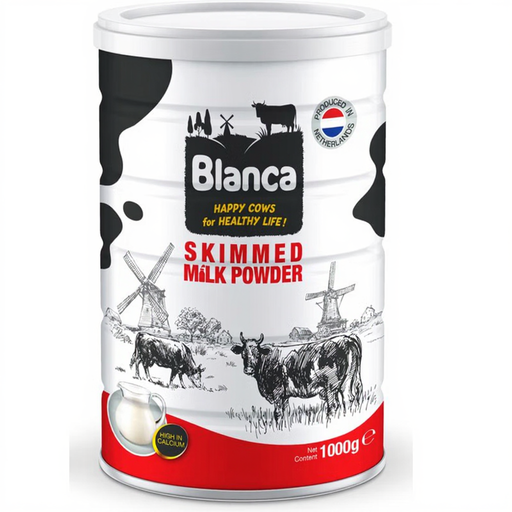
Why this fits the profile: The 1-kilogram pack is suitable for regular use in drinks, recipes and baking. The product information lists 0.7 grams of fat and 33 grams of protein per 100 grams.
The composition is straightforward: according to the product information, it consists of skimmed milk powder, without a long list of flavourings or sweeteners.
1 kg content; low fat content; suitable for drinking, cooking and baking.
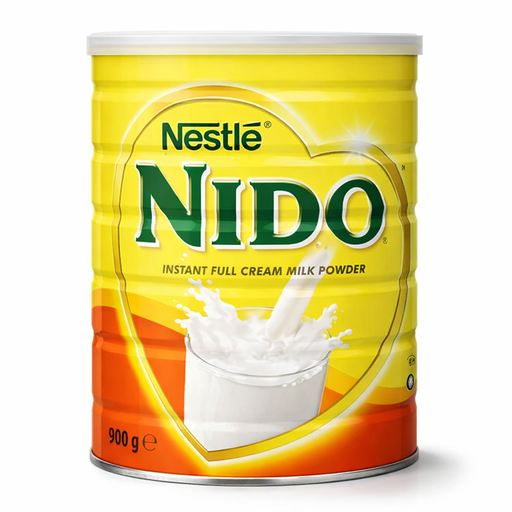
Why this fits the profile: This whole instant milk powder is designed for anyone looking for a creamier milk drink that can also be used in coffee, tea, desserts, cooking and baking.
The product information clearly states the ingredients and preparation ratio, rather than just general taste claims.
900 g pack; whole milk powder; according to the description, suitable for hot and cold preparation.
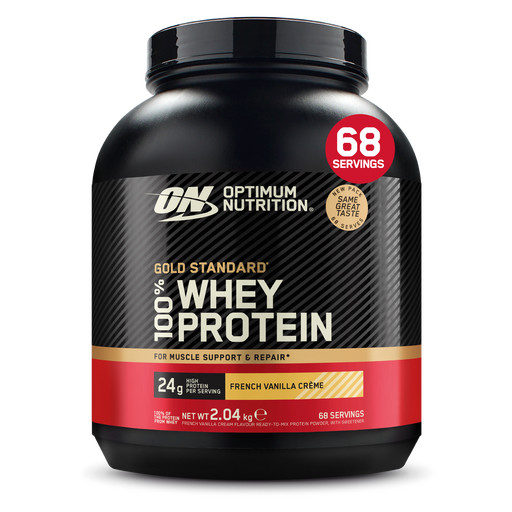
Why this fits the profile: This is whey protein powder for adults who want to supplement their daily protein intake, for example around exercise or as part of an active diet.
The protein content is listed per serving: approximately 24 grams per scoop of around 32 grams. This makes it easier to compare portions and costs.
2.04 kg pack; blend of whey isolate, concentrate and hydrolysed whey; contains milk and soya.
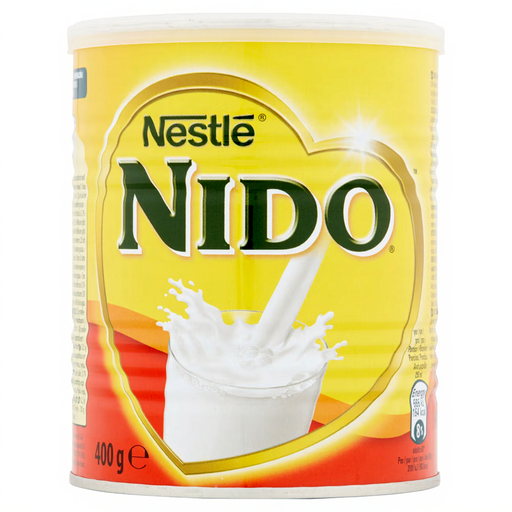
Why this fits the profile: The smaller pack is practical if you want to try NIDO first or use milk powder occasionally for drinks, desserts, cooking and baking.
You don’t have to buy a large supply straight away. The product description mentions dissolving in hot and cold water and use in recipes.
400 g pack; instant formula according to the product description; contains only milk as a listed ingredient, but always check the current label.
We’ve put together a full, up-to-date list of products that fully meet these strict selection criteria and comply with current European safety regulations.
Choose milk powder for cooking and baking when you’re mainly after milk components and a longer shelf life. Soya milk powder can suit anyone wanting to make a plant-based drink, but always check whether the product contains sugar. Yonho Pure Soy Milk Powder, for example, lists soya as an ingredient and 40 grams of protein per 100 grams. Lucovitaal Protein Soy Powder Pure is a concentrated soya protein product with 23 grams of protein per 25-gram serving.
A whey protein powder is a food supplement for adults. It doesn’t replace a varied diet. According to the permitted EU claim, protein contributes to the growth and maintenance of muscle mass, but stick to the recommended dosage and check the allergens.
This varies by product. Store the pack in a cool, dry place away from direct sunlight. Seal the pack carefully and follow the period after opening stated on the label. Some products recommend refrigeration after opening; follow that instruction.
Yes. Many whole and skimmed milk powders can, according to their product description, be used in coffee, tea, desserts, dough, sauces and other recipes. Adjust the amount of liquid in the recipe when adding powder directly.
No. Milk powder is dried milk and contains other nutrients such as fats and carbohydrates alongside protein. Protein powder, such as whey or soya protein isolate, is formulated to increase protein intake per serving. Always check the ingredients, nutritional values and instructions for use.
