
Vandaag of morgen in huis

Kwaliteit gegarandeerd

Welkomstaanbiedingen ontgrendelen: GRATIS bezorging | Tot 80% korting | Gratis 30 dagen JoyPlus-proefperiode
Download de app
Buying milk chocolate might seem straightforward, but the range on offer varies enormously. Whether you're after a classic milk chocolate bar, chocolate with caramel, pralines or a gift set, it's often the ingredients, size and allergen information that matter more than the packaging suggests.
As a Joybuy Product Recommendation Officer, I focus on verifiable product details. That way, you avoid choosing based solely on eye-catching design, a well-known name or a temporary offer.
A bar weighing 180 or 250 grams can be handy for sharing, but less suitable if you only want a small portion now and then. So look at the net weight, the number of individual portions and how the chocolate is packaged. Individually wrapped pieces can be practical for guests, a lunchbox or a chocolate gift.
Two bars can both be called milk chocolate, yet one might be a simple chocolate tablet while the other contains biscuit, caramel, nougat or a soft cream. Check the ingredients list for the order of ingredients. Those listed first are present in the highest proportion in the recipe.
With chocolate with caramel, it's also worth knowing whether real caramel pieces, caramel sauce or just caramel flavouring has been added. For pralines, the difference between a solid bar with praline and individual filled chocolates is noticeable in both use and texture.
A product may be suitable for vegetarians but still contain milk, soya, nuts or egg. A mention such as "may contain" is also important for people with an allergy. Always check the packaging of the batch you receive, as recipes and labels can change.
If you're looking for halal chocolate, it's wise to look for an explicit halal claim or certification. The Chocodate product information states halal certification. That doesn't automatically mean every other product in the same category is halal.
With milk chocolate, the cocoa percentage is often lower than with dark chocolate, but it remains a useful point of comparison. Tony's Chocolonely, for example, states a minimum of 32% cocoa solids for several of its milk chocolate bars. Milka Mmmax states a minimum of 33% cocoa solids.
A higher percentage doesn't on its own tell you how sweet, creamy or firm a bar will taste. So also look at the presence of milk powder, cocoa butter, nut paste, caramel and vegetable fats.
For one person, 90 to 100 grams can be a sensible amount. A size of 150 to 200 grams is more practical for sharing, while multipacks are suitable for several snacking occasions. With international products, also pay attention to the ratio of packaging to contents.
Examples from the range:
Many milk chocolates contain milk and soya. Varieties with nuts may contain almond, hazelnut, pistachio or other nuts. With a bar containing biscuit, wheat and gluten are often added.
Examples:
If you have an allergy, always use the current packaging as your guide. An online product description is useful for an initial selection, but it doesn't replace the label.
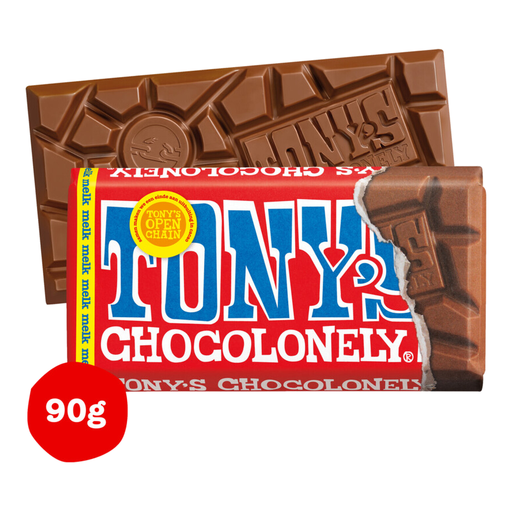
Why this fits the profile: The 90-gram size is a sensible choice if you want to try a classic Belgian milk chocolate bar without committing to a large pack.
The net weight is clearly stated and the product information mentions a minimum of 32% cocoa solids. This allows you to assess the size and recipe in advance.
90 grams; Belgian milk chocolate; vegetarian according to the product information; contains milk and soya.
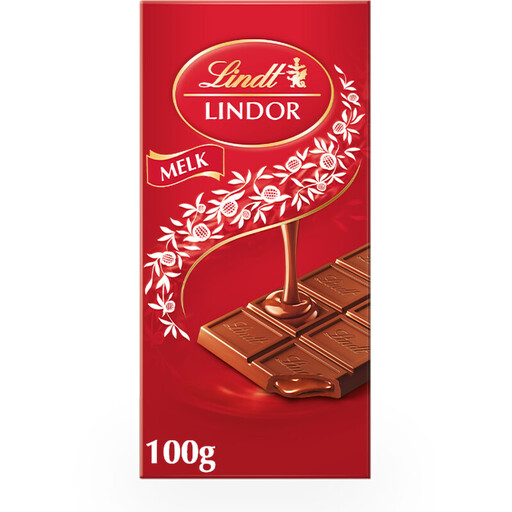
Why this fits the profile: This Swiss chocolate combines a milk chocolate shell with a soft, melting centre, making it ideal for a quiet moment of indulgence.
The product description mentions both the 100-gram size and the soft filling. So you know in advance you're not buying a standard hard tablet.
100 grams; soft filling; contains milk, soya, lactose and cereals containing gluten.
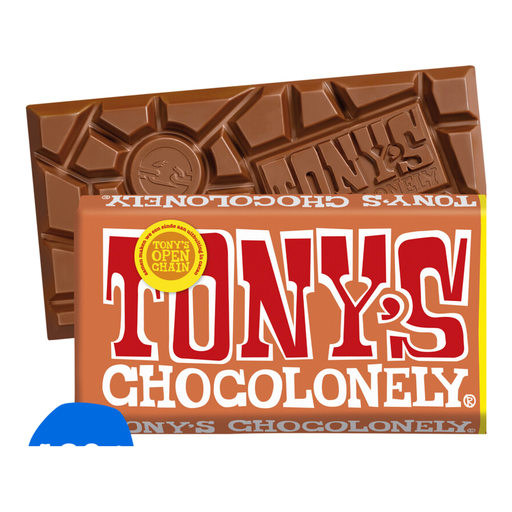
Why this fits the profile: The larger size is designed for sharing. The combination of milk chocolate, 10% caramel pieces and 0.5% sea salt offers more texture than a classic bar.
The amount of caramel and sea salt is specified in the product information. That's clearer than just a flavour name on the front.
180 grams; caramel pieces; sea salt; vegetarian according to the product information; contains milk and soya.
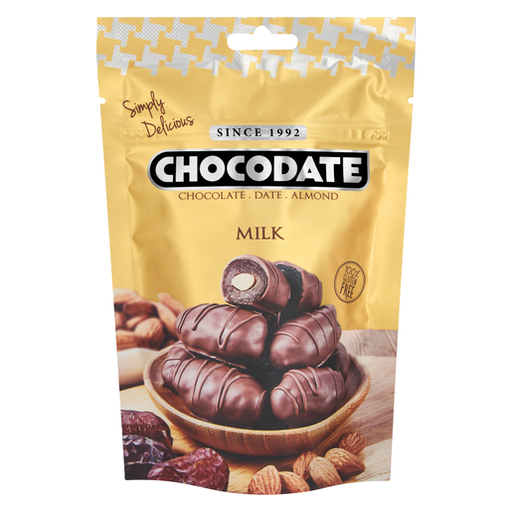
Why this fits the profile: Dates and whole almonds are coated in milk chocolate. The individual wrappers make this size suitable for sharing or giving as a small chocolate gift.
The product information specifically lists almonds, milk and soya as allergens and mentions halal certification. This helps with a targeted choice, but always check the current label again.
90 grams; individually wrapped; halal certified according to the product information; suitable for vegetarians and gluten-free according to the product information.
We've put together a full, up-to-date list of products that fully meet these strict selection criteria and comply with current European safety regulations.
Before you check out, check the best-before information, storage instructions and delivery conditions. Chocolate should generally be stored in a cool, dry place away from direct sunlight. In warm weather, the texture can change during transit, even if the product is still within its best-before date.
For a gift, size, packaging and shareability matter more than just the brand. A praline pack with individual pieces looks thoughtful, while a large bar can be suitable for a family or gathering. If you're after international flavours, you can choose Belgian chocolate, Swiss chocolate or products from countries including Japan and Turkey. When doing so, pay extra attention to the Dutch allergen information.
That varies by product. Tony's Chocolonely Milk Chocolate and the Chocodate are listed as suitable for vegetarians according to the product information provided. Check the current packaging, especially if you need to consider cross-contamination or specific ingredients.
Store chocolate in a cool, dry place, away from direct sunlight, heat and moisture. Seal the packaging well after opening. The exact storage advice and best-before date are on the packaging.
Look for an explicit halal claim or certification in the product information and check the label when you receive it. Also pay attention to allergens such as milk, soya, nuts and gluten. Halal suitability does not automatically mean it's suitable for every allergy or diet.
