
Vandaag of morgen in huis

Kwaliteit gegarandeerd

Welkomstaanbiedingen ontgrendelen: GRATIS bezorging | Tot 80% korting | Gratis 30 dagen JoyPlus-proefperiode
Download de app
Microfibre cloths may seem straightforward, but the differences between cleaning cloths are noticeable in practice. A cloth can be suitable for glass, yet less practical for grease in the kitchen. What’s more, an unclear material composition, a size that’s too small, or incorrect washing can mean a cloth quickly becomes less effective.
If you’re looking to buy microfibre cloths, it’s worth looking beyond just the price or the number of pieces. Make sure you check what the cloth is intended for, how big it is, and what care instructions apply.
The term microfibre is often used as a general product name. However, the composition can vary from one item to another. For example, the range includes cloths made from polyester and polyamide, as well as products that are specified as 100% viscose or cellulose.
This difference can matter for how you use them. A cloth with a fine texture is generally aimed at smooth surfaces, while viscose or sponge cloths are better suited to wet cleaning in the kitchen and bathroom. So always read the material information, not just the title.
A pack with lots of pieces can look appealing, but small cloths are less practical for windows or larger surfaces. Check the dimensions of each cloth and, if you like, work out the price per piece. For everyday use across several rooms, a set of 10 can be handy. For a specific job, one larger cloth may be enough.
Product descriptions may state that a cloth leaves no streaks or marks. This is a product claim from that particular description and not a guarantee for every surface or cleaning situation. Dust, grit and too much cleaning product can still cause scratches or streaks.
For glass and mirrors, it helps to remove coarse dirt first, use a clean cloth, and buff the surface with a dry cloth. For windows, it’s best to use a separate glass cleaning cloth so that grease and dirt from the kitchen don’t end up on the glass.
For smooth surfaces such as windows, mirrors, screens and stainless steel, a soft texture and as little lint as possible are important. The product information for some microfibre cloths mentions use on glass, LCD screens and lenses. Always check the manufacturer’s instructions for delicate surfaces and test the cloth on an inconspicuous area first.
For wet tasks, such as wiping down worktops, the sink or the bathroom, absorbent kitchen cleaning cloths or sponge cloths are often more practical. These are usually easy to wring out and designed for everyday household use.
Many common sizes are around 30 × 30 cm. That size is easy to hold and suitable for furniture, kitchen fronts and car interiors. A cloth of 35 × 35 cm offers a bit more surface area for windows and car glass. Larger floor cloths, such as 50 × 60 cm, are intended for other uses and are less suitable for fine glassware.
Also pay attention to the number of pieces:
Reusable cleaning cloths are only practical if they are washed correctly. The instructions vary from product to product. The available product information mentions washing at 40 °C and a maximum of 60 °C.
With microfibre cloths, it’s best not to use fabric softener. According to the care instructions for several products, this can affect how the fibres work. Wash cloths for the bathroom, kitchen and car separately if you want to limit the transfer of odours and dirt. Let them dry thoroughly before storing them.
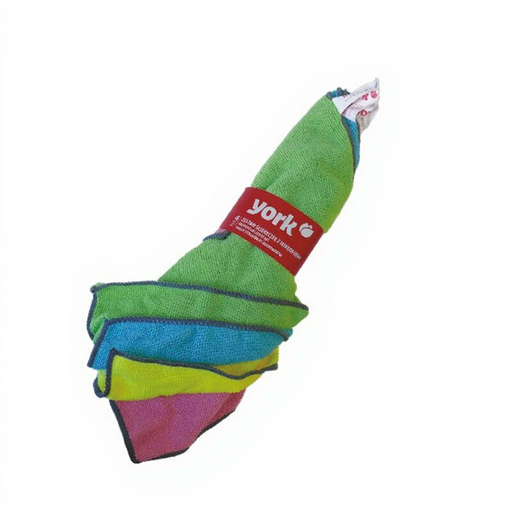
Why this fits the profile: A set of four cloths in a standard size offers a simple starting point for the kitchen, bathroom, mirrors and furniture. According to the product information, they can be used dry or wet.
The size and quantity are clearly stated, so you can compare the amount and price per cloth.
30 × 30 cm, pack of 4, suitable for various surfaces and machine washable according to the product information.

Why this fits the profile: The stated density of 260 g/m² provides a concrete point of comparison for anyone who doesn’t want to choose based on colour or packaging alone.
The product specification lists material, size, density and washing instructions, rather than just general terms.
260 g/m², 30 × 30 cm, suitable for glass, screens, car and office according to the product information.
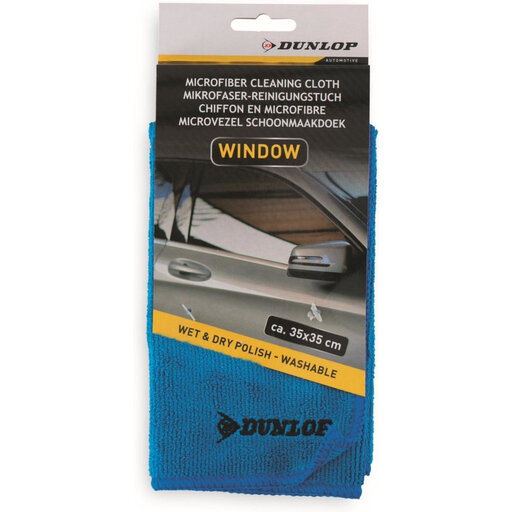
Why this fits the profile: According to the product description, this cloth is designed for glass and car windows. The 35 × 35 cm size is suitable for anyone who regularly cleans windows or car interiors.
The application and size are specifically stated. Do note: the product specification lists 100% viscose, so check whether that matches your expectation of microfibre.
35 × 35 cm, blue colour, and suitable for warm and cold water according to the product information.
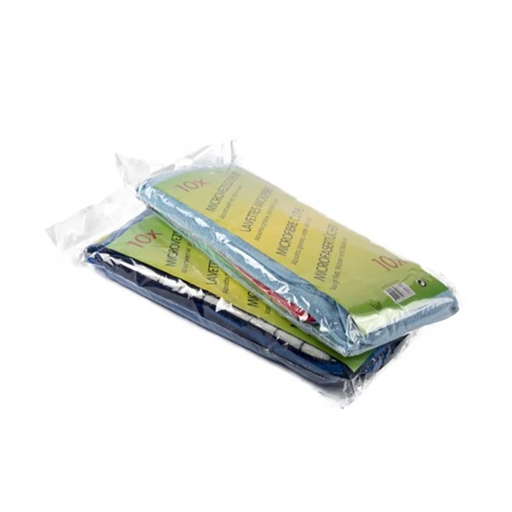
Why this fits the profile: With ten cloths, you can divide them by colour or task across the kitchen, bathroom, glass and electronics. That’s practical for frequent cleaning.
The set prevents you from using the same cloth for different sources of dirt. The care instructions mention washing without fabric softener.
10 pieces, reusable according to the product information, and suitable for household surfaces, glass and electronics.
We’ve put together a full, up-to-date list of products that fully meet these strict selection criteria and comply with current European safety regulations.
For the car interior, a separate car cleaning cloth is a good idea. This prevents grease from the kitchen or dirt from the floor from getting onto dashboards, displays and upholstery.
That depends on the quality, the use and the care instructions. Washable cloths can be used several times, but check the fibres, edges and absorbency after each wash. Do not use fabric softener if the manufacturer advises against it.
Yes, many products can be used dry or damp according to their product description. For dust, dry use is often enough. For grease or stubborn dirt, a suitable, diluted cleaning product may be needed. Always check that the product is safe for the surface.
Choose a soft cloth in a size that feels comfortable in your hand, for example 30 × 30 cm or 35 × 35 cm. A special glass cleaning cloth can be suitable for smooth glass. Work with a clean cloth and remove coarse dirt first to help prevent scratches and streaks.
