
Vandaag of morgen in huis

Kwaliteit gegarandeerd

Welkomstaanbiedingen ontgrendelen: GRATIS bezorging | Tot 80% korting | Gratis 30 dagen JoyPlus-proefperiode
Download de app
Buying mayonnaise online might seem straightforward, but the range varies widely in flavour, ingredients, size and use. A classic mayonnaise for chips calls for something different to Japanese mayonnaise for sushi or a spicy option for burgers. This practical guide will help you avoid ordering a bottle that’s too big, the wrong flavour, or a product containing allergens you don’t want.
A 750 ml bottle of mayonnaise can look like good value if you regularly eat chips, salads or sandwiches. If you only use mayonnaise now and then, a smaller size might be wiser. A 160 to 355 ml bottle is more practical when you want to try a new flavour or have limited fridge space.
Words like “creamy”, “authentic” or “rich” don’t tell you exactly how much oil, egg yolk, vinegar or seasoning a product contains. So look at the ingredients list instead. Oil percentages vary, for example: Remia states 68% rapeseed oil, while Oliehoorn Mayonnaise lists 80% and Zaanse mayonnaise 78% rapeseed oil. That can affect the texture and mouthfeel, but it doesn’t automatically determine which option is right for you.
Many standard mayonnaises contain egg and mustard. Japanese varieties such as Kewpie may also list soya. Wasabi mayonnaise can contain mustard, sulphites and horseradish. Always check the label on the packaging you receive, especially if you have an allergy or dietary preference. It’s also important to follow the storage advice given and, if stated, keep an opened bottle refrigerated.
The base of mayonnaise is usually oil, egg or egg yolk, vinegar or lemon juice, and seasonings. A higher oil percentage can give a fuller texture. According to the product information, Van Wijngaarden’s Zaanse mayonnaise contains 78% rapeseed oil and 6% free-range egg yolk. Oliehoorn lists 78% rapeseed oil and 6% free-range egg yolk in its ingredients.
Also look out for extra ingredients. Some sauces contain preservatives, thickeners, flavourings or colourings. That’s not necessarily a bad thing, but it helps you compare products objectively.
Choose the size based on how you’ll use it:
A squeezy bottle is handy for portion control and makes it easy to serve straight onto chips, burgers or a sandwich. When you receive it, check the seal, best-before date and whether the packaging is damaged.
For mayonnaise for chips, classic, creamy options like Remia, g’woon or Oliehoorn work well. For mayonnaise for burgers, you can choose a firmer classic sauce or a spicy version. Sriracha mayo combines creaminess with chilli and garlic. Japanese mayonnaise typically has a pronounced umami flavour and suits sushi, grilled dishes and sandwiches.
Truffle mayonnaise and wasabi mayonnaise are more distinctive. Use them as a dip, with fish or meat, on sushi or in a dressing. A small pack limits waste if you’re not yet sure about the flavour.
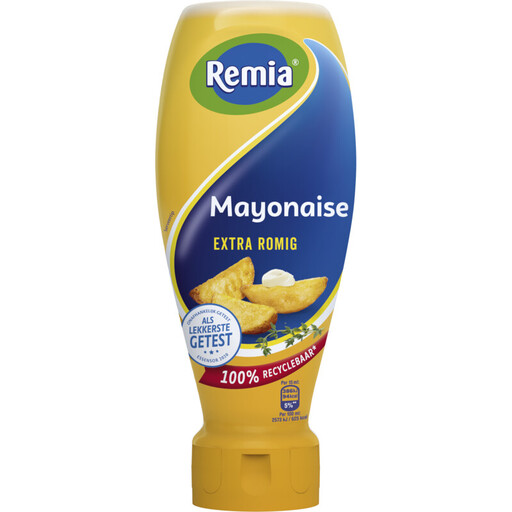
Why this fits the profile: A medium-sized bottle for everyday use with potatoes, snacks, sandwiches and salads.
The size stops you from buying a large bottle straight away without trying the flavour first. The ingredients list states 68% rapeseed oil.
500 ml, squeezy bottle, free-range egg yolk according to the product information, and labelled as gluten-free.
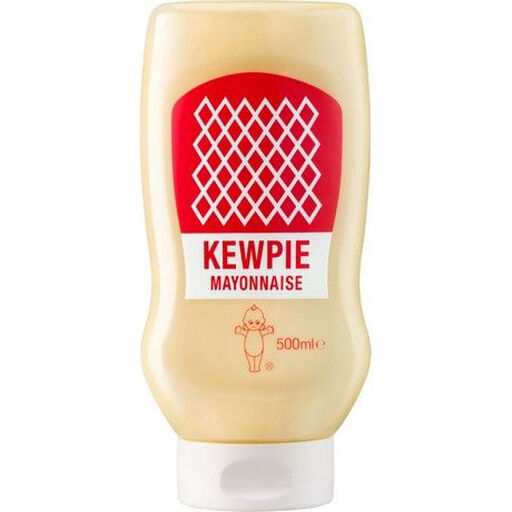
Why this fits the profile: For anyone looking for a distinctive Japanese mayonnaise with egg yolk, vinegar and an umami-like flavour.
The flavour direction and ingredients are clearer than a generic “creamy” claim. Do check the listed allergens: egg, soya and mustard.
500 ml, squeezy bottle and suitable for sushi, salads, sandwiches, grilled dishes and dips.
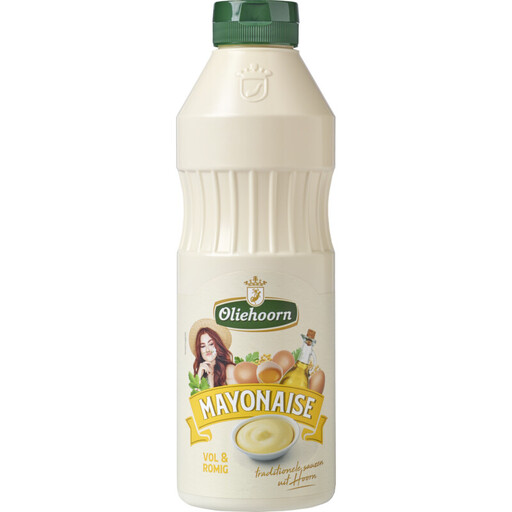
Why this fits the profile: The large bottle is practical for families, parties, barbecues and regular use with chips and snacks.
The 80% oil content is clearly shown in the product name. That makes it easier to compare directly rather than relying on packaging claims alone.
750 ml, 80% stated in the name and, according to the product information, suitable as a base for dressings and sauces.
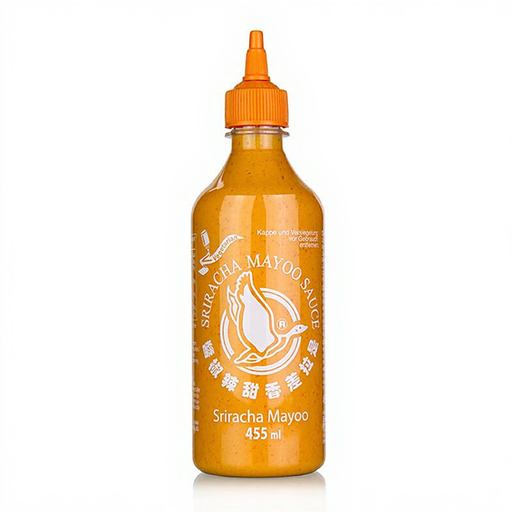
Why this fits the profile: For burgers, chips, sandwiches and anyone who wants a sauce with chilli and garlic without having to mix it themselves.
The product description specifically mentions sriracha sauce, chilli and a 455 ml bottle. Check the ingredients for egg and mustard.
455 ml, ready-to-use sriracha mayo and, according to the product information, free from artificial colourings.
We’ve put together a full, up-to-date list of products that fully meet these strict selection criteria and comply with current European safety regulations.
For chips, many households choose a classic mayonnaise with a creamy texture, such as Remia, g’woon, Oliehoorn or Zaanse mayonnaise. If you want a bit more kick, try sriracha mayo or a spicy truffle mayonnaise.
Japanese mayonnaise, such as Kewpie mayonnaise, uses a distinctive combination of egg yolk and vinegar. The flavour is often described as fuller and umami-like. According to the product information, Kewpie suits sushi, salads, sandwiches and grilled dishes. Always check the current ingredients list and allergens on the packaging.
The shelf life varies by product and is stated on the packaging. Store opened mayonnaise according to the advice given, usually refrigerated and tightly sealed. Don’t use any product where the packaging is damaged or where the smell, colour or texture has clearly changed.
