
Vandaag of morgen in huis

Kwaliteit gegarandeerd

Welkomstaanbiedingen ontgrendelen: GRATIS bezorging | Tot 80% korting | Gratis 30 dagen JoyPlus-proefperiode
Download de app
Whether you're an avid athlete, spend long days at a desk, or simply suffer from stiff muscles, a massage gun can seem like an effective solution. However, the market is flooded with options, and not every device is worth the price. Many models are advertised with specs that add little practical value. As a Joybuy Product Recommendation Officer, I'll help you cut through the marketing jargon so you can make an informed decision.
Before you buy a massage gun, it's crucial to recognise the common pitfalls that lead to a purchase you'll regret.
To avoid a bad purchase, it's better to focus on a few key specifications that determine how effective and pleasant a massage gun is to use.
This is arguably the most important specification. Amplitude is the distance the massage gun's head travels back and forth. A greater amplitude provides a deeper massage that better reaches the muscle tissue.
Nobody wants to relax to the sound of a power drill. A brushless motor is the current standard. These motors are quieter, last longer, and deliver more consistent power. An ideal quiet massage gun produces less than 55 decibels at a medium setting, comparable to the sound of a quiet conversation.
Consider practical usability. A model with a USB-C connection is convenient, as you can use the same charger as your phone or laptop. A realistic battery life of 3 to 5 hours with normal use is more than enough for most people. This means with weekly use, you'll only need to charge it once every few weeks.
Below is a selection of models that score well on the above criteria, tailored to different users.
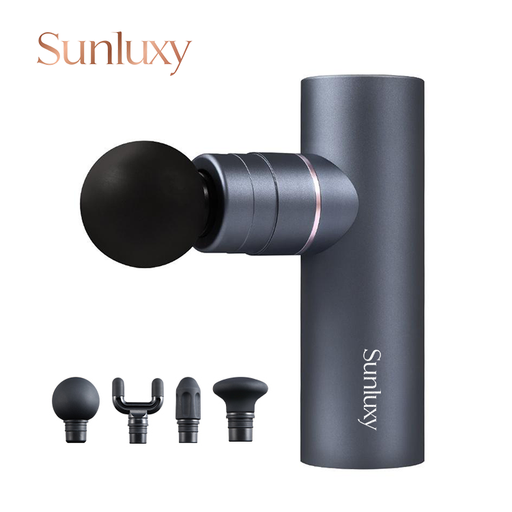
Why This Fits Their Persona: Ideal for anyone trying a massage gun for the first time. This model offers effective relief for everyday stiffness or post-workout muscle soreness without requiring a major investment. It's a practical muscle recovery device for home use.
This model focuses on the essentials: 5 speeds and 4 versatile attachments that cover most muscle groups. No superfluous extras that drive up the price.
According to the manufacturer, it has a very long battery life (up to 9 hours on the lowest setting). Its compact and lightweight design makes it a convenient mini massage gun for home or on the go.
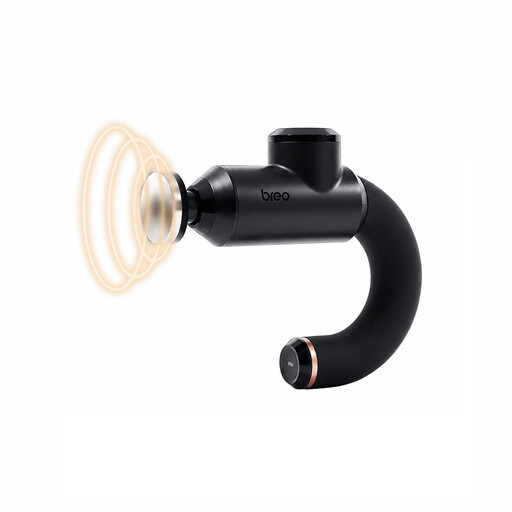
Why This Fits Their Persona: Designed for athletes who need a powerful tool for muscle recovery, releasing knots, and preparing muscles for a workout. The combination of power and heat is geared towards performance enhancement.
The power (12 mm amplitude) and heating function are not marketing gimmicks here, but functional upgrades that genuinely contribute to deeper, more effective muscle recovery.
The integrated heating function warms up muscles and can improve blood circulation. The powerful motor delivers a true deep tissue massage, which is essential for rapid recovery.
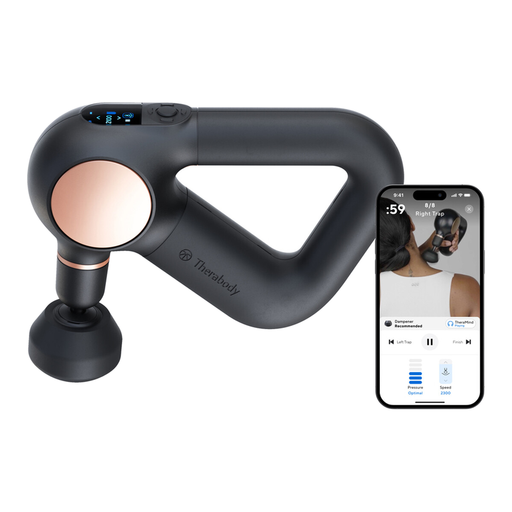
Why This Fits Their Persona: Perfect for office workers with neck and shoulder tension or anyone seeking relaxation and stress relief. The focus is on ease of use and a calming experience, not on maximum power.
This model doesn't compete on specs that are unnecessary for daily relaxation. Instead, it invests in a superior user experience with a unique handle and smart features.
The patented triangular grip makes it easy to self-massage your back and shoulders. According to Therabody, the companion app offers guided routines for breathing and relaxation.
We have compiled a complete, up-to-date list of products that fully meet these strict selection criteria and relevant safety standards.
A general guideline is to massage a specific muscle group for no more than 1-2 minutes at a time. A total session of 10-15 minutes for the entire body is usually sufficient. Overuse in one spot can lead to bruising or irritation. Do not use the device on bones, joints, or the front of your neck. If you have medical conditions or are pregnant, always consult a doctor first.
The difference often lies in the build quality, motor, and extra features.
Yes, but with caution. A massage gun for muscle soreness in the neck can be effective, but only use it on the soft muscle tissue of the shoulders and the back of the neck (trapezius muscle). Avoid the spine and the front of the neck. Always start on the lowest setting and use a softer attachment, like the round ball. If the pain persists or worsens, stop using it and consult a professional.
