
Vandaag of morgen in huis

Kwaliteit gegarandeerd

Welkomstaanbiedingen ontgrendelen: GRATIS bezorging | Tot 80% korting | Gratis 30 dagen JoyPlus-proefperiode
Download de app
Anyone looking to buy a mango drink online will quickly come across dozens of varieties: from Asian mango drinks and mango fruit drinks to mango soft drinks, sparkling mango drinks and multipacks. The packaging often features a large mango, while the actual fruit content can vary considerably. Terms such as “juice”, “drink” and “sap” do not always indicate the same type of product either.
With a few simple checks, you can compare products more effectively and avoid paying unnecessarily for a drink that does not suit your taste or intended use.
Always check the ingredients list and the percentage of mango. For example, one mango drink may contain 13% mango purée, while another lists 19% mango purée or 30% mango juice. A higher mango content does not automatically mean you will prefer the taste, but it does make comparisons more meaningful.
Also look out for mixed fruit drinks. According to the product information, DubbelDrank Mango Guanabana contains apple, mango, orange and guanabana, among other ingredients. Its mango content is 8%. This is therefore different from a drink based primarily on mango.
A sugar-free mango drink may contain little or no sugar, but it may still contain sweeteners. Wicky Mango Fruit Drink lists less than 0.1 grams of sugar per 100 ml and contains sucralose and acesulfame-K. Iam Superjuice states “no added sugar”, but contains steviol glycosides.
If you want to avoid ordinary sugar, check both of the following:
A mango soft drink usually contains carbonation and is ideal with a meal or as a chilled treat. A still mango drink is often more convenient at breakfast, lunch or when serving larger groups. A product such as KATO with nata de coco also contains pieces of coconut jelly. This may appeal to bubble tea fans, but it is less practical if you are looking for a smooth drink.
Compare the percentage of mango, but also check for other fruit varieties, juice from concentrate and mango purée. Rubicon Still Mango Deluxe lists 19% mango purée. Maaza Mango lists 17% mango purée and 1% lemon juice from concentrate. According to the product information, FOCO Mango Passion Fruit contains 10% mango juice and 5% passion fruit juice.
A mango juice with added apple, passion fruit or guanabana has a different flavour profile from a single-fruit mango drink.
Use the values per 100 ml rather than relying only on the information on the front of the pack. Examples from the product details listed:
Nutritional values do not determine your personal preference, but they do help you compare products objectively.
A 1-litre bottle is practical for a household, but once opened, the drink should be stored in the fridge according to the packaging and used within the stated period. Small bottles or cans are more convenient when you are out and about and reduce the number of opened packs.
For regular use, a multipack may be more appealing. Check the total quantity: 6 × 250 ml is 1.5 litres, while 6 × 1 litre comes to 6 litres. Also check delivery costs, storage space and the best-before information on the packaging.
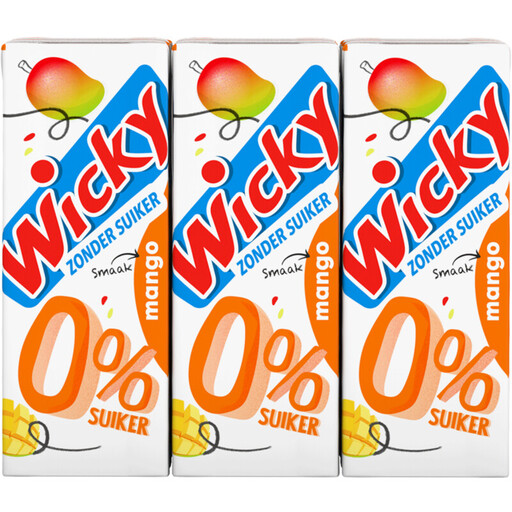
Why it suits this profile: The small packs are ideal for lunchboxes, families and shoppers who want to try a sugar-free mango drink first.
The nutritional information lists less than 0.1 grams of sugar per 100 ml. The ingredients list does show the sweeteners used and just 0.2% mango from concentrate.
6 packs of 200 ml, approximately 1 kcal per 100 ml and added vitamin C according to the product information.
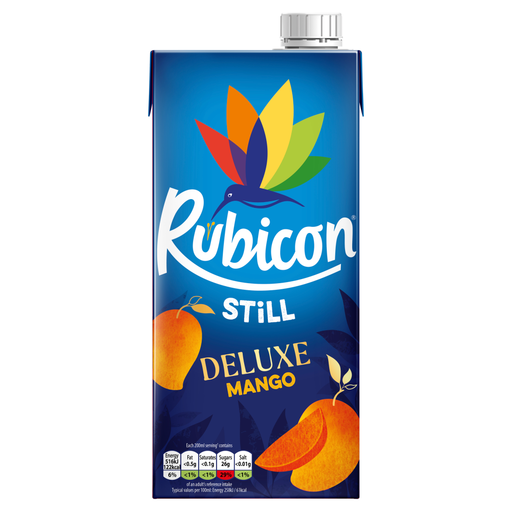
Why it suits this profile: For anyone looking for a still mango drink with a clearly stated mango content for enjoying at home and with meals.
The product information states a mango content of 19%. Sugar, fructose and sweeteners are also listed separately.
1-litre pack, 19% mango purée and 61 kcal per 100 ml according to the nutritional information provided.

Why it suits this profile: The 12-pack of 330 ml cans is ideal for offices, events, families and shoppers who want to stock up.
The product description states 30% mango and no added sugar. However, check the current packaging for the full ingredients list.
12 cans of 330 ml, 17 kcal per 100 ml and steviol glycosides as a sweetener according to the product description.
We have put together a complete, up-to-date list of products that fully meet these strict selection criteria and the applicable European safety regulations.
This varies by product category. In the selection mentioned, Iam Superjuice lists 30% mango, Rubicon Still Mango Deluxe 19% mango purée and Maaza Mango 17% mango purée. Always check the ingredients list on the current packaging, as product information may change.
Not always. “Mango sap” generally refers to juice or juice from concentrate, while “mango drink” or “mango fruit drink” may also contain water, sugar, sweeteners, flavourings and stabilisers. Therefore, check the legal product name, fruit percentage and ingredients rather than relying solely on the name on the front of the pack.
Follow the instructions on the packaging. For the chilled fruit drinks mentioned, the guidance generally states that you should store the bottle or carton in the fridge after opening and use it within the stated period. Close the packaging securely and do not buy a product whose seal is damaged on arrival.
