
Vandaag of morgen in huis

Kwaliteit gegarandeerd

Welkomstaanbiedingen ontgrendelen: GRATIS bezorging | Tot 80% korting | Gratis 30 dagen JoyPlus-proefperiode
Download de app
Buying a mango drink might seem straightforward, but the range on offer varies enormously. One bottle contains mostly water and flavouring, while another has a significant proportion of mango purée. What’s more, terms like mango juice, mango nectar and mango fruit drink aren’t always used consistently.
For British households, size, sugar content and storage convenience also matter. A small can is handy for on the go, whereas a 1-litre mango drink works better for breakfast or a family meal. Keeping these points in mind will help you avoid relying solely on the packaging or a tropical image.
The name ‘mango juice’ doesn’t automatically tell you how much mango is actually in it. Always check the ingredients list and look for mango purée, mango juice or mango from concentrate. Also pay attention to the percentage. For example, Rubicon Still Mango Deluxe contains 19% mango purée according to the product information, while Wicky Mango Fruit Drink lists 0.2% mango juice from concentrate.
A tropical-looking label can therefore suggest a more intense fruit flavour than the actual ingredients justify.
A sugar-free mango drink may still contain sweeteners. Wicky Mango Fruit Drink, for instance, states that the product contains no sugar, but does include sucralose and acesulfame-K as sweeteners. That’s quite different from a drink with no sweet taste at all.
If you want a mango drink with no added sugar, always check the full ingredients list. According to the product description, Iam Superjuice Mango has “no added sugar”; the drink contains steviol glycosides and 30% mango juice.
A mango drink multipack can be good value and convenient, but not every household gets through several litres quickly. Pay attention to the volume per pack, the shelf life and the storage instructions once opened. A 330 ml can is ideal for a single serving, whereas a 6 x 1-litre pack only makes sense if you drink it regularly with several people.
First, compare the mango proportion. A drink made with mango or apple concentrate can taste quite different from one made with mango purée. Some varieties combine mango with other fruits. For example, DubbelDrank Mango Guanabana contains apple, mango, orange and guanabana. G’woon Mango Passion Fruit blends mango with passion fruit and apple.
If you want a clear mango taste, choose a product where the mango content is clearly stated. If you’re after a refreshing blend, apple, passion fruit, pineapple or guanabana could be interesting options.
Look at the nutritional values per 100 ml, not just per can or bottle. The figures vary across the range:
These figures come from the available product information. Always check the current label before purchase, as recipes or packaging may change.
Choose a size that suits your situation:
Also consider the type of drink. A sparkling mango drink contains carbonation and has a fresher, slightly tingling texture. KATO Mango Juice with Nata De Coco contains pieces of nata de coco, giving you a soft, jelly-like texture alongside the liquid. That makes this drink quite different from standard mango juice.
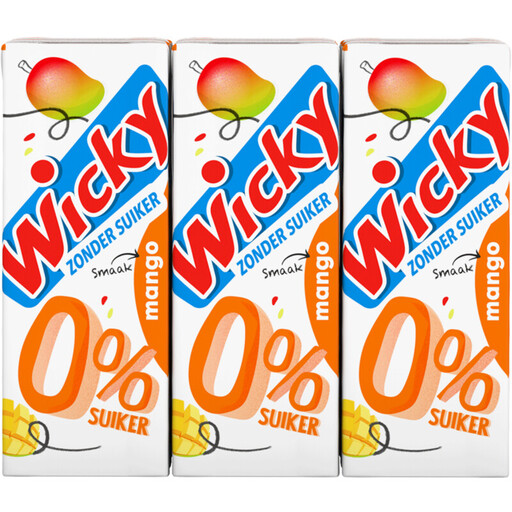
Why this fits the profile: The 200 ml single-serve packs are easy to take with you and ideal for individual drinking occasions. The product information states less than 0.1 g sugar per 100 ml.
The ingredients make it clear that the low sugar level is achieved through sweeteners. The mango content is limited to 0.2%, so you shouldn’t expect a high fruit percentage.
6 x 200 ml, less than 0.1 g sugar per 100 ml and added vitamin C according to the label.
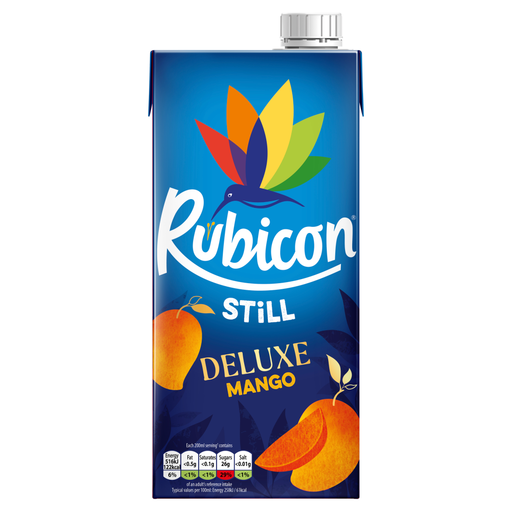
Why this fits the profile: With 19% mango purée according to the product description, this is a logical choice if you want a stronger mango taste rather than a light fruit flavour.
The mango content is clearly stated in the product specifications. The drink does contain sugar and fructose, so check the nutritional values if that matters to you.
1 litre volume and 19% mango purée according to the stated product information.

Why this fits the profile: The box contains 12 cans of 330 ml, totalling 3.96 litres. That suits households, shared use and anyone who likes to keep a good stock at home.
The product description mentions 30% mango juice and no added sugar. The drink is sweetened with steviol glycosides, so read the label if you want to avoid sweeteners.
12 x 330 ml, 30% mango juice according to the product information and 17 kcal per 100 ml.
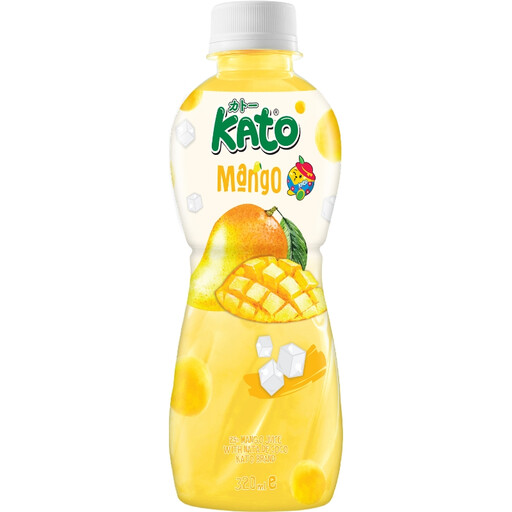
Why this fits the profile: This 320 ml drink combines mango juice with nata de coco. That offers a different drinking experience compared to standard mango juice.
The nata de coco is clearly stated in the product name, so you’re not relying solely on a mango image. The available information does not list a fruit percentage.
320 ml per bottle and nata de coco for extra texture; according to the product information, free from the 14 major EU allergens.
We’ve put together a full, up-to-date list of products that fully meet these strict selection criteria and comply with current European safety regulations.
No. Mango juice usually refers to a product where juice or purée forms a clear part of the recipe. A mango fruit drink may also contain plenty of water, other fruit juices, sugar, sweeteners or flavourings. Always check the fruit percentage and the ingredients list.
That depends on your definition of low sugar. Wicky states less than 0.1 g sugar per 100 ml and uses sweeteners. Iam Superjuice states 17 kcal per 100 ml and no added sugar, but contains steviol glycosides. Always compare both the nutritional values and the ingredients.
Follow the instructions on the packaging. For the products mentioned, the general rule is: refrigerate after opening and consume within the stated period. Seal the bottle or can tightly and check the best-before date and any warnings on the label before use.
