
Vandaag of morgen in huis

Kwaliteit gegarandeerd

Welkomstaanbiedingen ontgrendelen: GRATIS bezorging | Tot 80% korting | Gratis 30 dagen JoyPlus-proefperiode
Download de app
Buying liquorice seems simple, until you have to choose between sweet liquorice, salty liquorice, soft liquorice, mint liquorice and sugar-free varieties. Packaging often emphasises flavour, tradition or a standout recipe. Yet it’s the ingredients list, allergen information, nutritional values and texture that really tell you whether a bag of liquorice is right for you.
As a Joybuy Product Recommendation Officer, I filter the most important product information so you can compare with confidence and order liquorice online without unnecessary missteps.
Sugar-free liquorice usually contains sweeteners such as maltitol, erythritol or steviol glycosides. That doesn’t mean the product is free of carbohydrates. For example, Klene Sugarfree Liquorice Hearts contains 0 grams of sugar per 100 grams, but still has 59 grams of carbohydrates, of which 57 grams are polyols.
On several products, the packaging also states that excessive consumption may have a laxative effect. So don’t just look at the word sugar-free — check the sweeteners used and the recommended serving size too.
Dutch liquorice, Klene liquorice, Venco liquorice and Oldtimers liquorice can all differ in firmness, sweetness, salt content and ingredients. A product made in the Netherlands is not automatically gluten-free, vegan or suitable for vegetarians.
Venco Droptoppers Crackling & Soft is described as gluten-free in the product information, while the listed ingredients include wheat flour. If you have an allergy, always check the actual packaging and contact the manufacturer if the information is contradictory.
“Sweet liquorice” can be soft, firm or chewy. Honey liquorice may have a distinct honey flavour, but can also just taste sweet. Mint liquorice can be mild or have a pronounced fresh kick. So look for terms like soft, firm, chewy and read the product description.
First, check the ingredients that matter to you:
A product free from the 14 major EU allergens is not the same as a vegan product. For instance, Klene Sugarfree Mint Licorice is listed as containing none of these allergens, but it does contain gelatine and beeswax.
Choose based on when you’ll be eating it and your personal preference:
Pay attention to the net weight and the closure. A 300-gram bag is handy for sharing, while a resealable bag of 90 to 110 grams is better for eating on the go. Store liquorice according to the packaging: cool, dry and away from direct sunlight. Seal the bag well after opening to prevent drying out and loss of quality.
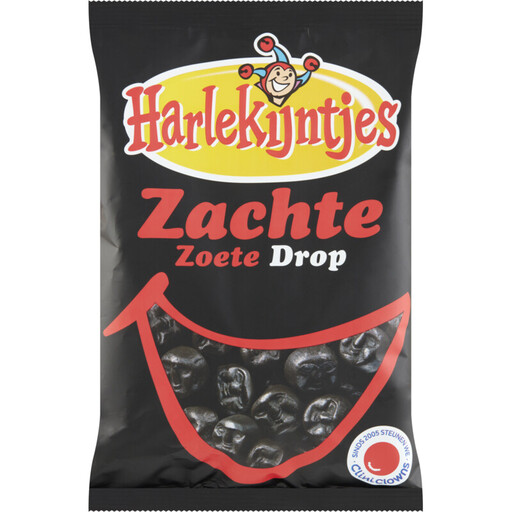
Why this suits the profile: A large pack of soft, sweet liquorice for households looking for a mild flavour to share.
The product information clearly states it’s a soft and sweet variety. The ingredients list mentions wheat flour and gelatine, so you can check in advance whether it’s suitable.
300 grams content, soft texture and 58 grams of sugar per 100 grams according to the product data.
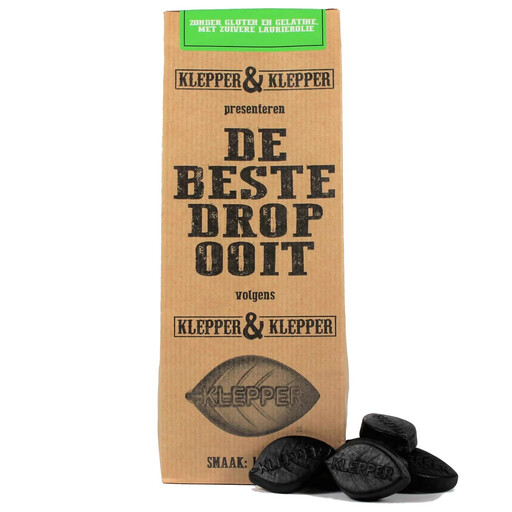
Why this suits the profile: For those who value a quick allergen check and a neat 200-gram pack when buying liquorice.
The product information states it contains none of the 14 major EU allergens. Always check the label on the packaging before purchase, though.
200 grams content and a stated absence of the 14 major EU allergens.
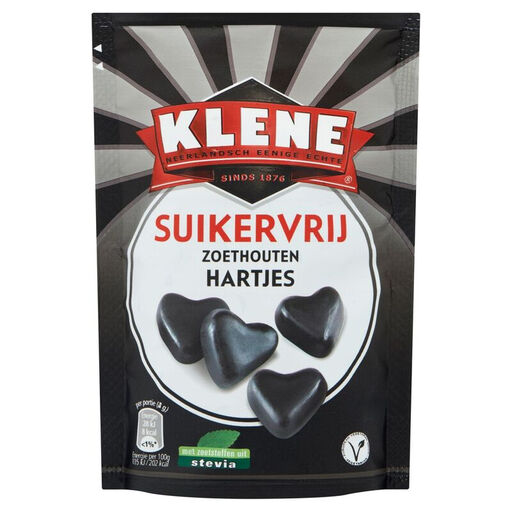
Why this suits the profile: A resealable bag for those who regularly take small portions with them or store them.
The bag is sugar-free, but the product information lists 57 grams of polyols per 100 grams. This shows why it’s important to look beyond the front of the pack.
110 grams content, 0 grams of sugar per 100 grams and a resealable pack.

Why this suits the profile: For those looking for liquorice that is vegan, gelatine-free and gluten-free according to the product information.
The stated composition uses gum arabic instead of gelatine and lists no wheat ingredient. If you have allergies, check the actual packaging.
235 grams content, vegan and gluten-free according to the product data, with gum arabic and natural colourings and flavourings.
We’ve put together a full, up-to-date list of products that fully meet these strict selection criteria and comply with current European safety regulations.
Look for sugar-free liquorice with sweeteners, then check the nutritional information table. Products with maltitol or other polyols may still contain a lot of carbohydrates. Also bear in mind the warning that excessive consumption may have a laxative effect.
No. Many soft liquorice products contain wheat flour and gelatine. Look specifically for a product labelled gluten-free or vegan and check the ingredients list. If you have an allergy, the actual packaging is what counts.
The best-before date is on the packaging. After opening, the quality stays better if you seal the bag well and store the liquorice cool, dry and away from direct sunlight. Watch out for changes in smell, colour, texture or a damaged pack.
