
Vandaag of morgen in huis

Kwaliteit gegarandeerd

Welkomstaanbiedingen ontgrendelen: GRATIS bezorging | Tot 80% korting | Gratis 30 dagen JoyPlus-proefperiode
Download de app
Are you looking to buy liqueurs and speciality drinks, but struggling to tell the difference between fruit liqueur, cream liqueur, Korean soju and sake? A flashy label doesn't tell you much about the actual flavour you'll get. And a low alcohol percentage doesn't automatically mean a drink is less sweet.
That's why the Joybuy Product Recommendation Officer filters on verifiable points: volume, alcohol percentage, ingredients, allergens and the occasion for use. This way, you can avoid a bad buy for a party, cocktail evening or dinner at home.
Peach, mango, lychee or grape on the label sounds straightforward, but the flavour can come from fruit extract, flavouring, juice or a combination of these. If you want to buy a fruit liqueur for drinking neat, it's worth checking the ingredients list. A sweet liqueur for cocktails doesn't need to have the same depth of flavour as a drink you serve chilled on its own.
A 12% ABV bottle isn't directly comparable to a 26% ABV liqueur, especially when you're using different serving sizes. Across the range, percentages vary from 0% for a non-alcoholic aperitif to 26% in the product description for Pallini Limoncello. Always check the percentage on the actual packaging. In the Pallini listing, the title states 14.5%, while the detailed product information mentions 26%. You need to verify this difference against the label before purchasing.
A cream liqueur, coconut liqueur or advocaat may contain milk or egg. Other drinks may contain grains such as wheat. So check the allergen information, especially if you're giving the bottle as a gift or serving it to several guests. Store opened bottles according to the label, tightly sealed and out of direct sunlight. A non-alcoholic aperitif may also have a limited shelf life once opened.
First, look at the alcohol percentage, millilitres and the estimated number of glasses. A 350 ml or 360 ml bottle is suitable for a small group or tasting. A 700 ml bottle is more practical for cocktails and desserts when entertaining a larger group. A 1.5-litre sake bottle, such as Ozeki Junmai Sake, is ideal when you're drinking with several people or want to serve the drink with different dishes.
Use the product description as a starting point, but make a distinction between:
Also check whether the drink is intended to be served chilled, with ice, neat or as a cocktail base. The product descriptions for various sojus, for example, mention serving chilled or using in cocktails. That makes them suitable for a casual evening, but the sweetness and aromas can vary between variants.
With a cream liqueur, milk is a key consideration. El Picu Coconut Liqueur lists milk and milk derivatives. Advocaat contains 43% free-range egg product according to the product information and has an alcohol percentage of 8%. ChumChurum Soju Peach and various other soju variants mention wheat or a drink base that may be distilled from rice and/or wheat.
Also pay attention to sugar and calories if that's relevant to your choice. Pallini Limoncello lists 30g of carbohydrates and 30g of sugar per stated nutritional value. Product information can vary by packaging or market; always check the current label before use.
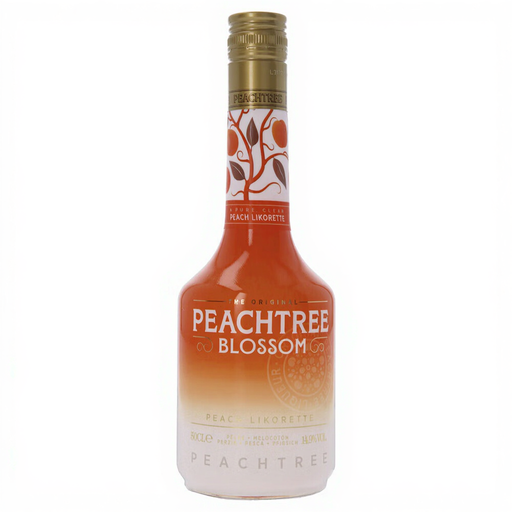
Why this suits the profile: The product information states a peach flavour, 15% alcohol and a 500 ml volume. That's a manageable size for trying out cocktails without committing to a large bottle.
The clear alcohol percentage and suggested mixing ratios make it easier to estimate portions and usage in advance.
15% ABV, 500 ml and according to the product information, none of the 14 major EU allergens.
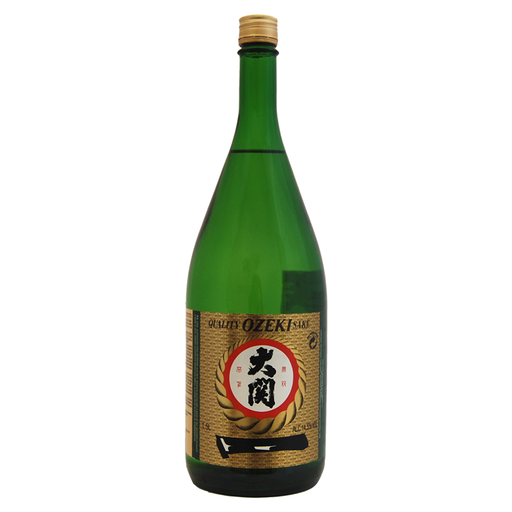
Why this suits the profile: If you want to buy sake for a Japanese dinner, the product information describes a dry junmai sake with rice, water and rice as ingredients.
The junmai classification and short ingredients list offer more reassurance than terms like premium or refined alone.
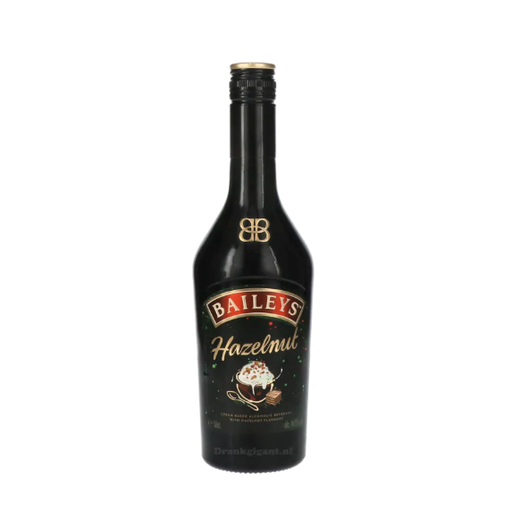
Why this suits the profile: According to the product information, this cream liqueur combines hazelnut with Irish cream, in a 500 ml bottle at 14.5% alcohol.
The listed milk allergy is clearly stated, so you're not relying solely on the flavour name.
Creamy hazelnut flavour; 500 ml; milk listed as an explicit allergen.
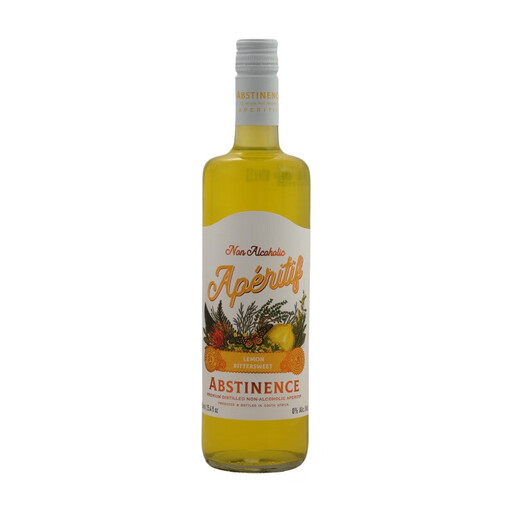
Why this suits the profile: This non-alcoholic aperitif has a lemon flavour according to the product information, is vegan and intended for alcohol-free cocktails.
The alcohol percentage and serving temperature of 5 °C are clearly stated. After opening, the product information indicates a shelf life of one month.
0% alcohol according to the product description; 750 ml; vegan and with lemon botanicals.
For a soft, fruity style, you could look at flavoured soju or Korean soju with apple, peach, grapefruit, mango, melon, lychee or grape. The variants mentioned are mostly around 12% or 13% alcohol and come in bottles of approximately 350 to 360 ml.
Makgeolli is another category: Woorisool Rice Wine Makgeolli Peach contains 3% alcohol, peach extract and wheat according to the product information. That makes it a lighter choice, but not suitable for people avoiding gluten. For a creamy dessert combination, coconut liqueur and advocaat are logical options; check for milk and egg allergens here.
If you want to try Japanese sake, you can choose between a dry junmai sake and sweeter fusion drinks with red grape or Chardonnay. Those Nenohi variants contain 7% alcohol according to the product information and are available in 300 ml bottles.
We've put together a full, up-to-date list of products that fully meet these strict selection criteria and current European safety regulations.
First, compare the alcohol percentage, bottle volume, ingredients and allergens. Then consider what you want to use the drink for: drinking neat, cocktails, desserts or with a meal. If you find conflicting information, check the packaging or current product page.
That varies by type. Store the bottle in a cool place, out of direct sunlight and tightly sealed. Cream liqueurs and non-alcoholic drinks may have different instructions to clear liqueurs. So follow the shelf-life information on the packaging. For Abstinence Lemon Aperitif, the product information states one month after opening.
A non-alcoholic aperitif with lemon and botanicals can be served chilled with sparkling water or in a mocktail. Always check that the product is actually labelled as alcohol-free and read the ingredients list, especially if guests have allergies.
