
Vandaag of morgen in huis

Kwaliteit gegarandeerd

Welkomstaanbiedingen ontgrendelen: GRATIS bezorging | Tot 80% korting | Gratis 30 dagen JoyPlus-proefperiode
Download de app
Shelves, both physical and virtual, are overflowing with bottles of liqueur in every colour and flavour imaginable. From creamy and sweet to crisp and fruity. But how do you choose a bottle that truly suits your taste without falling for the typical marketing traps? As a Joybuy Product Recommendation Officer, I'm here to help you make informed choices based on facts, not just fancy marketing.
Before you add a bottle to your cart, it's wise to consider a few common pitfalls. Many people end up overpaying or with a liqueur that gathers dust on the shelf.
cocktail liqueur should complement a drink, not overpower it. An excessively high sugar content makes any mix heavy and one-dimensional, throwing your cocktail's balance completely off.To avoid a bad purchase, it's helpful to look at a few key specifications. These determine the flavour, texture, and the best use for the liqueur.
Every liqueur is built on a base of alcohol and sugar. The ratio between these two is crucial.
sweet liqueur is delicious, but there's a limit. Excessive sugar content can be sticky and overpowering. Check the label or product description for the ingredients; if sugar or syrup is listed first or second, the drink is likely very sweet.The base of the liqueur defines its character and how it can be used. The most common types are:
limoncello (lemon), crème de cassis (blackcurrant), or peach liqueur. Perfect as a base for crisp, summery cocktails or as a digestif.By knowing which base you prefer, you can buy liqueur online with much more focus.
To get you started, we've highlighted a few popular choices tailored to different preferences.
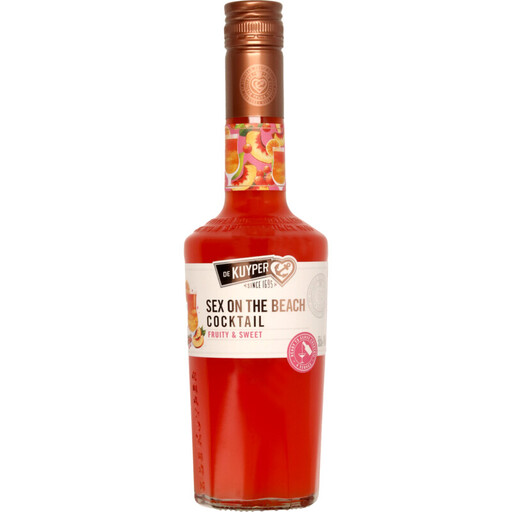
Why This Fits Their Persona: Ideal for those who want to serve a well-known and beloved cocktail at a party or gathering without any fuss. No complex recipes or multiple bottles needed; just pour and serve.
This product avoids the pitfall of a poor cocktail base. The ratios are pre-mixed for a consistent, balanced flavour, so you don't have to experiment with an overly sweet liqueur yourself.
Ready-to-serve for immediate use. A fruity and sweet flavour that appeals to a wide audience.
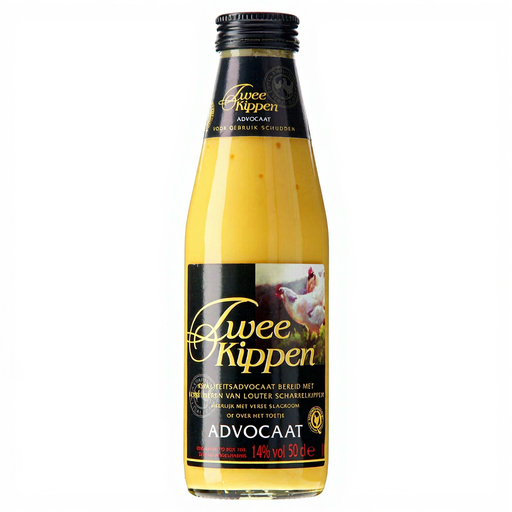
Why This Fits Their Persona: A classic, creamy advocaat that's perfect as a digestif after dinner. Delicious with a scoop of ice cream, over a waffle, or simply neat with a dollop of whipped cream. A piece of Dutch tradition in a bottle.
This isn't a product that relies on a fancy bottle. The focus is entirely on the traditional recipe and the quality of the ingredients, like fresh eggs, which creates its signature thick texture.
Rich, creamy texture. Made according to a classic Dutch recipe.
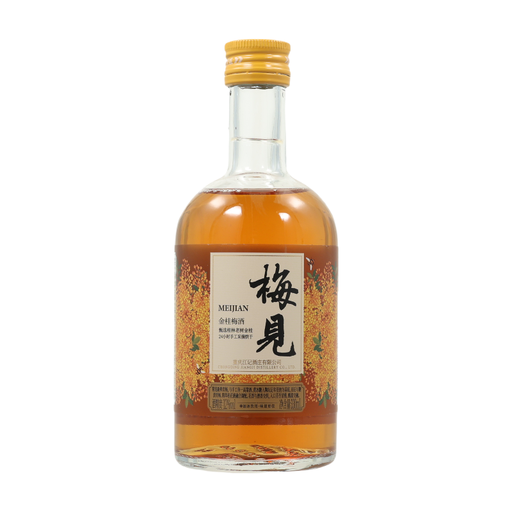
Why This Fits Their Persona: For those who want something different from the standard fruit liqueur. This Chinese plum wine, enriched with osmanthus blossom, offers a unique, floral, and sweet-and-sour taste experience you won't soon forget.
This product escapes the trap of generic "natural" flavours. It uses a specific and authentic combination of green plum and osmanthus, resulting in a complex and layered flavour profile.
Unique flavour profile (sweet, sour, floral). Versatile: delicious neat, on the rocks, or as a base for a creative mix.
We have compiled a complete, up-to-date list of products that meet these selection criteria and comply with local regulations.
The shelf life of an opened bottle of liqueur depends on its base. A cream liqueur or advocaat contains dairy or eggs and must be stored in the refrigerator. After opening, they are typically good for several months. Always check the label for specific instructions. Liqueurs without cream, such as a fruit liqueur or herbal liqueur, have a much longer shelf life. Store them in a cool, dark place, and they can last for years, although the flavour may diminish slightly over time.
For cream liqueur and advocaat, the answer is yes, to prevent spoilage. For other liqueurs, it's not strictly necessary, but often recommended. A limoncello, for example, is traditionally served ice-cold, so storing it in the freezer or refrigerator is a good idea. For most other liqueurs, a cool, dark cupboard will suffice.
Although flavoured soju is often consumed in the same context as a sweet liqueur, their base is different. Soju is a Korean distilled spirit, traditionally made from rice. The popular fruit-flavoured varieties have a lower alcohol content and added sugars, making them similar to liqueurs. A liqueur, by definition, is a spirit that has been flavoured with fruit, cream, herbs, or nuts and has had sugar added to it.
