
Livraison le jour même et le lendemain

Qualité garantie

Débloquez vos offres de bienvenue: Livraison GRATUITE | Jusqu'à -80 % | 30 jours d'essai gratuits à JoyPlus
Téléchargez l'application
Thinking about buying lipgloss online, but torn between a high-shine lipgloss, lip oil, lip balm or plumping lipgloss? The difference isn’t just about colour. Texture, ingredients, longevity and when you’ll use it all play a part in whether a product works well in your daily routine.
Marketing terms like “fuller lips”, “intense hydration” and “non-sticky” sound appealing, but they deserve a closer look. Below, you’ll find out which features to check before you buy, and which lip products suit different types of shoppers.
A strong shine instantly gives you glossy-looking lips, but on its own it says nothing about nourishing properties. So look at the product type and the ingredients list. A lip oil, for example, may contain jojoba oil, meadowfoam oil or vitamin E, whereas a classic gloss is mainly about shine and colour.
For dry lips, a separate lip balm or lip essence is often more practical than just a high-shine formula. A balm can leave a protective layer, while a gloss is typically used as make-up.
A lipgloss for fuller-looking lips can make lips appear plumper through reflective shine, colour and a smooth surface. That’s different from a permanent change to lip shape. Brands may also claim a plumping effect; treat this as a product claim from the brand, not a guaranteed result.
Also check whether a formula contains fragrance or other ingredients you may be sensitive to. Stop using it if irritation occurs and follow the safety information on the packaging.
A non-sticky lipgloss can feel comfortable, but the experience varies from person to person and depends on how much you apply. A thin layer usually feels lighter than several layers for extra colour or shine. Also look at the applicator: a wide applicator can deposit a lot of product quickly, while a smaller one gives you more control.
First, decide what result you’re after:
Read the ingredients list before you order a product. Common ingredients in lip products include jojoba oil, shea butter, castor oil, vitamin E, waxes and synthetic oils. Fragrance may smell nice, but it isn’t suitable for everyone.
For lip care for dry lips, look for a balm texture and ingredients that help retain moisture, such as petrolatum, waxes and butters. Claims like “restorative” or “soothing” come from the brand’s product description; they are not a medical assessment.
Compare the volume in grams or millilitres, not just the price of the packaging. Also check the shelf life on the product. Some products state a period after opening, for example 12M. Don’t use a lip product any more if the smell, colour or texture clearly changes.
A gloss with an applicator is best not shared with others. Close the packaging properly and store the product in a cool, dry place away from direct sunlight. This helps protect the formula from heat and contamination.
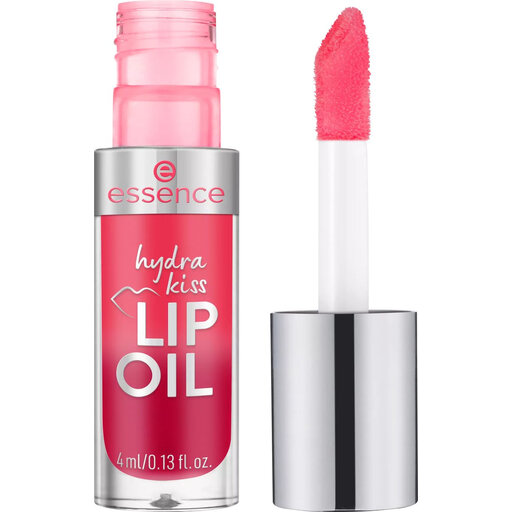
Why this fits the profile: The lightweight lip oil gives a subtle colour and shine, making it easy to try out lip products without committing to an opaque shade.
The product information states 4 ml volume, a non-sticky finish and a light colour. So you know upfront it isn’t a heavily pigmented gloss.
According to the product description, the formula contains hyaluronic acid, jojoba oil, vitamin E and meadowfoam oil. The Pink Champagne shade gives a subtle tint.
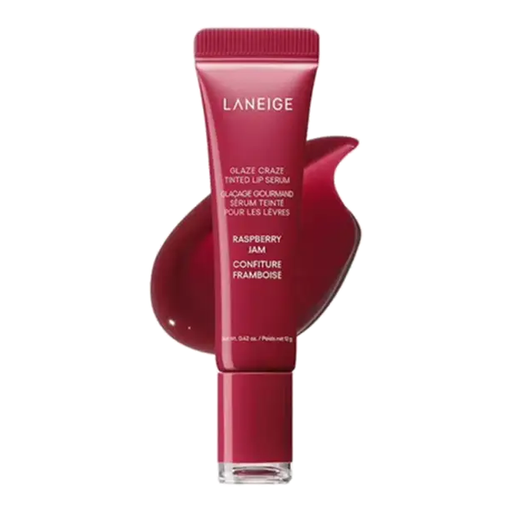
Why this fits the profile: This Laneige gloss suits anyone looking for a pronounced shine that can be worn on its own or over lipstick.
The description mentions a lightweight texture and a non-sticky finish. Always check the current ingredients and usage instructions on the packaging.
The Berry Jam shade contains 12 g. According to the product description, the gloss is designed for shine and a comfortable, hydrated feel.
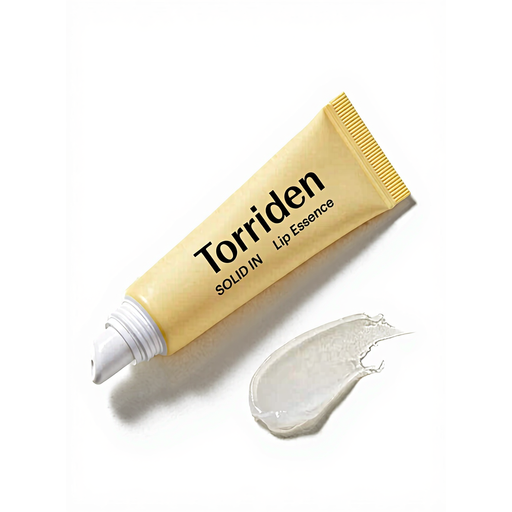
Why this fits the profile: This product is aimed at users who want a more intensive lip care routine, for example during the day or as a thicker layer overnight.
The balm-to-cream texture is clearly described. So you’re not buying this primarily for colour or a wet-look finish, but for lip care.
According to the product description, the formula contains five ceramides and oils such as jojoba, macadamia and olive oil. The product is described as fragrance-free and vegan.
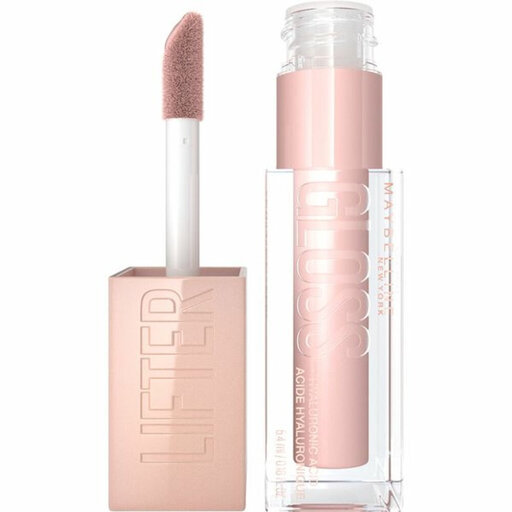
Why this fits the profile: The XL applicator and sheer shade 002 Ice suit anyone who wants to apply a glossy layer quickly, on its own or over lipstick.
The product details state 5.4 ml, a non-sticky formula and a sheer colour. So the claimed fuller-looking effect should be seen as a visual make-up effect.
According to the product description, the formula is enriched with hyaluronic acid and available in several shades. The XL applicator is a practical detail for quick application.
We’ve put together a full, up-to-date list of products that fully meet these strict selection criteria and comply with current European safety regulations.
Use the following order when comparing online:
For a natural everyday look, a tinted lip balm or lip oil often works well. For extra reflection, you can use a sheer gloss over lipstick. If you mainly suffer from dry lips, you can use a nourishing balm as a base and later apply a gloss product over it.
That varies per product. Check the expiry date and the symbol for the period after opening, such as 12M. Store lipgloss sealed, cool and dry. A change in smell, colour or texture is a reason not to use the product any more.
A formula with hyaluronic acid may, according to the product description, have a caring or hydrating purpose, but the overall formula determines how the product feels. For very dry lips, a balm or lip essence may be more suitable than just a thin gloss. Always check the ingredients and stop if irritation occurs.
Lip oil typically has an oily, lightweight texture and often gives a subtle tint with shine. Lipgloss is usually more focused on a reflective finish and can be sheer or pigmented. The boundaries between the two product types aren’t always clear-cut, so look mainly at the description, ingredients and desired finish.
