
Livraison le jour même et le lendemain

Qualité garantie

Débloquez vos offres de bienvenue: Livraison GRATUITE | Jusqu'à -80 % | 30 jours d'essai gratuits à JoyPlus
Téléchargez l'application
Buying a lip tint might seem straightforward: pick a nice colour, add it to your basket and you’re done. However, a lip tint, lip stain and liquid lipstick differ significantly in finish, feel and application. A matte formula can feel dry after a few hours, while a glossy lip tint is more likely to transfer onto a glass.
If you’re looking for a lip colour for daily wear, it’s worth looking beyond colour and marketing claims. Pay close attention to the formula, the finish you want and the information on the label.
A product may promise long-lasting colour in its description, but that doesn’t automatically mean the lip colour is completely resistant to eating, drinking or rubbing. A lip stain partially sinks in or leaves pigment behind, whereas a glossy layer can shift more easily.
So check whether the product information separately mentions:
For example, the product page for the rom&nd Long-Lasting Vivid Lip Tint 08 Pink Pumpkin states a transfer-proof finish after drying. That remains a product specification from the seller, not a guarantee for every user or situation.
A matte lip tint, velvet tint or lip mud often contains film-forming ingredients and fewer glossy oils. This can give a soft, powdery look, but a formula that sets firmly may feel less pleasant on dry lips.
Look out for words like lightweight, non-drying or hydrating, but also read the ingredients list and usage instructions. According to the product description, the Peripera Ink Airy Matte Lip Tint is designed with an airy texture and a matte finish. However, the experience depends on your lip condition, the amount applied and your preparation.
Lip colours are influenced by your natural lip colour, skin undertone and lighting. A terracotta shade can look browner on pigmented lips than on a lighter base. What’s more, shade numbers aren’t consistent across brands: colour 21 from one brand isn’t comparable to colour 21 from another.
So don’t just search for “red lip tint” or “pink lip stain”; look at the colour description, finish and product images together.
A matte finish is practical when you want a subdued look. For dry lips, a satin or hydrating lip tint may be more comfortable, provided the ingredients and usage instructions match.
Cosmetics sold in the EU should include information about ingredients, volume, shelf life or period after opening, and the responsible party. Look on the packaging for the PAO symbol, such as 12M or 24M, and follow the storage instructions.
A claim like “hydrating lip tint” shouldn’t be confused with a medical effect. Product descriptions from OGB, for example, refer to peptides, sodium hyaluronate, jojoba oil or sweet almond oil. According to the brand’s own product information, these ingredients are intended for a comfortable, cared-for feel. They do not constitute a medical treatment for dry or damaged lips.
For daily use, an even applicator is important. A thin applicator helps with the cupid’s bow, while a stick or dual-ended product works faster on the go.
Also check whether the colour is buildable. One thin layer gives a soft lip stain; multiple layers deliver a more intense lip colour. Let a liquid tint dry before applying a second layer. This prevents the first layer from lifting or becoming uneven.
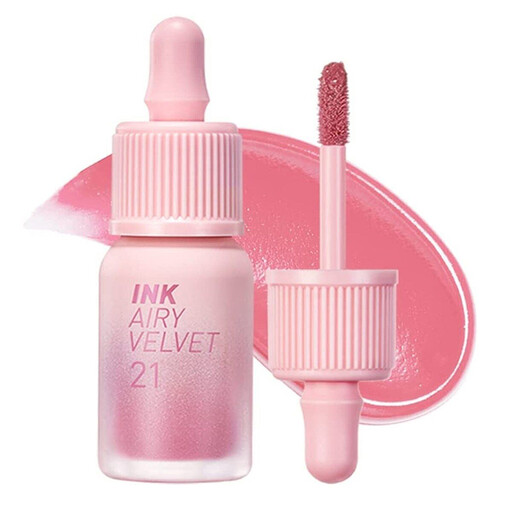
Why this fits the profile: The matte finish and airy texture are ideal if you’re trying a Korean lip tint for the first time and want a subdued, non-shiny look.
The product information mentions the matte finish and airy texture separately. This means you know better in advance what to expect from the result.
Matte finish; shade 21; liquid lip tint for a buildable colour.
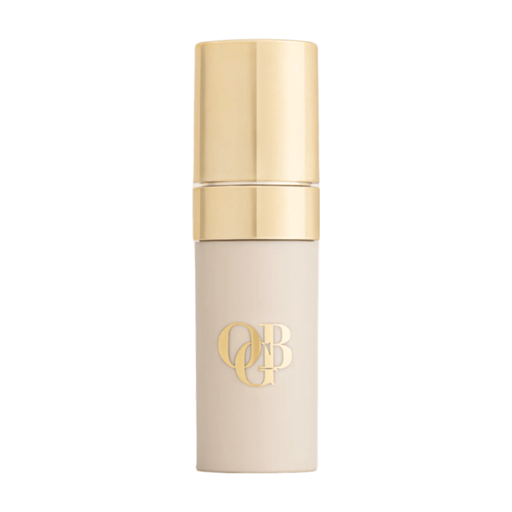
Why this fits the profile: The satin finish suits anyone who wants a polished red lip colour without the powdery look of a matte formula.
The product page mentions a satin finish and a tint that, according to the seller, lasts for hours. That gives more context than just the claim “long-lasting”.
Red colour; satin finish; product description mentions peptides and sweet almond oil.
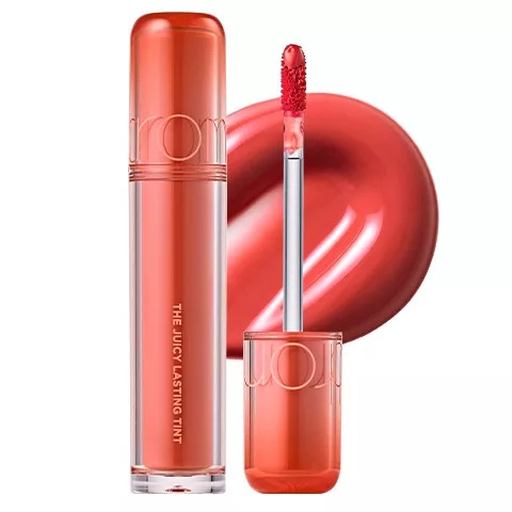
Why this fits the profile: Handy for workdays, travel or long days when you want a buildable colour and a consistent application routine.
The instructions state that you should let the tint dry and then build up the colour. This helps you avoid applying too much product at once and getting an uneven result.
Shade 08 Pink Pumpkin; lightweight formula according to the product page; transfer-proof after drying according to the seller.
We’ve put together a full, up-to-date list of products that fully meet these strict selection criteria and comply with current European safety regulations.
Stop using the product if irritation occurs and check the safety information on the packaging. If a lip product contains fragrance or multiple colourants, it’s wise to review the ingredients list beforehand if you’re sensitive to them.
That varies depending on the formula, the amount used, your eating and drinking habits, and your lip condition. A lip stain can leave pigment behind after the glossy layer has faded. A matte tint generally sets more firmly than a glossy version, but can also emphasise dry patches more. Claims like “8 hours” or “all day” come from the brand or product seller and aren’t the same for every user.
It can be, but look at the finish and ingredients. A hydrating lip tint with nourishing ingredients can feel more comfortable than a strongly setting matte formula. Apply a thin layer of lip balm beforehand and remove any excess product before using the tint. If irritation persists, stop using the product.
A lip tint is a broad product category for lip colour that is often applied lightly and is buildable. A lip stain is usually focused on pigment that stays on the lips for longer. Brands don’t always use these terms consistently. So check the finish, drying time, applicator and specific product claims rather than just the name.
