
Vandaag of morgen in huis

Kwaliteit gegarandeerd

Welkomstaanbiedingen ontgrendelen: GRATIS bezorging | Tot 80% korting | Gratis 30 dagen JoyPlus-proefperiode
Download de app
Ordering licorice online seems simple—until the package arrives. The "extra salty" licorice tastes sweet, the "soft" variety is rock-hard, or you discover sugar in a product you thought was sugar-free. Many licorice lovers fall into the same traps. Marketing terms are often vague, and product photos don't tell the whole story about flavor and texture.
Before you fill your digital shopping cart, it's helpful to know what to look for. These are the most common pitfalls when buying licorice online:
To avoid a disappointing purchase, you can focus on a few concrete specifications. These details provide a much clearer picture than the marketing on the front of the package.
The flavor of licorice is determined by the balance between licorice root extract and salt. Look for the following indicators:
The texture depends on the binding agents used and the preparation method. Check the ingredient list for:
For the discerning buyer, the ingredient list is the most crucial source of information.
Based on clear product characteristics, we have selected a few options that cater to different preferences.
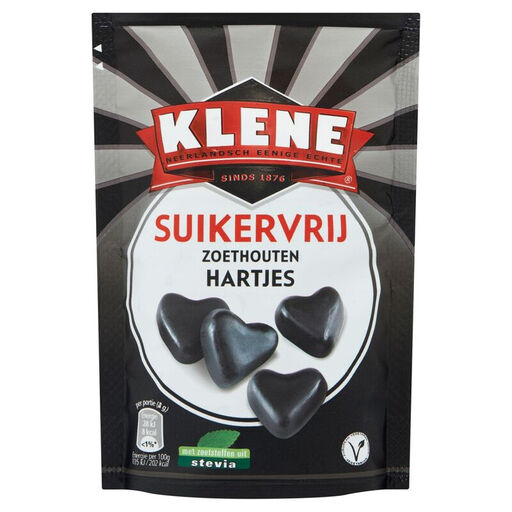
Why This Fits Their Persona: Ideal for those who want to enjoy licorice without the sugar. These hearts from Klene are sweetened with sweeteners and fit a health-conscious lifestyle.
The packaging clearly states "sugar-free" and specifies the sweeteners used (maltitol syrup, steviol glycosides). The warning about the laxative effect is also present, ensuring transparency about the ingredients.
Made with an authentic recipe using gum arabic for a great texture. The resealable packaging is convenient for on-the-go.

Why This Fits Their Persona: For those seeking a bold, traditional salmiak licorice. This isn't for beginners, but for the seasoned enthusiast of an intense salty flavor.
The name "Double Salt" and the ingredient list, which mentions 9.9% ammonium chloride, leave no doubt about the intense flavor. This prevents the disappointment of a "salty" licorice that's too mild.
A classic, powerful salmiak flavor characteristic of traditional Dutch licorice. The combination of licorice root extract and salmiak is well-balanced.
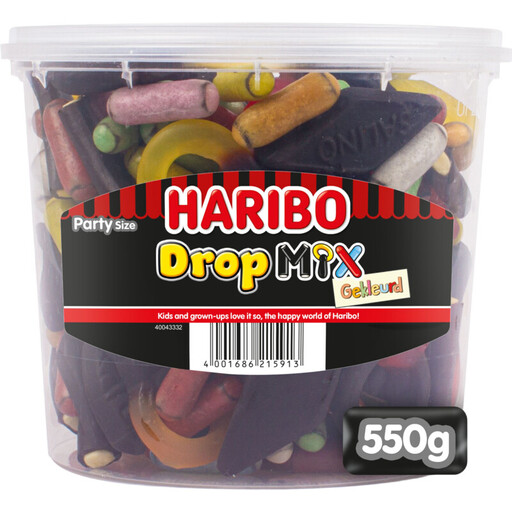
Why This Fits Their Persona: Perfect for parties, the office, or simply stocking the pantry. This large bucket offers a mix of popular Haribo licorice, ensuring there's something for everyone.
By buying a mix, you avoid the pitfall of choosing one specific flavor or texture that might not appeal to everyone. The variety is the solution.
Large quantity (550 grams) for a great price. Contains a mix of soft, sweet licorice and other well-known varieties from Haribo.
We have compiled a complete, up-to-date list of products that meet these selection criteria.
While both taste salty, the source of the flavor is different. Salty licorice typically uses regular table salt (sodium chloride) for a mild, savory taste. Salmiak licorice, on the other hand, contains salmiak salt (ammonium chloride), which provides a much sharper and more intense salty flavor characteristic of many traditional Dutch licorices. If you're looking for that typical "punchy" salty taste, choose salmiak licorice.
Always check the ingredient list on the product page. Look for sweeteners like maltitol, xylitol, or steviol glycosides. A product can only be called "sugar-free" if it contains no added sugars. Also, note the warning "excessive consumption may have a laxative effect." This is a normal characteristic of polyols (a type of sweetener) and is good to know.
Look at the product name and description for words like "soft", "chewy", "hard", or "firm". The ingredients can also provide a hint. Products with gelatin or a high syrup content are often softer and chewier. Licorice varieties where gum arabic is a main ingredient are usually harder and meant to be savored or sucked on. Brands like Klene and Venco often specify the texture in the product title.
