
Vandaag of morgen in huis

Kwaliteit gegarandeerd

Welkomstaanbiedingen ontgrendelen: GRATIS bezorging | Tot 80% korting | Gratis 30 dagen JoyPlus-proefperiode
Download de app
The online selection of beverages is vast, and it's easy to make the wrong choice, especially when ordering in bulk. You might order a pallet of lemonade only to discover upon delivery that the flavour is disappointing, the ingredients are not to your liking, or the packaging is impractical for your situation. This leads to unnecessary costs and waste. Basing your purchase on factual product information helps prevent buyer's remorse. This guide provides objective criteria to help you select the right lemonade for your specific needs.
An informed choice starts with understanding the product specifications. Pay attention to the following points when comparing different types of lemonade.
The ingredients list provides the most objective information about a product.
Not every lemonade is suitable for every occasion.
The packaging determines shelf life, convenience, and the target audience.
Based on the criteria above, we have selected three different products that cover a wide range of needs.
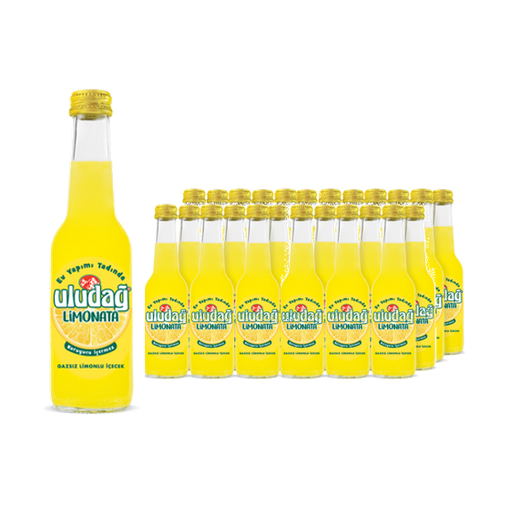
Why this product: This Turkish lemonade follows a traditional recipe and is produced without preservatives. According to the manufacturer Uludag, a pasteurisation method is used to ensure shelf life. The product is sweetened with 100% beet sugar, without the use of glucose-fructose syrup.
Benefits:
Who it's for: Hospitality venues that want to serve an authentic, non-standard lemonade. Also suitable for consumers who prefer beverages without preservatives, sweetened with traditional sugar, and delivered in a bulk pack.
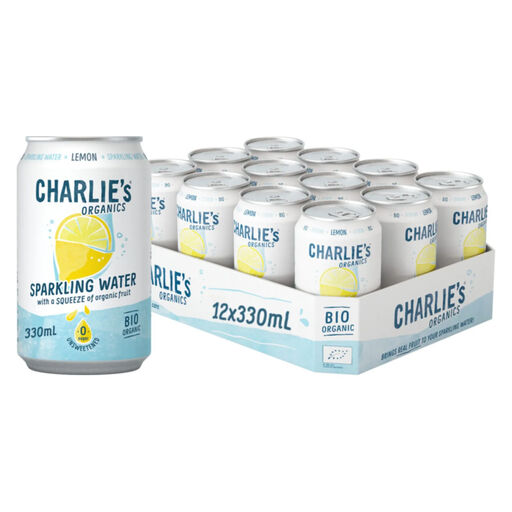
Why this product: This is a minimalist, zero-calorie alternative. The product consists of just three ingredients: carbonated water, organic lemon juice, and natural lemon flavour. It is a pure form of sparkling water with lemon.
Benefits:
Who it's for: Health-conscious consumers looking for a refreshing, sugar-free lemonade without sweeteners. It also serves as an excellent base for homemade cocktails or mocktails.
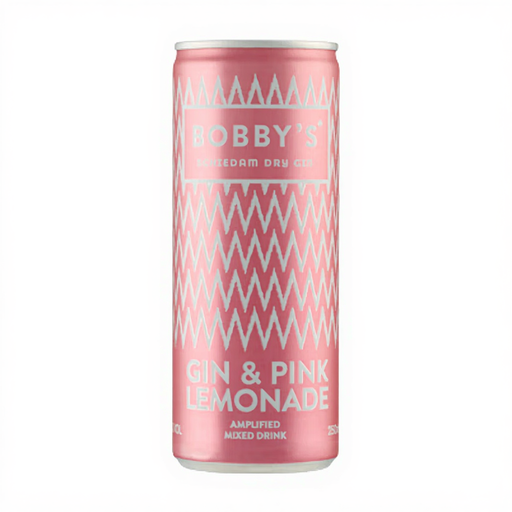
Why this product: This is a ready-to-drink alcoholic beverage that combines convenience with a complex flavour profile. It's a mix of Bobby's Dry Gin and a specially developed pink lemonade syrup. This product falls into the category of premium ready-to-drink (RTD) cocktails.
Benefits:
Who it's for: Adults looking for a high-quality, convenient cocktail for a party, social gathering, or picnic. It appeals to lovers of gin and innovative flavour combinations.
These three recommendations represent different categories within the lemonade segment. The choice between a traditional, a sugar-free, or an alcoholic option depends entirely on your personal preference and the occasion.
If your ideal drink isn't among them, a broader range is available. Explore more options, from various syrups to other ready-to-drink beverages.
View our full range of lemonade drinks for more choices.
1. What is the difference between lemonade and lemonade syrup? Lemonade is a ready-to-drink beverage that can be consumed directly. Lemonade syrup is a concentrate that must be diluted with water (still or sparkling) before consumption. Syrup offers more flexibility in strength and is often more cost-effective per glass.
2. How do I know if a lemonade is truly sugar-free? According to EU legislation, a product can be called 'sugar-free' if it contains no more than 0.5 grams of sugar per 100 ml or 100 grams. Always check the nutritional information on the packaging. The 'of which sugars' line under 'Carbohydrates' should reflect this value. Note: 'no added sugar' does not always mean 'sugar-free', as the product may contain naturally occurring sugars (from fruit).
3. Are there lemonades without preservatives? Yes, several manufacturers offer lemonades without preservatives. They use alternative techniques such as pasteurisation (brief heating) to make the products shelf-stable. The Uludag Lemonade in our recommendations is an example of this. The absence of preservatives like E202 and E211 is usually explicitly mentioned in the product information.
Recommendations by: Joybuy Product Recommendation Officer
