
Vandaag of morgen in huis

Kwaliteit gegarandeerd

Welkomstaanbiedingen ontgrendelen: GRATIS bezorging | Tot 80% korting | Gratis 30 dagen JoyPlus-proefperiode
Download de app
A bottle of lemon iced tea might seem like a simple purchase, but the differences between products are significant. One drink contains black tea and a relatively high amount of sugar, while another is based mainly on flavourings, sweeteners or a small amount of tea extract. The packaging also makes a difference: a pack of six 250 ml portions is handy for on the go, whereas a 1.5 litre bottle is better suited to a meal at home.
When comparing lemon tea, iced tea with lemon and lemon tea, therefore, don't just look at the brand or the front of the packaging. Pay close attention to the ingredients, nutritional values, volume and storage instructions.
A product can have a distinct lemon flavour thanks to a combination of lemon juice concentrate, citric acid and flavouring. That is different from a high percentage of fruit juice. So check the ingredients list and look out for mentions such as lemon juice from concentrate, lemon extract or lemon flavouring.
For example, some black tea variants in portion packs list only 0.1 or 0.2 grams of lemon juice concentrate per litre. The taste can still be fresh and tangy, but the composition is different from a drink with a higher juice percentage.
A fresh or less sweet taste is not a reliable indicator of the nutritional value. Compare the table per 100 ml and, if necessary, calculate this for the whole bottle. A 1.5 litre bottle contains six times as much liquid as a 250 ml portion.
Also pay attention to different sweeteners. Sugar-free lemon tea can contain, for example, steviol glycosides or sucralose. A product with less sugar is therefore not automatically completely sugar-free. Always check the actual packaging.
An iced tea multipack is practical for an office, family or store cupboard, but 24 bottles of 500 ml take up more space than six carton packs of 250 ml. Look in advance at:
Black tea with lemon generally has a fuller and recognisable tea profile. This type works well with meals or when you're looking for a pronounced tea aroma. Green iced tea with lemon is often lighter in character. The product description should make it clear whether tea extract, instant tea, tea leaves or a herbal infusion has been used.
A product such as g'woon Ice Tea Green Lemon contains, according to the product information, green tea extract and lemon juice from concentrate. Ginger Lemon Tea Natural, on the other hand, is a dry herbal infusion with ginger and lemon and is not the same as a ready-to-drink iced tea.
For on the go, lunchboxes or a short break, iced tea 250 ml is manageable. The packs from Master Kong, Vitasoy and other Asian drinks are often sold in sixes, with a total volume of 1.5 litres.
For a household or office, 1.5 litre bottles or trays of 24 cans are more practical. The Lipton Ice Tea Lemon pack, for example, contains 24 cans of 330 ml. Oishi Black Tea Lemon Ice Tea is offered in a tray of 24 bottles of 500 ml.
Compare at least:
According to the stated product information, Master Kong Lemon Tea contains 38 kcal and 9.5 grams of sugar per 100 ml. The Naïsnow Yashi Xiang Lemon Tea lists 21 kcal, 5 grams of sugar and additionally erythritol and steviol glycosides per 100 ml. These values depend on the product; always check the label on the packaging before purchasing.
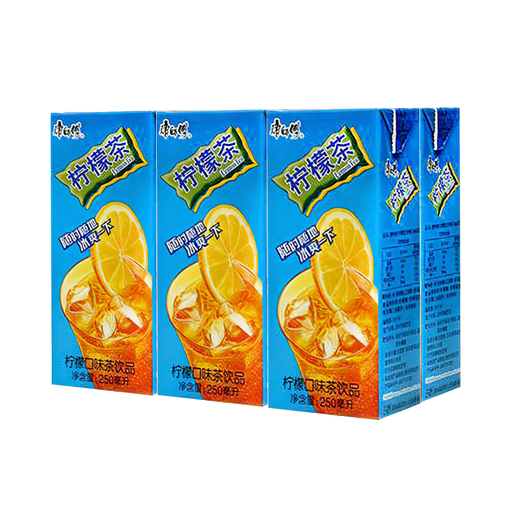
Why this fits the profile: Six 250 ml portions are manageable for home, on the go or in a lunchbox. The product information lists black tea, lemon juice concentrate and a total volume of 1.5 litres.
The volume and nutritional values are clearly specified per 100 ml. This means you can compare sugar and energy intake without relying solely on the front of the packaging.
250 ml per pack, ready-to-drink and, according to the product information, 38 kcal per 100 ml.
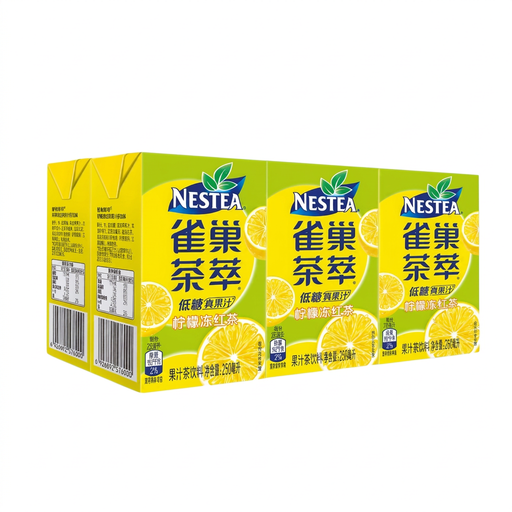
Why this fits the profile: This variant combines black tea with apple and lemon juice from concentrate. The product description states a minimum of 5% fruit juice and a 250 ml bottle format.
The juice percentage is explicitly stated in the product information. This makes it easier to distinguish this drink from iced teas where the lemon flavour comes mainly from flavouring and acidity regulators.
Minimum 5% fruit juice according to the product description, black tea and a handy six-pack.
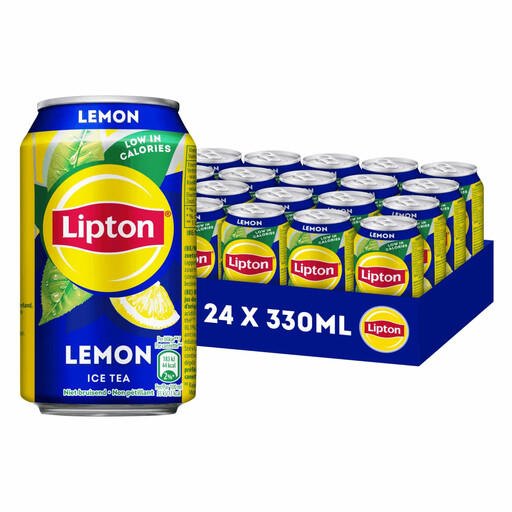
Why this fits the profile: A tray of 24 cans of 330 ml is ideal for offices, catering, parties or households that regularly serve ready-to-drink iced tea.
The portions are pre-divided, so an opened large bottle doesn't need to be stored in the fridge for several days.
24 cans of 330 ml, black tea extract, lemon juice from concentrate and, according to the product information, 13 kcal per 100 ml.
We've put together a full, up-to-date list of products that fully meet these strict selection criteria and comply with current European safety regulations.
A 250 ml pack is practical for a lunchbox, train journey or short break. A six-pack also takes up less space than a large multipack. Do check whether the pack has a resealable lid, straw or other drinking convenience.
This varies by product. Some variants advise consumption within 24 hours, others within 48 hours or three days. Store an opened bottle or pack in the fridge and always follow the instructions on the label. Store an unopened drink according to the stated temperature and shelf-life information.
There are variants with little sugar or sweeteners, but check the nutritional information table and ingredients list before you order. "Light", "zero" or "sugar-free" should always be assessed against the current product information. Also pay attention to the difference between ready-to-drink iced tea, a dry herbal infusion and a concentrated lemon tea that you mix with water yourself.
