
Vandaag of morgen in huis

Kwaliteit gegarandeerd

Welkomstaanbiedingen ontgrendelen: GRATIS bezorging | Tot 80% korting | Gratis 30 dagen JoyPlus-proefperiode
Download de app
Korean cuisine and culture are rapidly gaining popularity. Perhaps you've seen someone in a K-drama sipping a steaming cup of yellow tea, or you've encountered a unique flavour at a restaurant. Chances are, you were introduced to Korean tea. Unlike the teas we're used to, these are often rich fruit tea concentrates or syrups, bursting with flavour.
Feeling curious and want to buy Korean tea? The options can be overwhelming. This article will guide you. We'll highlight a few popular varieties, like ginger tea and yuzu tea, and provide practical tips to help you make a choice that's right for you.
Before you add a jar to your cart, it's helpful to know a few things. Korean tea, or cha (?), is a broad category. Here are three points to consider.
Many popular Korean "teas" are actually a tea syrup or concentrate, known in Korea as cheong (?). This is a mixture of fruit (like yuzu or ginger) and sugar or honey, which you dilute with hot or cold water. It's instant, sweet, and full-flavoured. This differs from the dried tea leaves we are typically used to. The products we recommend here fall into the tea syrup category.
The quality and flavour are determined by the ingredients. Check the label for the percentage of the main ingredient. A yuzu tea with a high percentage of yuzu will have a more intense, complex citrus flavour. Also, pay attention to the sweeteners. Some syrups use fructose, while others use sugar or honey. The choice depends on your personal preference.
A jar of Korean citrus tea is surprisingly versatile. While it's delicious as a hot beverage, you can also use it for:
Based on product specifications and popular flavours, we've made a selection to introduce you to the world of Korean tea.
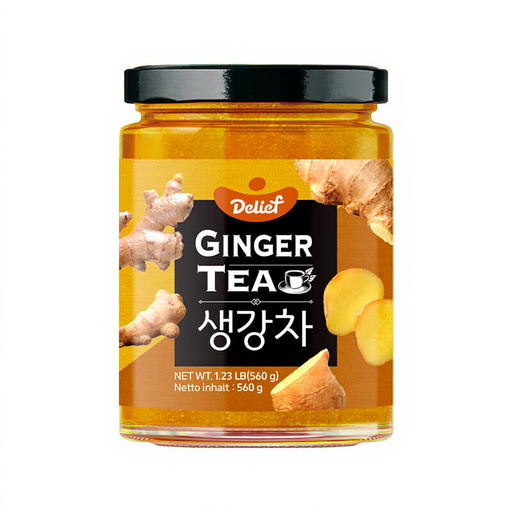
Why It Stands Out This ginger tea from Delief is a concentrate that delivers the authentic, spicy taste of real ginger. The formula is a blend of sugar, sweetened ginger, fructose, and ginger concentrate, creating a full, warming flavour with a sweet balance.
Benefits
Who It's For Anyone who loves the spicy kick of ginger and is looking for a quick, soothing drink. Perfect for the chilly autumn and winter months.
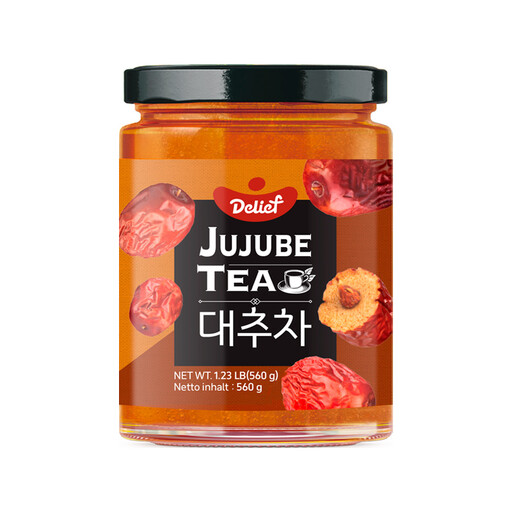
Why It Stands OutJujube tea (Daechu-cha, ???) is a traditional Korean beverage with a unique, naturally sweet and nutty flavour. This version from Delief is made with roasted jujube slices and real jujube fruit, ensuring an authentic experience. The drink has a warm, caramel-like colour and an inviting aroma.
Benefits
Who It's For For the adventurous drinker looking to discover new flavours. If you enjoy sweet, fruity beverages without the sharpness of citrus or ginger, this is an interesting choice.
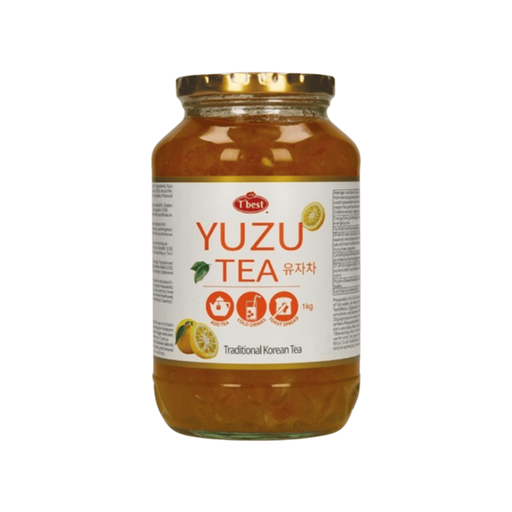
Why It Stands Out This yuzu tea, also known as yuja-cha, is a true Korean classic. The yuzu is a citrus fruit with a flavour profile somewhere between a lemon and a mandarin orange. This product from Tbest contains a high fruit content: 60% yuzu. The large 1 kg jar makes it a great value for those who plan to enjoy it regularly.
Benefits
Who It's For For foodies who love to experiment in the kitchen and for anyone wanting to experience the unique, aromatic flavour of yuzu. Suitable for both hot and cold preparations.
If your favourite flavour isn't listed, or if you're curious about other options to get you through the cold days, don't worry. Everyone's taste is different, and the selection is wide.
Explore our full range of hot beverages for more inspiration.
What exactly is Korean tea? The term 'cha' (?) in Korean refers to a broad range of infusions, not just those from the tea plant (Camellia sinensis). It also includes beverages made from fruits, roots, grains, and seeds. Popular varieties like yuzu and ginger tea are often syrups or concentrates that you mix with water.
Does Korean fruit tea contain caffeine? Most Korean fruit teas, such as yuzu tea, ginger tea, and jujube tea, are naturally caffeine-free. They are made from fruit and other ingredients, not from the leaves of the tea plant. This makes them a suitable choice for any time of day. Always check the label if you want to be certain.
How do you make tea from a Korean tea concentrate? It's very simple. Spoon 2 to 3 teaspoons of the tea syrup into a mug, add approximately 150-200 ml of hot water, and stir well until the syrup has dissolved. You can adjust the amount of syrup to suit your personal taste. For a cold drink, replace the hot water with cold still or sparkling water and ice cubes.
