
Vandaag of morgen in huis

Kwaliteit gegarandeerd

Welkomstaanbiedingen ontgrendelen: GRATIS bezorging | Tot 80% korting | Gratis 30 dagen JoyPlus-proefperiode
Download de app
Anyone looking to buy Korean soju will quickly come across dozens of bottles in flavours such as apple, grape, peach, mango, melon, lychee, strawberry and raspberry. However, an appealing flavour name does not tell you everything about the drink. The alcohol content, ingredients and the way you plan to serve the bottle all determine whether your purchase is right for a Korean barbecue, a gift or an evening at home.
This buying guide helps you distinguish marketing terms from verifiable product information. You will also find practical alternatives if you would rather buy makgeolli or are looking for Japanese plum wine, such as Choya plum wine.
Fruit soju can taste smooth and easy to drink, but it still contains alcohol. The range includes several fruity varieties with 12% alcohol, while Jinro Chamisul Strawberry lists 13%. Always check the alcohol content on the product page and label. A sweet flavour does not make a drink low in alcohol.
Ingredients vary from one product to another. Oppa Apple Soju contains, among other things, apple flavouring, fructose and sugar. Oppa Mango lists mango flavouring, glucose syrup and sweeteners. Other drinks contain fruit juice or fruit concentrate. So do not rely solely on the image or flavour name. Check the full ingredients list and allergen information as well.
Many fruit soju bottles have a capacity of 360 ml. That is practical for one person or a small group, but less suitable when you want to serve a larger table. Makgeolli is often sold in 750 ml bottles, while Choya Original Plum Wine comes in a 750 ml bottle. Also consider how the drink should be served: makgeolli may contain sediment and is usually chilled and gently shaken before pouring.
Start by comparing two fixed values:
A 200 ml bottle of Choya Ume Salute with 5.5% alcohol is suitable as an individual serving or gift. Choya Original Plum Wine contains 10% alcohol and comes in a 750 ml bottle. A larger bottle is more convenient for a group, but once opened, the drink should be sealed properly and stored according to the instructions on the packaging.
Check whether the drink contains grains, wheat, barley, apple or pear. WOORISOOL’s Makgeolli 6% lists wheat and barley, for example, so it is not suitable for everyone who needs to avoid gluten. Woorisool’s peach variety also lists wheat as an allergen.
Fruit soju may contain flavourings, sugar, fruit juice, fruit wine and distilled alcohol. The exact composition varies by brand. Always use the current packaging as your reference, particularly if you have a food allergy or intolerance.
Fruit soju is generally ready to drink and is often served chilled. Apple soju’s fresh fruit profile makes it a good match for spicy dishes and Korean barbecue. Grape soju, peach soju and lychee soju are natural choices if you are looking for a sweeter, fruitier drink. According to the product description, mango soju and melon soju can also be used as the base for a simple cocktail.
Makgeolli, also known as Korean rice wine, has a different character. It is often creamier, lightly sparkling and less strong than many fruit soju varieties. A white grape variety contains 5% alcohol, while Woorisool’s peach variety contains 3%. This makes them interesting options for a meal or relaxed drinking occasion, without suggesting that they are alcohol-free or risk-free.
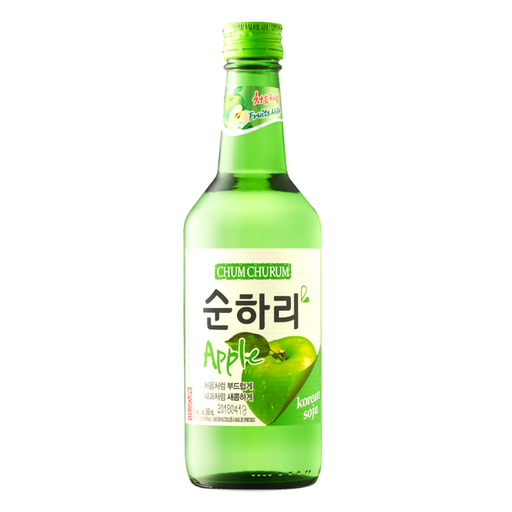
Why it suits this profile: The 360 ml size is a manageable way to try apple soju for the first time, without committing to a large bottle.
The alcohol content and volume are clearly stated, so the flavour name is not mistaken for a low alcohol content.
360 ml, 12% alcohol and ready to drink chilled according to the product information.
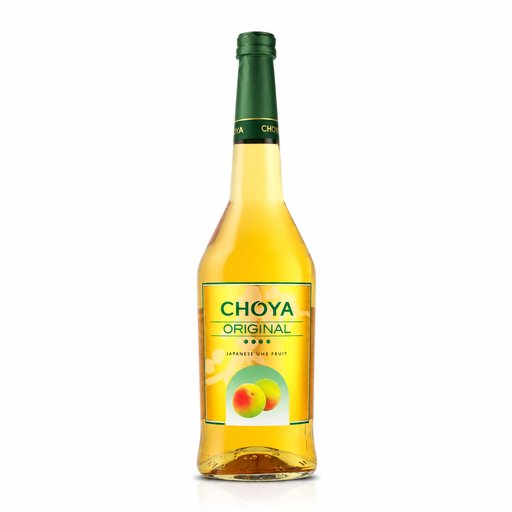
Why it suits this profile: If you are looking for a Japanese umeshu to share with several guests, this 750 ml bottle offers a classic sweet, fruity flavour profile.
The product information states 10% alcohol, 750 ml and ingredients including ume plums, sugar and distilled alcohol.
750 ml, 10% alcohol and suitable for serving chilled, over ice or as a cocktail base according to the product description.
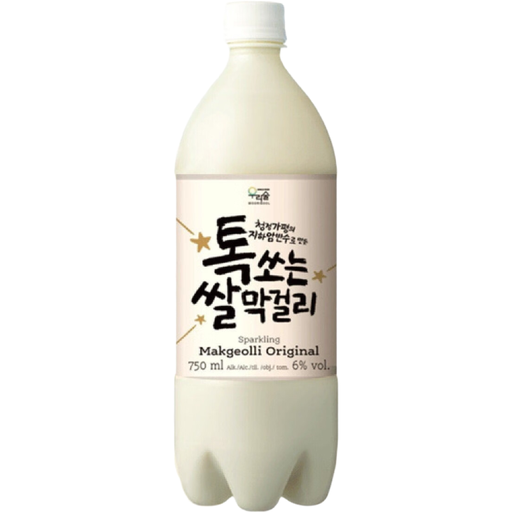
Why it suits this profile: This traditional Korean rice wine is a good match for diners looking for a creamy, lightly sparkling drink to accompany a meal.
The ingredients and allergens are specified, including rice, barley, wheat and a fermentation starter. This helps you make a more informed choice.
6% alcohol, Korean origin and a lightly sweet, fresh profile with a creamy texture according to the product information.
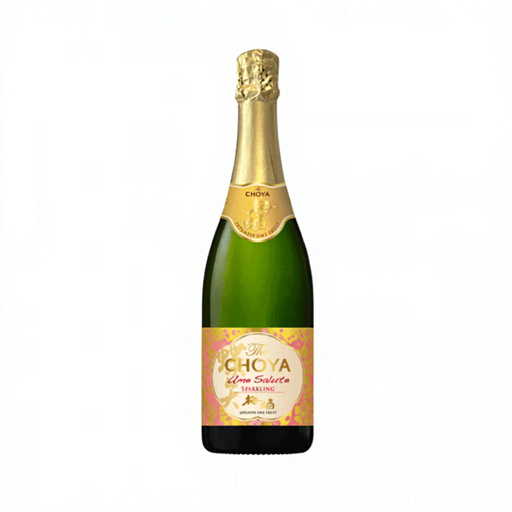
Why it suits this profile: The compact bottle is ideal for a small tasting, a gift or anyone who wants to try umeshu before choosing a larger bottle.
The smaller size limits your purchase if you are not yet sure whether the sweet-and-sour plum flavour is right for you.
200 ml, 5.5% alcohol and suitable for serving chilled, over ice or in a cocktail according to the product description.
We have put together a complete, up-to-date list of products that fully meet these strict selection criteria and the applicable European safety regulations.
Fruit soju is best served chilled if you want its sweet flavour to taste a little fresher. A 360 ml bottle is practical for a small group. Once opened, check the instructions on the packaging and seal the bottle securely.
Makgeolli requires a little extra care. Store the bottle as indicated, chill it if stated on the label, and gently shake or turn it before pouring. Because it may naturally fizz, vigorous shaking is not recommended.
Alcoholic drinks are intended for adults only. Drink responsibly, and do not drink alcohol during pregnancy or if you still need to drive afterwards. If in doubt, always check the current product packaging.
You can compare Korean soju online by flavour, alcohol content, volume and ingredients. The range includes apple soju, grape soju, peach soju, mango soju, melon soju, lychee soju, strawberry soju and raspberry soju.
Soju is generally clear and is often sold in smaller bottles. In this range, fruit varieties usually contain 12% alcohol. Makgeolli is a Korean fermented rice wine with a creamy, sometimes lightly sparkling texture. The varieties mentioned contain 3%, 5% or 6% alcohol.
No. Choya is Japanese plum wine, also known as umeshu. It is made with ume plums and usually has a sweet-and-sour fruit flavour. If you want to buy umeshu, you can choose between a small 200 ml bottle of Choya Ume Salute and Choya Original Plum Wine in a 750 ml bottle.
