
Vandaag of morgen in huis

Kwaliteit gegarandeerd

Welkomstaanbiedingen ontgrendelen: GRATIS bezorging | Tot 80% korting | Gratis 30 dagen JoyPlus-proefperiode
Download de app
Are you looking to buy Korean soju for a dinner party, gathering or cocktail evening? You’ll quickly come across plenty of colourful bottles with flavours like strawberry, peach, melon, mango, grape and yoghurt. The packaging doesn’t always make it clear how sweet the drink is, how much alcohol it contains or which allergens are present.
As a Joybuy Product Recommendation Officer, I filter the most important product information so you don’t have to rely solely on flavour names or marketing copy. Pay particular attention to these three common pitfalls.
Fruity soju often tastes approachable thanks to its sweet and aromatic flavour. That doesn’t mean it’s low in alcohol. The range includes many varieties with 12% alcohol, while other products contain 13%, for example. Always check the alcohol percentage on the product page and the label.
A bottle described as “light” or “smooth” is still a Korean alcoholic drink. Drink responsibly and be aware of the legal minimum age of 18 in the Netherlands.
A product with “peach”, “strawberry” or “mango” on the label doesn’t automatically contain a lot of fruit juice. Depending on the product, water, alcohol, fruit wine, sugar, syrup, flavourings and sweeteners may be the main ingredients.
With 7DROPS Peach, for example, peach juice is listed alongside peach flavouring. With other varieties, the product description suggests the emphasis is more on flavouring. If you’re looking for a distinctly fruity soju, it’s worth checking the ingredients list rather than just going by the flavour name.
Many bottles have a capacity of 350 or 360 ml. That’s practical for individual use or sharing with a small group, but less suitable if you’re ordering only a few bottles for a large party.
Also pay attention to the advice to store the bottle in a cool place away from direct sunlight. Once opened, the bottle should be sealed properly and, for some products, kept refrigerated and consumed promptly. Always check the packaging for the latest best-before and storage information.
Soju 12% is common among flavoured varieties. This percentage helps you compare products with each other, but it doesn’t tell you anything about the sweetness or intensity of the flavour. A strawberry soju at 12% can taste quite different from a grape or yoghurt variety with the same alcohol content, depending on the sugar and flavourings.
The Jinro Chamisul Strawberry in the range lists 13% alcohol, while many Oppa, 7DROPS and ChumChurum varieties are around 12%. So look at the exact product, not just the brand.
Check whether the bottle lists fruit wine, grain components, milk derivatives or allergens. Some 7DROPS varieties are made with pear and apple wine. For Oppa Watermelon and Oppa Yuzu, the product information states that apple and pear products are present.
ChumChurum products may list wheat. For 7DROPS Soju Yogurt, it’s indicated that the product may contain dairy and grain components. If you have an allergy or intolerance, use the current packaging as a guide. Product information can vary between batches and import series.
A 360 ml bottle of soju is handy for a tasting session with several flavours or for a small gathering. Some ChumChurum bottles contain 350 ml. The nutritional values also vary: in the product information provided, the values range from around 60 to 93 kcal per 100 ml.
Many varieties are recommended served chilled, for example around 4 °C for 7DROPS Green Grape. You can drink flavoured soju neat, serve it over ice or use it as a base for a cocktail. Don’t mix different drinks without considering the total alcohol content.
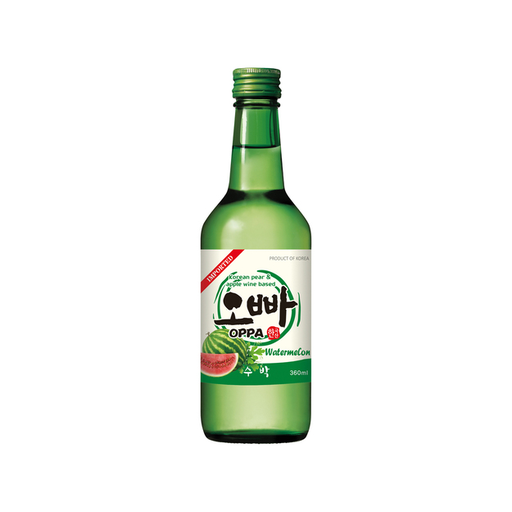
Why this fits the profile: A 360 ml bottle at 12% alcohol is straightforward for anyone trying flavoured soju for the first time. The watermelon flavour suits those who enjoy sweet, fruity drinks.
The alcohol percentage and bottle volume are clearly stated. The ingredients list includes concentrated watermelon juice and apple and pear products, among other things.
12% alcohol, 360 ml volume and a recognisable fruity taste. According to the product information, the drink contains 76 kcal per 100 ml.
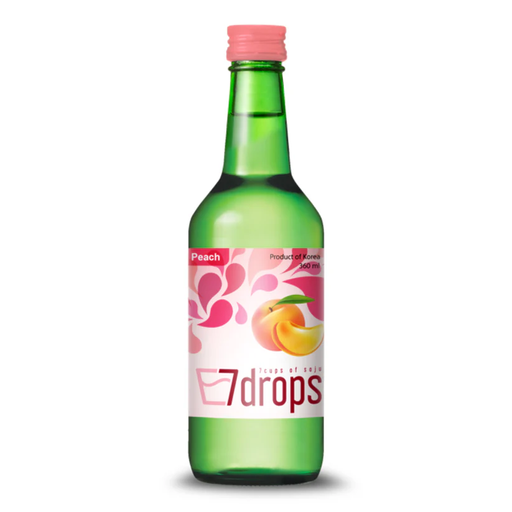
Why this fits the profile: Ideal for anyone looking for a fruity peach-flavoured soju for a dinner party, drinks gathering or serving chilled.
The product information lists 12% alcohol, 360 ml, peach juice and 93 kcal per 100 ml. This allows you to check the flavour and nutritional details.
Korean origin, 12% alcohol and a clear ingredients list with no declared allergens according to the product description.
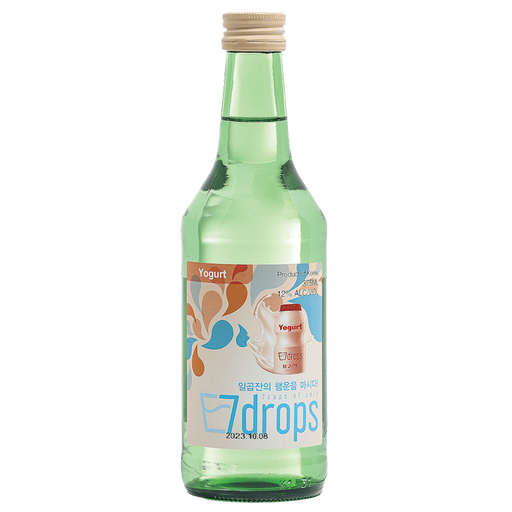
Why this fits the profile: For anyone looking for something different from standard fruit soju: the combination of soju with a yoghurt-like flavour works well served chilled or in cocktails.
The product description explicitly mentions possible dairy and grain components. This prevents you from choosing a yoghurt variety without checking the allergen information.
12% alcohol, 360 ml volume and suitable for serving chilled or as a cocktail base.
We’ve put together a full, up-to-date list of products that fully meet these strict selection criteria and comply with current European safety regulations.
That depends on your preference. Peach soju, strawberry soju, watermelon and mango are fruity and sweet. Grape and yuzu can taste slightly fresher. If you want to try a creamy, slightly tangy flavour, look at yoghurt soju. Always check the alcohol percentage and the ingredients.
Serving it chilled is a practical choice. You can drink the bottle straight from the fridge, pour it over ice or use it in a cocktail. Bear in mind that adding soft drinks or juice changes the flavour, but doesn’t undo the total alcohol consumption.
Seal the bottle properly after use and follow the instructions on the packaging. Store the bottle in a cool place away from direct sunlight, and preferably in the fridge if recommended. After opening, the flavour and aroma may deteriorate, so consume the drink in good time and always check the label.
