
Vandaag of morgen in huis

Kwaliteit gegarandeerd

Welkomstaanbiedingen ontgrendelen: GRATIS bezorging | Tot 80% korting | Gratis 30 dagen JoyPlus-proefperiode
Download de app
If you want to buy Korean snacks, you will quickly find a wide range of gummies, biscuit sticks, jelly, mochi and ingredients for Korean dishes. The colourful packaging may make choosing seem easy, but important information is often printed in small text on the label. Especially when ordering online, it is wise to look beyond the flavour name, packaging and popular social media videos.
Mango, lychee and grapefruit sound appealing, but the amount of fruit concentrate varies considerably between products. For example, according to the product information, Cokoc Mega Trophy Gummies Mango contains 3.5% concentrated mango juice. In other sweets, the fruit flavour may come mainly from flavourings.
Therefore, check:
Cokoc Mega Trophy Gummies Mango also carries a warning about E110 and E102. According to the product listing, these colourings may have a negative effect on activity and attention in children. This is relevant information for families buying Korean sweets.
A product with a fruit or yoghurt flavour is not automatically vegan. Gummies regularly contain gelatine. For example, Cokoc Mega Trophy Gummies Mango lists beef gelatine as an ingredient. A product may also contain dairy, soya or other allergens.
When choosing halal Korean snacks and vegan Korean snacks, look for:
Lotte Pepero Almond & Chocolate is listed as halal-certified in the product information, but it does contain wheat, milk, soya and almonds. Halal suitability therefore does not automatically mean that a product is allergen-free or vegan.
Some konjac jelly products contain very little energy per 100 grams. This may be relevant for certain snacking occasions, but you should also check the sweeteners, serving size and usage instructions. Delief Konjac Jelly Mango lists sweeteners and a vegan formulation, among other ingredients. Jelly B Konjac Jelly Mango is also listed as halal-certified and gluten-free in the product information.
Do not treat a low nutritional value as a medical or health claim. It is still important to check the full label and serving information.
The ingredients list provides more information than the front of the packaging. If sugar or glucose syrup appears near the beginning, it makes up an important part of the product. Gelatine, pectin, carrageenan and various thickeners are also common in Korean gummies.
For people with allergies, the EU allergen information is a practical starting point. Pay particular attention to wheat, milk, soya, almonds, peanuts and sesame. If you are unsure about a specific formulation, the packaging takes precedence.
Always compare products on the same basis. A small bag of Pepero may seem light, while a larger bag of Choco Pie is intended for sharing. Lotte Pepero Almond & Chocolate lists 530 kcal, 29 grams of fat and 29 grams of sugars per 100 grams. Orion Choco Pie lists 440 kcal and 34.9 grams of sugar per 100 grams.
This does not automatically make one choice good or bad. It does, however, help you compare serving sizes and purchase quantities more realistically.
A 40 to 80-gram bag is convenient for eating on the go or trying in a first order. Larger packs are more suitable for sharing or stocking up, but check the shelf life and storage instructions after opening.
Korean rice cakes involve a different choice from Korean sweets. A+ Chopped Rice Cake (Teokboki) is a 500-gram pack with rice as its main ingredient and is intended to be prepared with ingredients such as gochujang, sugar, fish cakes and vegetables. It is not a ready-to-eat snack, but a base for a meal or snack dish.

Why it suits this profile: The 60-gram bag is an easy way to try Korean gummies in a playful, peelable format.
The product information states the fruit concentrates and a nutritional value of 347 kcal and 45.9 grams of sugars per 100 grams, so you do not have to rely on the fruit flavour alone.
60 grams, mixed fruit flavours and none of the 14 main EU allergens according to the product listing.
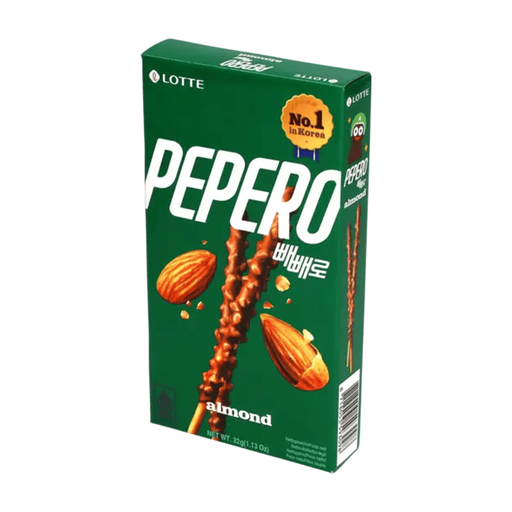
Why it suits this profile: This compact Korean snack combines crisp biscuit with chocolate and almonds, making it suitable for sharing or giving as a gift.
The product information explicitly mentions halal certification as well as the allergens present, including wheat, milk, soya and almonds.
32 grams, halal-certified according to the product information, with a clear combination of biscuit, chocolate and almonds.
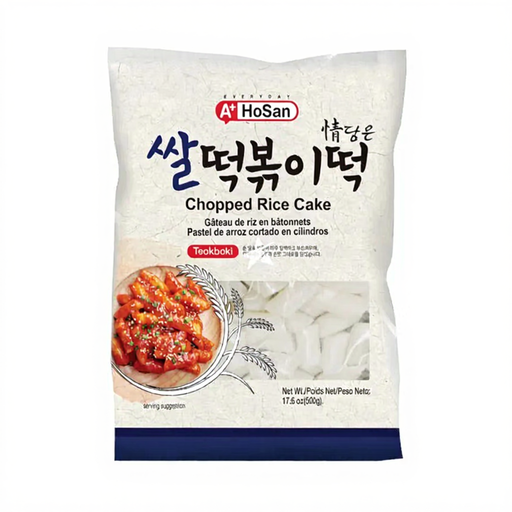
Why it suits this profile: This size is intended for people who want to prepare tteokbokki themselves and regularly make Korean dishes, rather than simply trying sweets.
The product page makes it clear that these are rice cakes for cooking, not ready-to-eat Korean sweets. The instructions mention rinsing and boiling.
500 grams, 98.9% rice according to the ingredients list, and none of the 14 main EU allergens according to the product information.
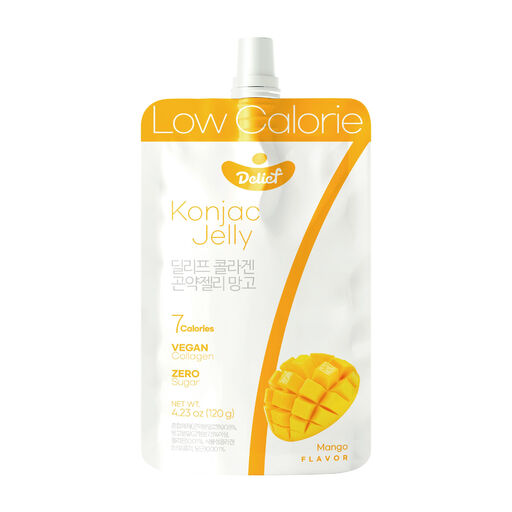
Why it suits this profile: The individual pack and mango flavour are ideal for anyone looking for vegan Korean snacks with a soft jelly texture.
The product description states that it has a plant-based formulation and contains 4 kcal and 0 grams of sugar per 100 grams. If you have allergies, always check the current label.
120 grams, mango flavouring and a vegan konjac jelly according to the supplied product information.
We have put together a complete, up-to-date list of products that fully meet these strict selection criteria and the applicable European safety regulations.
First check the ingredients, source of the gelatine, allergens and warnings about colourings. Then compare the nutritional value per 100 grams. A playful shape or fruit flavour does not tell you how much fruit or sugar the product contains.
Not exactly. Konjac jelly uses konjac powder or a konjac mixture to create its texture. Other Korean jelly products may contain gelatine, pectin or carrageenan, for example. Therefore, check the ingredients list if you want to order vegan or halal products.
The shelf life is stated on the packaging. Store dry snacks in a cool, dry place, away from direct sunlight and moisture. Seal opened packaging securely. Konjac jelly may have different storage instructions after opening; follow the guidance provided for the individual product.
By checking ingredients, allergens, nutritional value and size, you can avoid the most common disappointing purchases. This makes ordering Korean snacks online easier and helps you choose more confidently between sweets, jelly, Pepero, mochi and ingredients for Korean dishes.
